Fall Face-Framing Haircuts 2026: 17 Flattering Cuts for Every Length

Fall face-framing haircuts show how a small change around the face can transform an entire haircut without requiring you to sacrifice your favourite length. For fall 2026, face-framing haircuts are all about softly sculpted layers, natural movement, and carefully chosen starting points around the cheekbones, jawline, and chin. These details give hair more shape while keeping the overall cut wearable and adaptable to different personal styles.
Unlike traditional layers that run throughout the entire head, face-framing layers concentrate attention around the front. Shorter pieces can add definition near the cheekbones, chin-length sections can create a softer outline, and longer layers can connect the front with the rest of the hair. The best placement depends on your face shape, hair texture, density, and how you prefer to style your hair.
For fall, the idea is not to follow rigid beauty rules. Oval, round, square, heart-shaped, and longer faces can all wear face-framing layers, but adjusting the length and volume can create different effects. From short bobs to flowing long hair, these 17 haircut ideas explore flattering shapes for different face proportions and hair lengths. For longer cuts, see our fall U-shaped haircuts and fall V-cut haircuts.
1. Cheekbone-Framing Layers for Oval Faces
Oval faces can accommodate many face-framing styles, making cheekbone-length layers a beautiful option for adding definition without changing the overall proportions dramatically. The shortest front pieces begin around the cheekbones and sweep into longer sections that blend with the rest of the haircut. This creates movement around the centre of the face while allowing the hair to remain long, medium-length, or softly layered.

For a polished finish, ask your stylist for curved, blended pieces rather than a sharply disconnected front section. A centre part can highlight the symmetry of the cut, while a side part adds a little more movement. These layers work particularly well with a blowout, loose waves, or natural texture. If your hair is fine, preserve enough fullness at the ends; thicker hair can support more pronounced framing.
2. Long Face-Framing Layers for Round Faces
For round faces, longer face-framing layers can create a more elongated visual line without hiding the cheeks completely. Instead of placing the shortest pieces directly at the widest part of the face, the stylist can begin the main framing below the cheekbones and continue toward the jaw or collarbone. The longer lines help the hair fall vertically around the face while maintaining movement through the sides.

This look is especially versatile on medium-to-long hair. Ask for a gradual transition between the front pieces and the longer lengths so the cut looks natural when worn straight or waved. A soft side part can introduce asymmetry, while a little lift at the crown adds dimension. These are styling options rather than strict rules: the best starting point is the length and shape you personally enjoy.
3. Soft Jaw-Length Layers for Square Faces
Square faces often have a more defined jawline, and soft jaw-length layers can introduce movement around that area without making the haircut look severe. The front pieces are cut to curve around the jaw rather than ending in a blunt, horizontal line. Blended layers above and below the jaw help the hair move naturally, creating a softer outline while preserving the haircut’s overall structure.
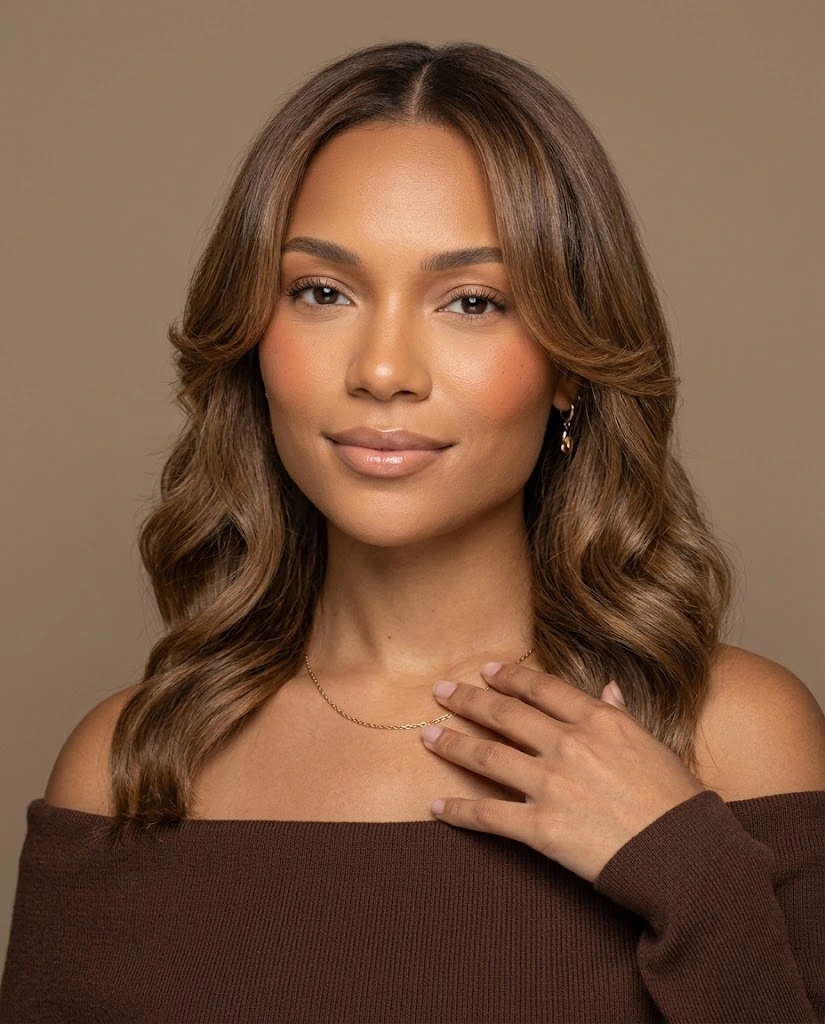
This technique works well with medium-length hair, long bobs, and longer layered cuts. Ask your stylist to avoid an overly rigid line if you prefer a softer appearance, and discuss whether the shortest pieces should sit just above or below the jaw. Gentle waves can enhance the movement, but straight styling also looks attractive when the layers are well blended. The aim is to complement your features, not conceal them.
4. Chin-Length Face-Framing Layers for Heart-Shaped Faces
Heart-shaped faces often have a broader forehead and a narrower chin, so chin-length face-framing layers can introduce visual interest around the lower part of the face. The shorter front sections begin around the chin and gradually connect with longer lengths, creating a fuller-looking outline near the jaw. This shape can feel especially balanced when the upper layers remain soft rather than excessively voluminous.

Ask your stylist for front pieces that curve gently toward the chin, with a smooth transition into the sides. Curtain bangs can be added if you enjoy fringe, but they are not essential to the look. This cut suits medium and long hair, particularly when the ends retain enough weight to move together. Soft bends through the lower lengths can emphasise the shape without making the hairstyle look overly styled.
5. Cheekbone Layers for Long or Oblong Faces
For longer faces, face-framing layers that begin around the cheekbones can create movement across the sides instead of drawing all the attention downward. The shorter pieces can be shaped to sweep outward, while the remaining layers continue into medium or long lengths. This placement adds visual width around the middle of the face and creates a more balanced silhouette without requiring a short haircut.

A stylist can customise the framing by adjusting the angle of the pieces and the amount of volume around the sides. Soft curtain fringe or a side-swept front section can also work well if you want more coverage around the forehead. Avoid treating face shape as a strict formula: your hair texture, preferred parting, and styling habits should guide the final decision. The best cut is one that feels comfortable and natural on you.
6. Jaw-and-Cheekbone Layers for Diamond Faces
Diamond-shaped faces often feature prominent cheekbones with a narrower forehead and chin. Face-framing layers that move from the cheekbones toward the jaw can help create a softer connection between these areas. The stylist can leave the cheekbone section relatively light and allow the lower pieces to develop a little more fullness, producing a balanced shape that still showcases the face’s natural structure.
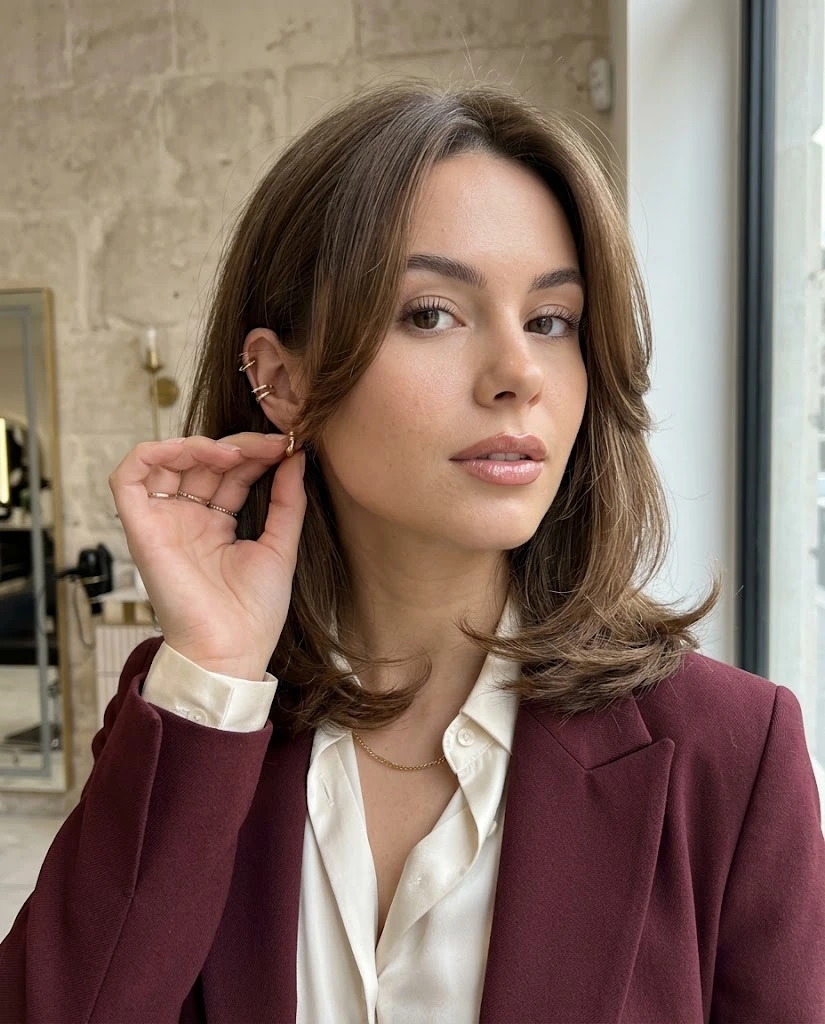
This cut can be adapted to long hair, a collarbone-length style, or a layered lob. Ask for blended sections rather than a strong, blunt frame, especially if you want the hair to move freely when tucked behind the ears. A gentle blowout can make the front pieces curve away from the face, while natural waves create a more relaxed finish. The placement should follow your individual features rather than relying on a face-shape label alone.
7. Chin-Length Layers for Short Bobs
Short bobs can benefit from carefully placed face-framing layers that add movement without disrupting the overall shape. In this version, the front pieces sit around the chin, creating a soft outline that connects with the sides of the bob. The back can remain relatively compact, while the front receives enough graduation to avoid a completely uniform shape.

If you prefer a sleek bob, ask for minimal, precisely placed front layers that do not make the ends look thin. For a more textured finish, your stylist can add gentle separation around the jaw and cheekbones. The cut can be worn straight, tucked behind one ear, or styled with a slight bend at the ends. Because shorter hair reveals the cutting lines clearly, a personalised consultation is especially useful before deciding exactly where the front pieces should fall.
8. Cheekbone-Framing Layers for a Textured Lob
A textured lob is a great option if you want a medium-short haircut with visible movement around the face. The front layers begin near the cheekbones and gradually blend toward the shoulders, while the overall length remains around the collarbone or just above it. Light texture through the ends keeps the cut from feeling too heavy, but the perimeter should still retain enough fullness to look intentional.
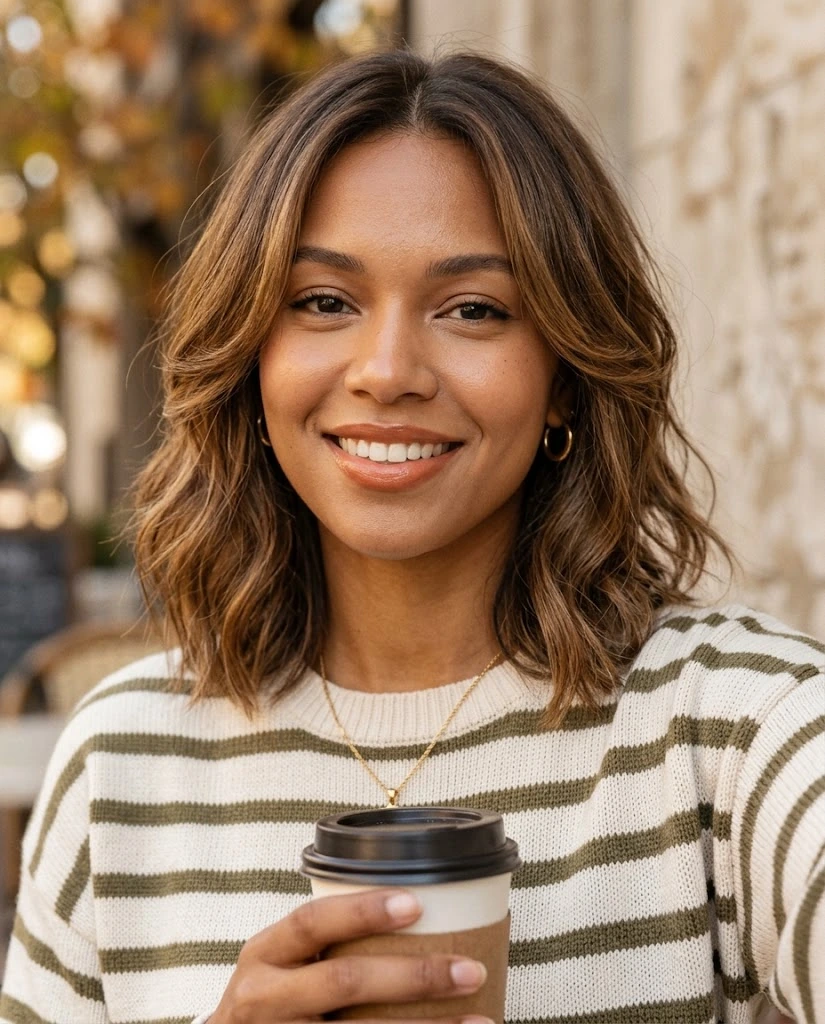
This style suits straight, wavy, and slightly curly hair, provided the layering is adjusted to the natural texture. Ask your stylist for soft, connected front pieces instead of a sharply separated fringe. A centre part creates a balanced finish, while a side part adds a little asymmetry. For everyday styling, a small amount of lightweight cream can define the layers without making the hair feel stiff or weighed down.
9. Collarbone Face-Framing Layers for Medium Hair
Collarbone-length hair offers a versatile base for face-framing layers because there is enough length for the front pieces to blend smoothly into the sides. In this cut, the shortest sections begin around the jaw or chin, then lengthen toward the collarbone. The rest of the hair retains a soft outline, giving the haircut movement around the face without requiring extensive layers throughout the back.

This is a useful choice if you want a fresh seasonal cut that remains easy to tie back. Ask your stylist to consider how the layers will sit when your hair is air-dried, particularly if your natural texture creates bends around the jaw. A round brush can add a curved finish, while loose waves make the layers appear more relaxed. The result is a practical medium haircut with enough shape to feel different from a one-length style.
10. Long Butterfly-Inspired Face-Framing Layers
Butterfly-inspired face framing combines shorter upper layers with long, flowing lengths underneath. The front pieces often begin around the cheekbones or jaw, then sweep outward into longer sections that connect with the shoulders and beyond. This creates a noticeable frame around the face while allowing the back to retain its length and fullness.
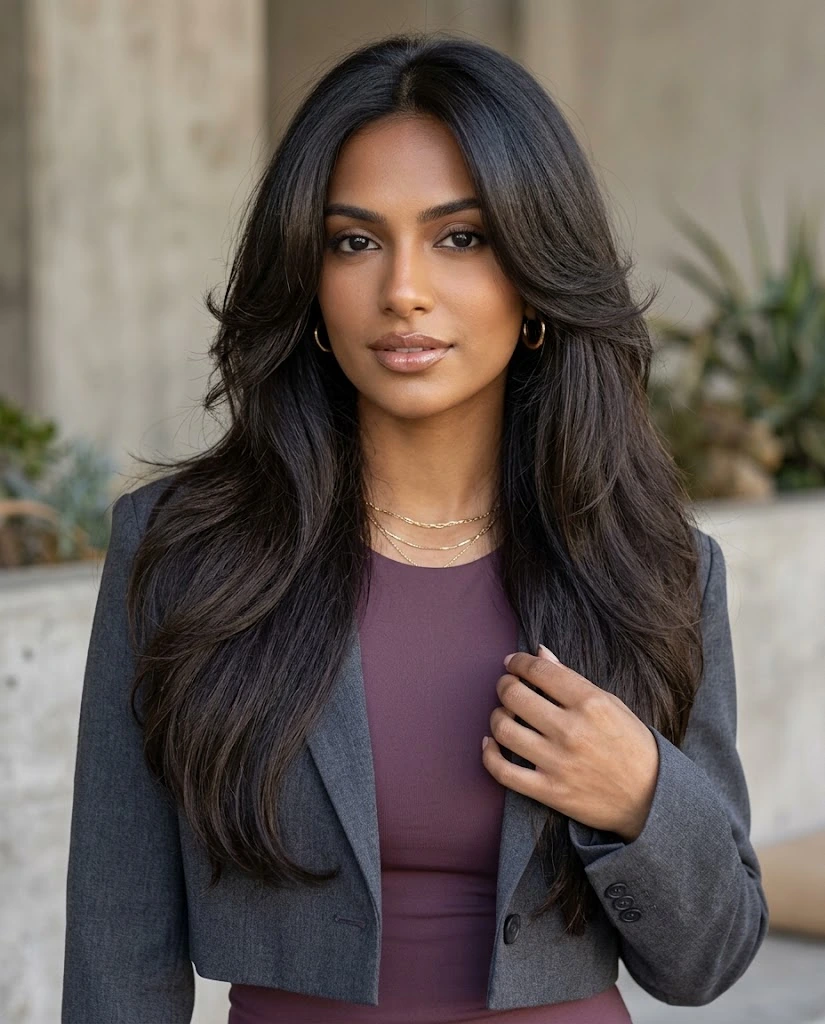
The key is controlling the difference between the shorter front and the longest sections. Ask your stylist for a gradual transition that suits your hair density, rather than extremely short layers that may require more daily styling. Fine hair often benefits from fewer, more strategic layers, while thick hair can support a stronger shape. A round-brush blowout emphasises the butterfly effect, but a softer natural finish can look equally attractive.
11. Long Layers Starting Below the Chin
If you love long hair but prefer subtle framing, starting the shortest pieces below the chin creates a gentle, elongated shape. The front sections blend gradually into the lower lengths, adding movement without drawing a strong line across the cheeks or jaw. This is one of the most understated face-framing techniques because the layers are visible when the hair moves but do not dominate the overall haircut.
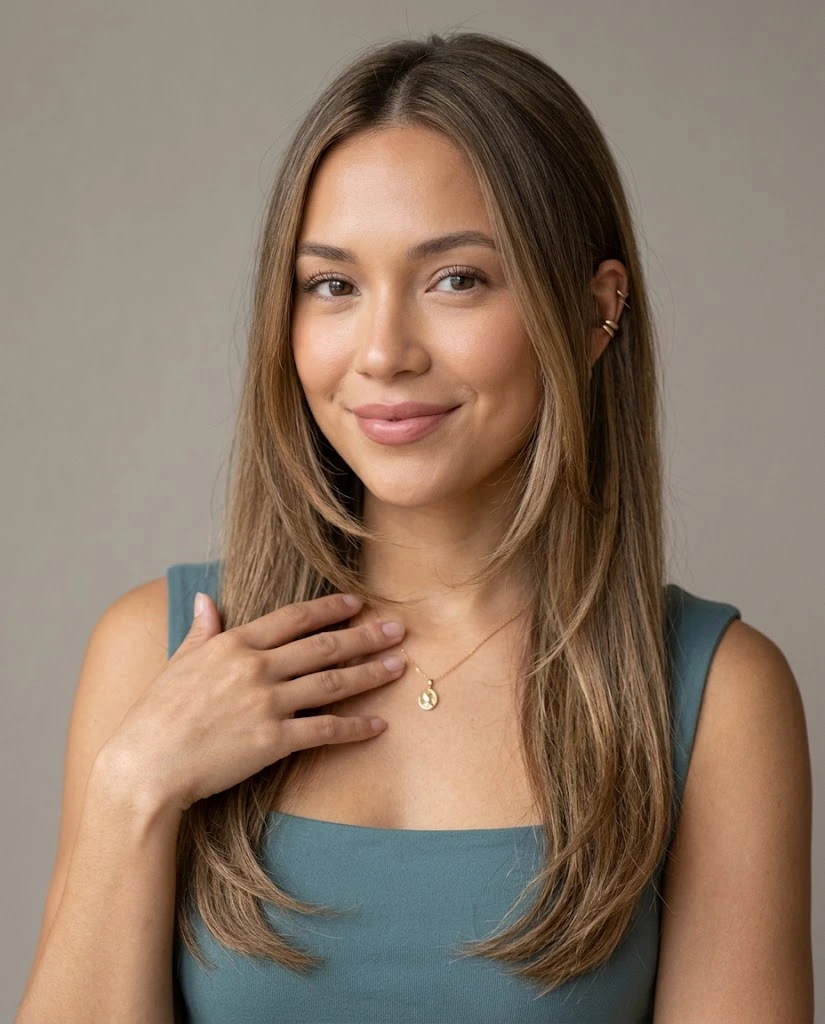
This style is particularly practical for people who frequently wear ponytails, braids, or half-up hairstyles. Ask your stylist to keep the front pieces long enough to tuck away comfortably and preserve fullness through the ends. The cut works with straight hair and loose waves, and it can grow out without an abrupt change in shape. It is a good choice when you want a refresh rather than a dramatic transformation.
12. Face-Framing Layers With Curtain Bangs
Curtain bangs and face-framing layers work together to create a continuous curve from the forehead to the sides of the hair. The fringe parts around the centre and gradually lengthens toward the temples, where it blends into cheekbone- or jaw-level layers. The result feels soft and connected, rather than having a fringe that appears separate from the rest of the haircut.

You can customise this combination by choosing a shorter curtain fringe for a more noticeable change or a longer version for easier maintenance. Ask your stylist to connect the outer fringe pieces with the front layers so the cut remains cohesive as the bangs grow. A round brush can encourage the fringe to sweep away from the face, while a loose, natural finish keeps it relaxed. This technique works on many lengths, from a lob to long layered hair.
13. Face-Framing Layers for Fine Hair
Fine hair often benefits from face-framing layers that add shape without removing too much fullness. This version concentrates the shortest pieces around the front while leaving most of the back relatively solid. The layers can begin near the chin or cheekbones, depending on your preferred look, but the transition should be gentle so the ends do not appear sparse.

Tell your stylist if your hair tends to fall flat or if you prefer a fuller outline. Rather than adding many short layers throughout the head, ask for a few carefully placed front sections that move easily. Lightweight styling products can help lift the roots without weighing down the lengths. This cut can be worn straight for a clean finish or styled with loose bends to reveal the front layers while preserving the appearance of density.
14. Face-Framing Layers for Thick Hair
Thick hair can support more defined face-framing layers, especially when the stylist balances the front pieces with the weight of the remaining lengths. Layers around the cheekbones, jaw, and chin help the front move independently, while internal shaping can reduce bulk behind the face frame. The goal is to create a connected silhouette rather than removing so much weight that the ends become uneven.
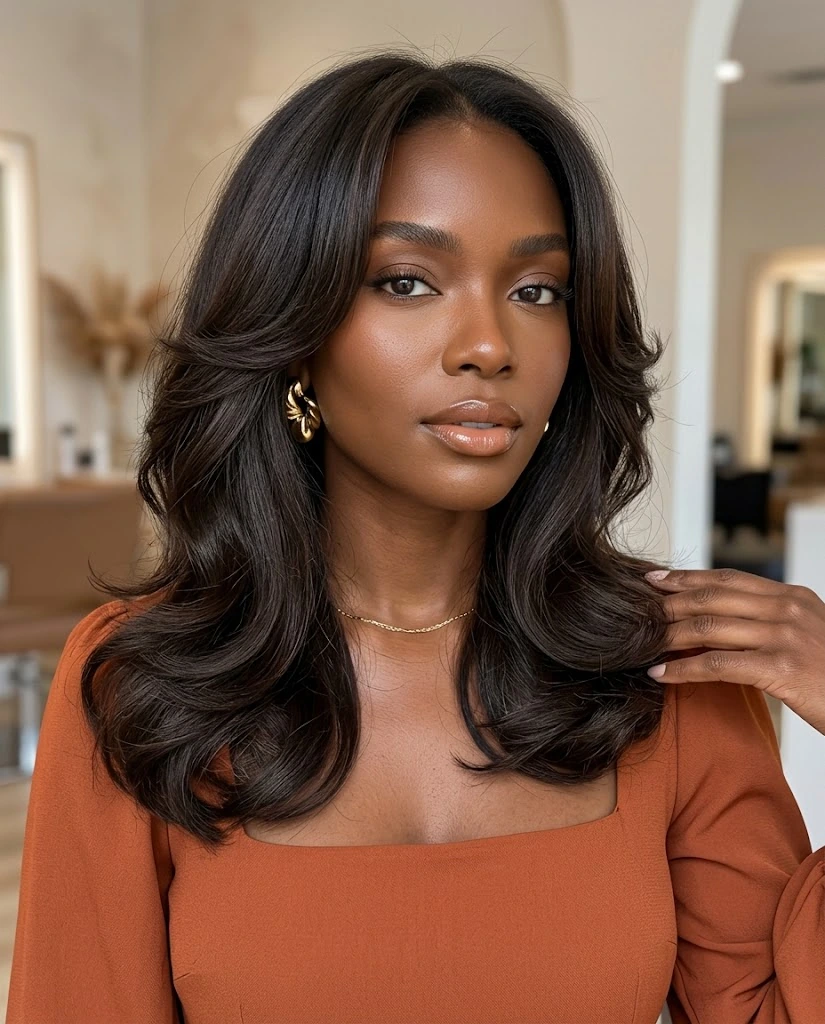
Discuss your preferred amount of movement before the cut begins. If you want a smooth, polished finish, the layers can be blended more closely; if you prefer a relaxed, textured look, the front sections can have a more visible separation. Ask your stylist to avoid unnecessary thinning throughout the ends. With thoughtful shaping, thick hair can look lighter around the face while maintaining its natural fullness.
15. Face-Framing Layers for Naturally Wavy Hair
Natural waves add softness to face-framing layers, making the pieces around the cheekbones and jaw appear relaxed rather than sharply defined. This cut uses blended front sections that follow the direction of the wave, while longer layers maintain movement through the rest of the hair. The shortest pieces should be chosen carefully because waves can spring upward when dry and appear shorter than expected.

Before your appointment, explain how your hair behaves after washing and whether you usually air-dry or use heat tools. A stylist can adjust the placement to work with your natural pattern. A lightweight mousse or wave cream helps define the texture without making it crunchy. This cut looks attractive with a natural centre part, but a side part can also create an easy, slightly asymmetrical finish.
16. Face-Framing Layers for Naturally Curly Hair
Curly hair needs face-framing layers that respect curl shrinkage and the way individual curls form. The front pieces can be shaped around the cheekbones or jaw, while longer sections provide balance through the sides and back. Instead of forcing the curls into a smooth outline, the cut should encourage them to form a natural frame that works with their spring and volume.
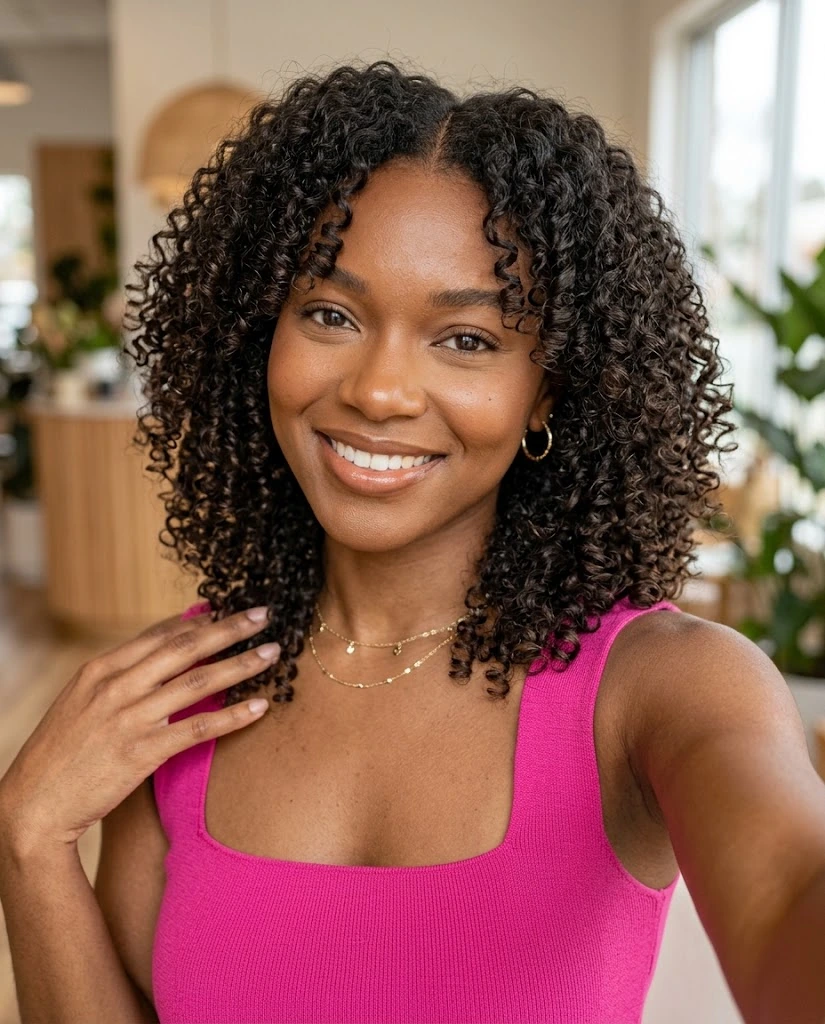
A stylist experienced with curly hair can help determine where the shortest pieces should fall when dry. Discuss your usual curl routine and how much volume you prefer around the face before deciding on the final shape. Moisturising leave-in products and curl cream can support definition, while gentle diffusing helps preserve the layers. The result should feel shaped but not overly controlled, allowing your curls to remain the central feature of the haircut.
17. Face-Framing Layers With a Deep Side Part
A deep side part changes the way face-framing layers fall, creating a diagonal sweep across the front and extra fullness on one side. The shorter pieces can begin around the cheekbone and gradually lengthen toward the jaw and shoulders. This gives the haircut a more directional shape without requiring bangs or a major change in overall length.
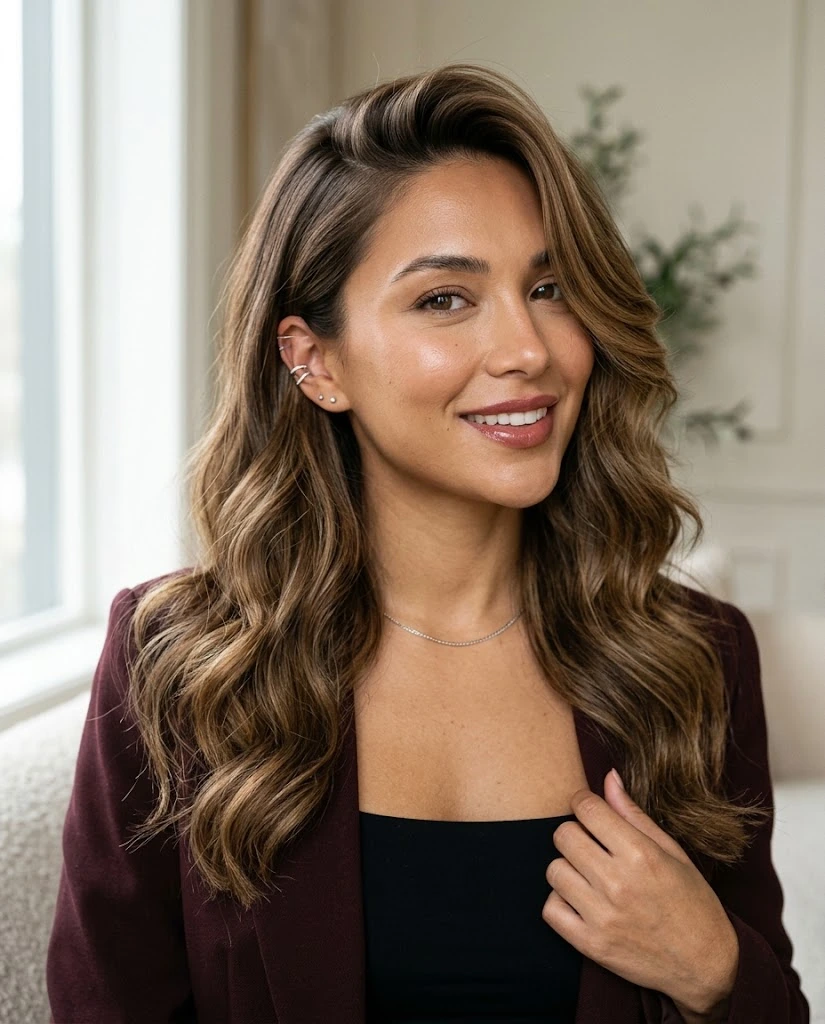
If you usually wear a side part, ask your stylist to cut the front pieces with that placement in mind. This helps the layers fall naturally instead of fighting your usual styling direction. The look works on medium and long hair and can be worn smooth for a polished finish or loosely waved for added movement. If you sometimes switch to a centre part, mention that before the appointment so the cut remains versatile from both directions.
How to Choose Your Most Flattering Face-Framing Haircut
Start by considering where you want the shortest pieces to fall: around the cheekbones for visible movement, near the jaw for a more defined frame, or below the chin for a subtle effect. Then think about your overall hair length and natural texture. Fine hair may need fewer layers to preserve fullness, while thick hair can often support more shaping. Waves and curls also need room to spring naturally, so the dry result should be considered before choosing the final length.
Bring reference photos to your stylist and explain what you like about each haircut, rather than asking for an exact copy. Discuss your usual parting, whether you wear your hair up, and how much time you want to spend styling the front pieces. Face-shape guidance can help you explore options, but it should not be treated as a strict set of rules. Your preferred look, hair behaviour, and comfort matter just as much. For soft fringe ideas, try our fall haircuts with wispy bangs.
Final Thoughts
Fall face-framing haircuts for 2026 offer an easy way to refresh your appearance while keeping the length and texture you love. From cheekbone-framing layers and chin-length pieces to long butterfly-inspired shapes and curly face frames, each technique creates a different effect. The right placement can add movement, soften the outline, or give a simple haircut a more intentional shape.
Choose a cut that works with your face proportions, natural texture, and everyday routine. You do not need dramatic layers to make a difference; sometimes a few carefully placed pieces around the face are enough to make your haircut feel fresh. With a personalised approach, face-framing layers can be versatile, flattering, and easy to wear throughout fall. For more cut ideas, explore our fall butterfly haircuts and fall haircuts for women, or browse the full fall hairstyles roundup. For haircuts by face shape, see our fall haircuts for oval faces and fall haircuts for women with high foreheads.