Fall ’90s Layered Haircuts 2026: 20 Bouncy, Face-Framing Styles

There is something timeless about a haircut that moves beautifully, frames the face, and makes long hair look full of life. Fall 90s layered haircuts for 2026 are bringing back that signature combination of rounded volume, sweeping front pieces, feathered ends, and soft supermodel-inspired movement. The modern version feels more flexible than the heavily styled looks of the past, with layers designed to complement natural texture as well as a classic blowout.
What makes ’90s layering distinctive is the way the hair is shaped around the face and through the lengths. Instead of simply adding random layers, a stylist creates connected sections that build volume around the crown, curve around the cheekbones, and flow into longer pieces. The result can be glamorous and bouncy, softly feathered, or relaxed enough for everyday wear.
The best part is that this haircut can be adapted to different lengths, hair densities, and styling preferences. You can choose dramatic face-framing layers, a softer long-layered shape, or a shoulder-skimming cut with flipped ends. These 20 ideas focus on the cutting techniques that make each look different, so you can find a fresh autumn style without relying on a new hair colour. For airy, lifted layers, see our fall butterfly haircuts.
1. Classic ’90s Supermodel Layers
Classic ’90s supermodel layers are all about fullness, movement, and a beautifully rounded silhouette. The haircut features shorter sections around the face and upper lengths, gradually connecting with longer layers underneath. The front pieces curve away from the cheeks, while the crown is shaped to encourage lift. The ends remain substantial enough to create that recognisable, bouncy finish rather than looking thin or excessively choppy.
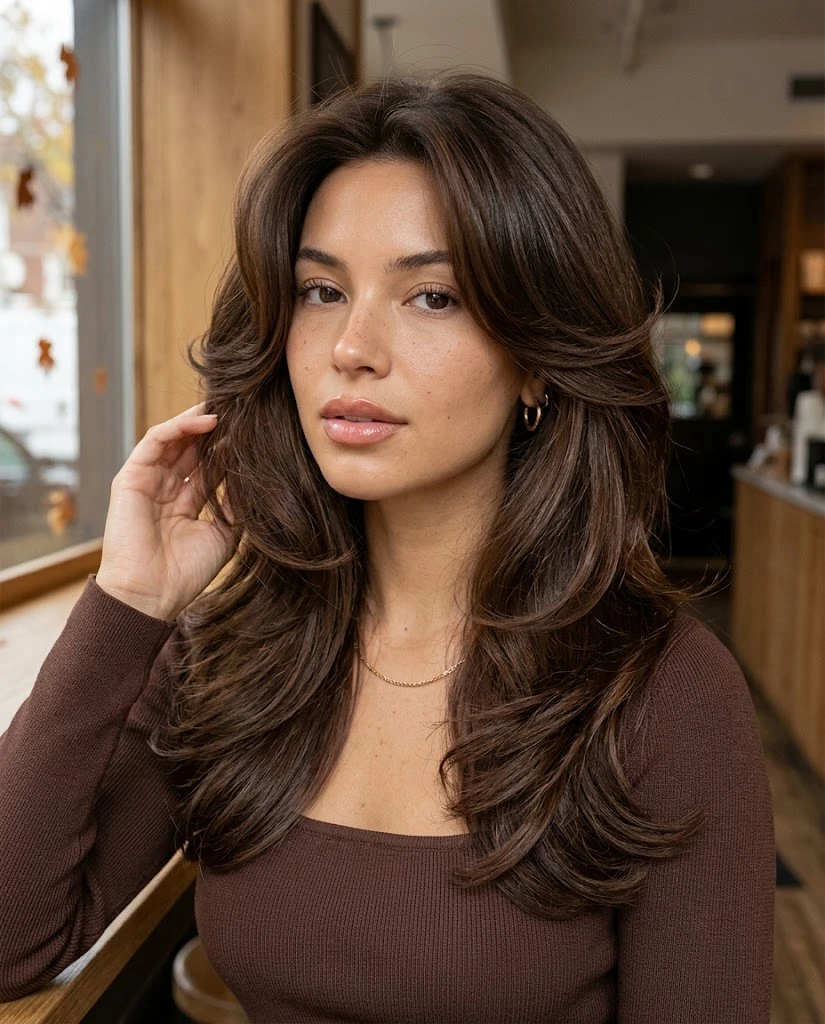
This cut is ideal if you love glamorous hair but still want to preserve your length. Ask your stylist for blended layers that begin around the face and continue through the lengths, with enough weight left at the bottom to maintain fullness. A round-brush blowout can emphasise the shape, but the cut should also fall naturally without obvious steps. The result feels polished, timeless, and especially beautiful with a soft autumn wardrobe.
2. Cheekbone-Framing ’90s Layers
Cheekbone-framing layers place the shortest front sections around the cheekbones, creating a defined curve that flows into the rest of the haircut. The front is shaped diagonally rather than cut into a blunt line, allowing the pieces to sweep outward and blend with longer layers. This placement gives the hairstyle a more sculpted appearance while keeping the overall length long and flowing.
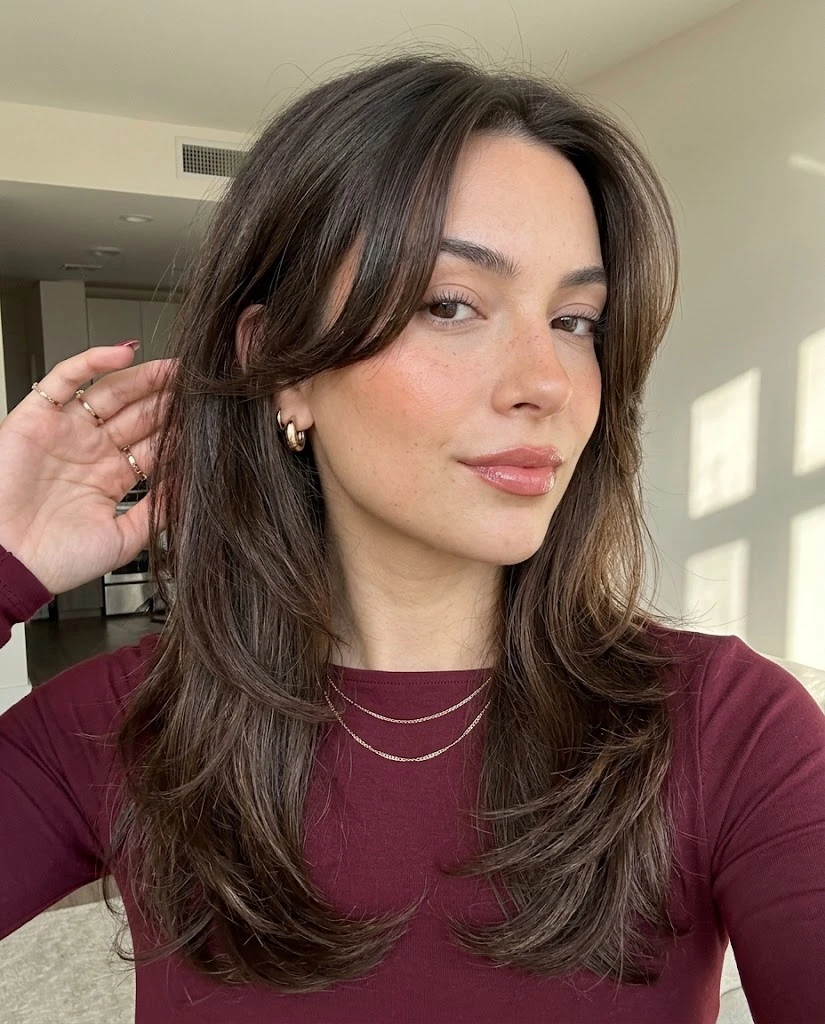
If you want your haircut to have more personality around the face, this is a strong option. Ask your stylist to customise the starting point of the layers rather than copying a reference photo exactly, since natural parting and hair density affect how the pieces sit. The surrounding lengths should connect smoothly with the shorter sections. Style the front away from the face for a classic ’90s finish, or leave it softer for a more relaxed everyday look.
3. Long ’90s Layers With Feathered Ends
Feathered ends create the soft, airy movement associated with many iconic ’90s hairstyles. Instead of allowing the hair to finish in one heavy line, the stylist shapes the ends so that individual sections can curve and separate. The upper layers add movement through the lengths, while the feathering helps the overall silhouette feel lighter without requiring a dramatically shorter haircut.

This look works especially well for long hair that feels heavy or lacks visible movement. However, feathering should be adjusted to your hair density: fine hair usually needs a more conservative approach, while thicker hair can often support more texture. Ask for soft, blended ends rather than excessive thinning. A round brush or large rollers can create the signature outward bend, but the haircut should retain a smooth, connected outline when styled more simply.
4. The ’90s Curtain-Layer Cut
The ’90s curtain-layer cut combines a centre-parted fringe with longer face-framing sections that gradually merge into the sides. The shortest pieces sit around the forehead and temples, while the following layers extend toward the cheekbones, jaw, and lower lengths. This creates a continuous frame rather than a fringe that appears separate from the rest of the haircut.
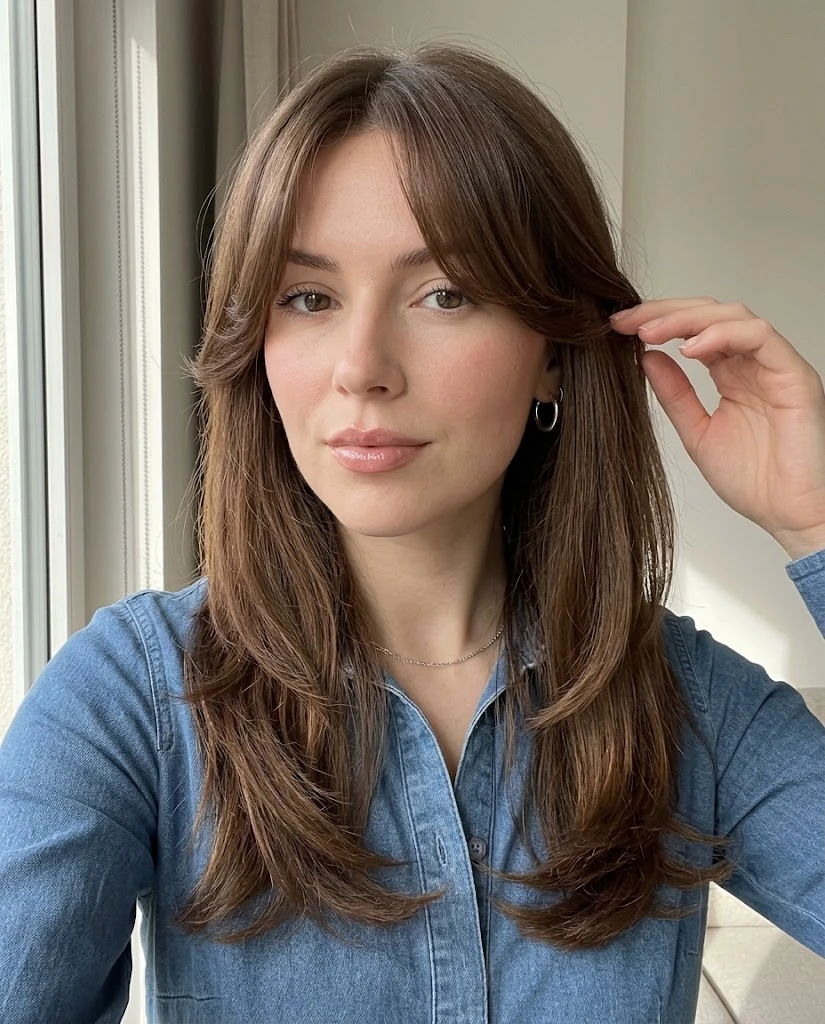
It is a versatile option if you want the softness of bangs without committing to a heavy, straight-across fringe. Ask for curtain pieces that can be pushed away from the face and blended into the longer layers. The exact fringe length should depend on how much forehead coverage you prefer and how your hair naturally falls. With a round brush, the front sections can develop a beautiful outward sweep, while air-drying produces a gentler, less structured effect.
5. The ’90s Bouncy Blowout Cut
The bouncy blowout cut is designed around layers that support a full, rounded finish. The upper sections are shaped to encourage lift, while the front pieces are graduated so they curve smoothly away from the face. Longer layers through the back help the hair move as one cohesive shape, preventing the volume from looking disconnected from the ends.

This is a great choice if you enjoy salon-style blowouts and want a haircut that enhances that finish. Explain to your stylist that you want movement and bounce rather than excessively short crown layers. The styling routine can include a lightweight mousse, a round brush, and rollers to help the hair cool in its curved shape. If you prefer lower-maintenance styling, ask for a softer version that still looks balanced when your hair is not fully blow-dried.
6. The Collarbone ’90s Layered Cut
A collarbone-length ’90s layered cut brings the decade’s signature movement into a shorter, more manageable shape. The overall length rests around the collarbone, while the front and upper layers create a rounded silhouette that moves outward. The ends can be softly feathered or kept slightly fuller, depending on whether you prefer a light, airy finish or a more substantial outline.
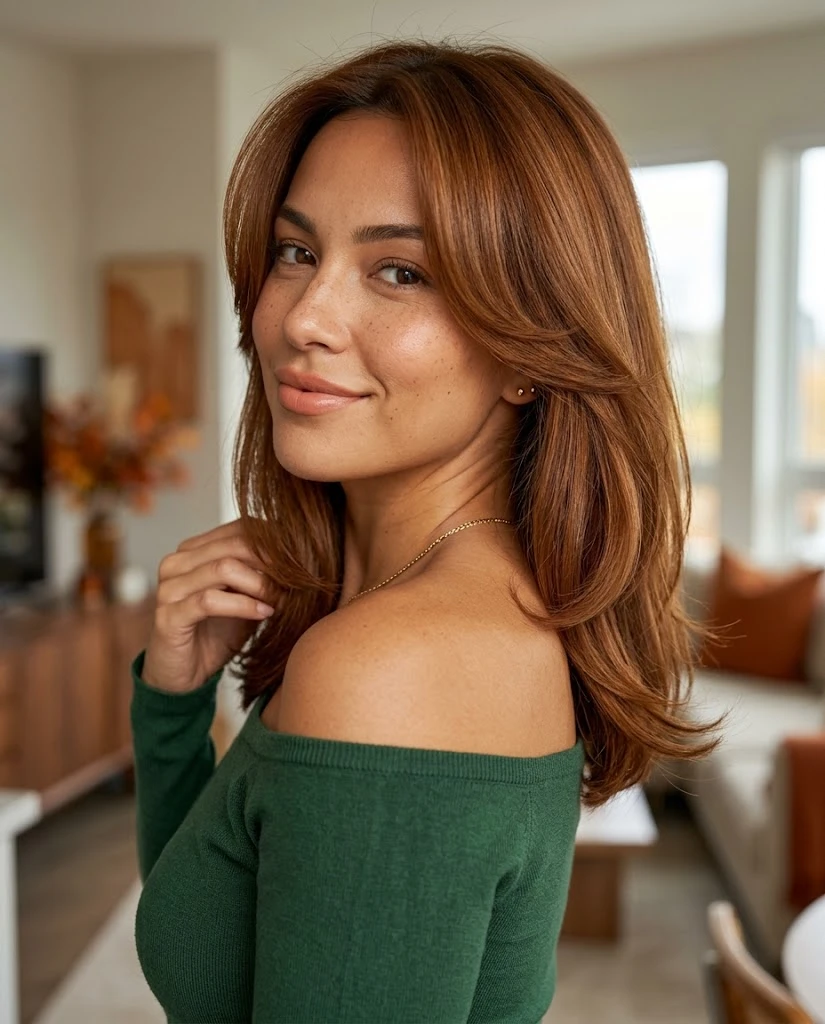
This haircut is ideal if you want to remove some length without losing the personality of a layered style. Ask your stylist to consider how the shortest sections will sit around your shoulders, because that area can influence whether the ends flip outward or turn inward. The face-framing layers should connect with the sides instead of forming an abrupt shelf. A simple blow-dry can create the classic bounce, while natural bends give the cut a more casual autumn feel.
7. ’90s Layers With a Deep Side Part
A deep side part gives traditional ’90s layers a more dramatic shape by shifting the volume toward one side. The front sections sweep diagonally across the face, while the fuller side creates height around the crown. The remaining layers follow the direction of the part and fall into longer, curved lengths, giving the haircut movement without changing its basic length.

This option works well if you like a little extra glamour or want an alternative to a centre part. Ask your stylist to shape the front around the part you actually wear, particularly if your hair has a strong natural growth pattern. That helps the layers sit naturally instead of constantly falling in the wrong direction. For styling, lift the roots on the fuller side and curve the ends gently away from the face. The result is elegant without needing elaborate curls.
8. The ’90s Layered Cut With Flipped Ends
Flipped ends give a layered haircut a playful, unmistakably retro finish. The layers are shaped so the lower sections can turn outward, especially around the shoulders and front of the face. Rather than cutting every section to the same length, the stylist creates a graduated shape that allows the ends to move independently while still maintaining a connected silhouette.

This style is particularly attractive on medium-to-long hair because the flipped sections are easy to see without overwhelming the overall cut. Ask for layers that support an outward bend, but avoid taking too much weight from the ends if you want the hair to look full. A round brush or large-barrel styling tool can emphasise the flip, and the direction can be varied from one section to another. Slightly imperfect bends make the finished look feel modern rather than like a costume from the past.
9. Soft ’90s Layers for Fine Hair
Fine hair can benefit from ’90s layering when the cut is planned to retain fullness. This version uses long, blended layers with modest face-framing pieces rather than lots of short sections throughout the head. The crown receives subtle shaping for lift, while the perimeter stays relatively solid. This creates movement without making the ends appear sparse or stringy.

Tell your stylist if your hair loses volume quickly or if you prefer a fuller-looking bottom edge. The best approach is usually to create shape through strategic placement instead of aggressive thinning. A lightweight volumising mousse can support the roots, and a gentle blowout can make the layers more visible. Avoid heavy styling creams that weigh down the hair. With the right balance, fine hair can achieve a bouncy, face-framing look while preserving its natural density.
10. ’90s Layers for Thick Hair
Thick hair can carry the fullness associated with ’90s layers, but it often needs thoughtful weight distribution to prevent the shape from becoming bulky. This cut uses more defined layers through the upper lengths and around the face, with selected internal shaping to help the hair move. The ends remain connected so the haircut looks intentionally layered rather than uneven or excessively thinned.

Ask your stylist to explain where bulk will be removed before cutting. Thick hair does not always need thinning everywhere; removing too much from the wrong areas can create frizz or leave the ends looking rough. The goal is to preserve a full silhouette while allowing the upper layers to lift and swing. A smoothing product can help manage the lengths, while a round-brush blowout brings out the classic curved shape around the face.
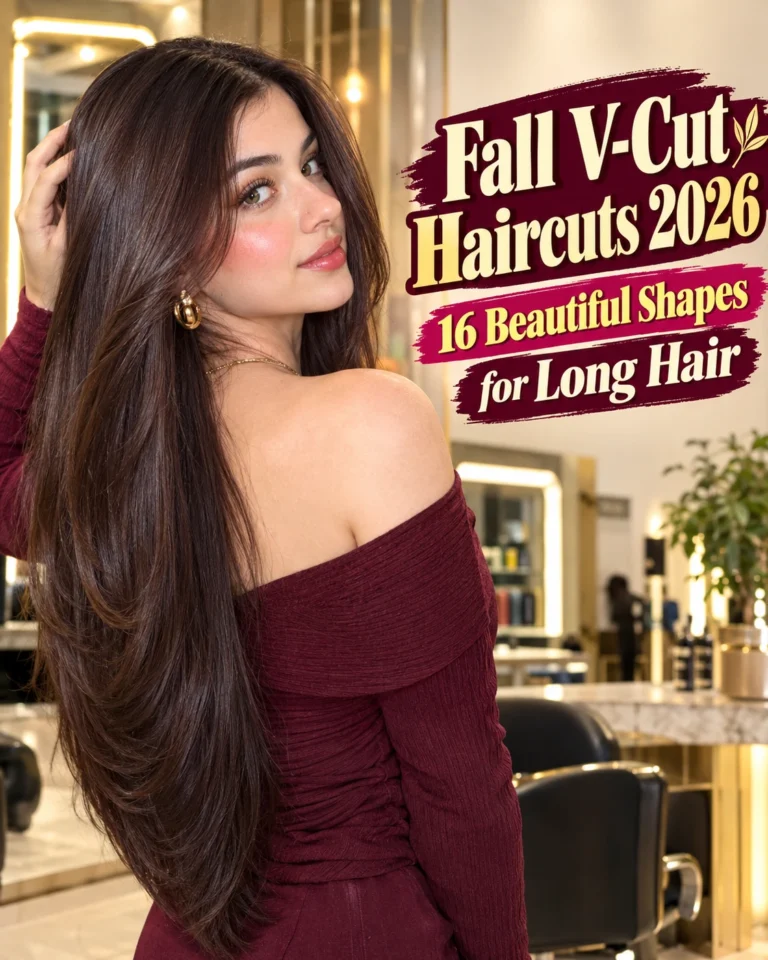
11. The ’90s Face-Framing V-Cut
The face-framing V-cut combines shorter front layers with a tapered back outline that forms a soft V. The hair gradually narrows toward the centre of the back, while the front sections create movement around the cheekbones and jaw. This produces a more defined silhouette than a rounded perimeter and works particularly well when you want the back of your long hair to have a visible shape.
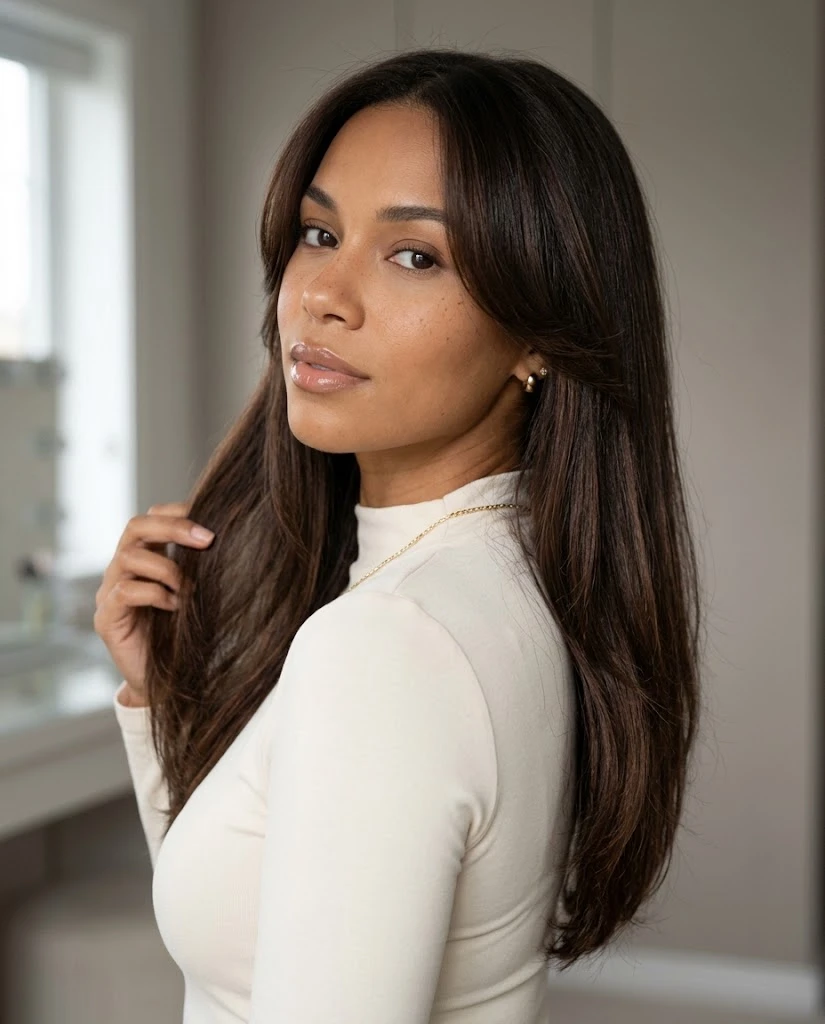
Before choosing this cut, consider how much fullness you want to retain at the ends. A pronounced V can make the longest sections appear more tapered, so a softer version may be better if your ends are fine. Ask for the face-framing pieces to blend into the longer back layers rather than ending abruptly. Styled with a bouncy blowout, the cut creates a flowing shape with a distinctly retro feel while keeping the face-framing details modern.
12. The Rounded ’90s Layered Cut
A rounded ’90s layered cut focuses on fullness through the sides and crown, creating a soft oval silhouette. The upper sections are shaped to lift gently, while the layers around the face curve inward or outward depending on the desired finish. The bottom remains blended into the overall shape, avoiding a harsh line between the shorter and longer sections.
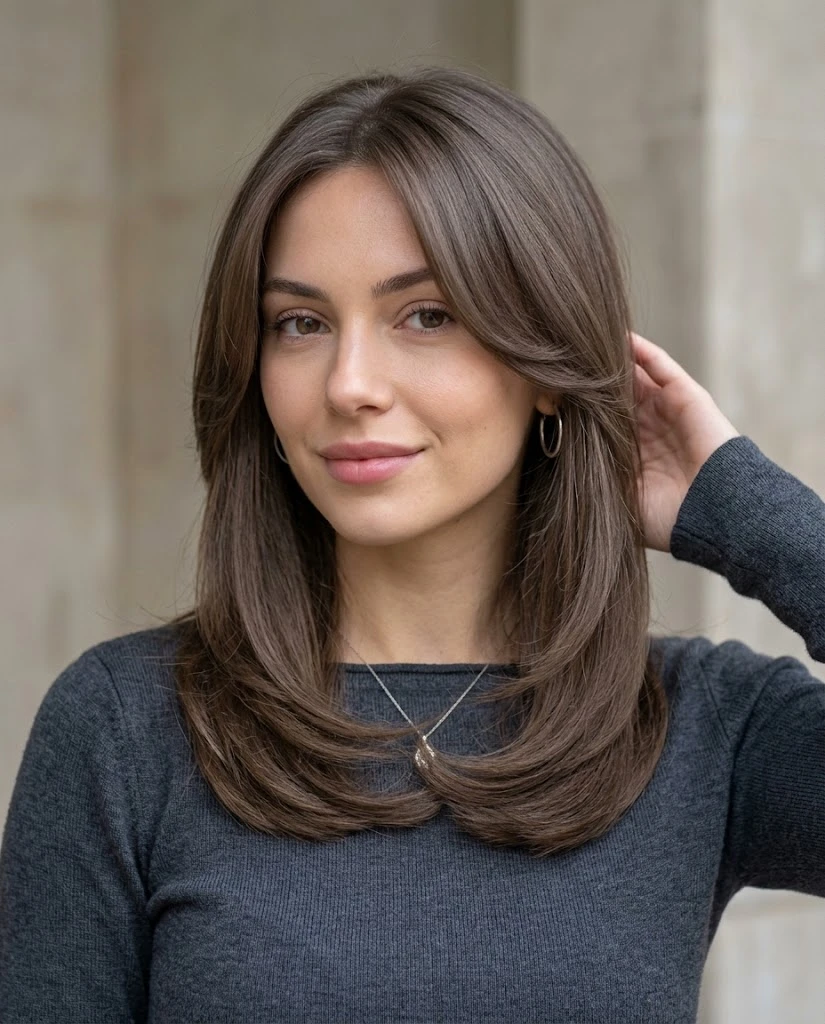
This haircut is a good choice if you like volume but do not want a highly dramatic or heavily feathered look. Your stylist can adjust the roundness according to your hair density and natural texture. Ask for connected layers that preserve enough weight around the perimeter, especially if you often wear your hair straight. A large round brush can create a smooth curve, while loose bends provide a more casual finish. The result is full, balanced, and easy to personalise.
13. ’90s Layers With Long Wispy Bangs
Long wispy bangs introduce a lighter front detail without taking attention away from the layered lengths. The fringe is cut into soft, separated pieces, with the outer sections gradually extending toward the temples. These pieces connect with the face-framing layers, allowing the front of the haircut to flow naturally into the sides rather than creating a blunt division.
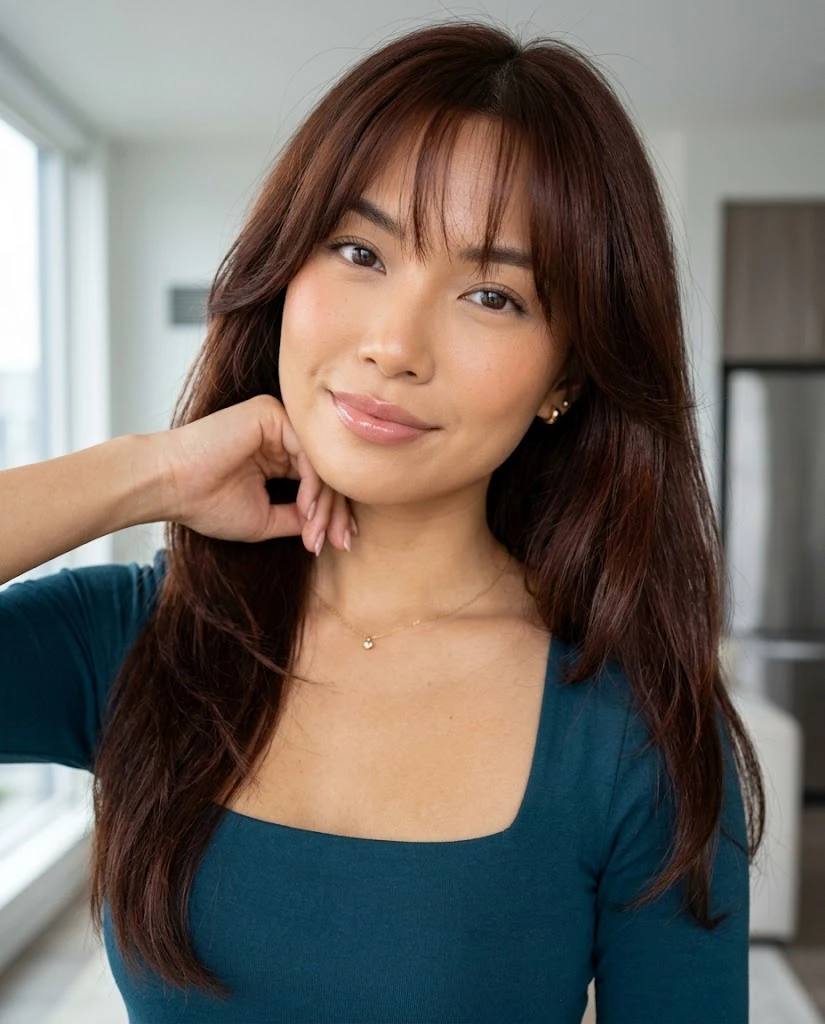
This look is ideal if you want a fringe that can be styled in several ways. It can be worn forward for a delicate frame, parted for a curtain effect, or swept to one side as it grows. Ask your stylist to tailor the fringe to your hairline and density, rather than making it too thin or too short. The longer surrounding layers help the haircut stay cohesive, while a small round brush can add the gentle curve that makes the style feel authentically ’90s.
14. The ’90s Layered Cut With a Soft U-Shape
A soft U-shaped perimeter gives long ’90s layers a rounded finish from the back. The centre sections remain longer, while the sides gradually become shorter, creating a curved outline rather than a straight edge or sharp point. Face-framing layers add movement at the front, and the longer back sections preserve the flowing appearance of the hair.

This is a useful option if you want the hair to look shaped from behind as well as around the face. Ask your stylist for a gentle U rather than an extreme curve if you prefer to maintain fullness at the bottom. The layering through the lengths should complement the perimeter, so the haircut looks connected when worn straight or waved. A simple blowout can emphasise the rounded outline, while natural texture gives the layers a relaxed, effortless finish.
15. The ’90s Layered Cut for Naturally Wavy Hair
Naturally wavy hair can bring movement to a ’90s layered cut without requiring a full blowout every time. This version uses blended face-framing pieces and carefully placed long layers to encourage waves to fall in a more defined shape. The shortest sections should be positioned with the natural wave pattern in mind, so they do not spring up unexpectedly or create unwanted bulk around the sides.

Discuss your usual drying routine with your stylist before choosing the amount of layering. Hair that looks smooth when wet may develop more volume once dry, and that affects how the front pieces sit. A lightweight mousse or wave cream can enhance natural bends, while gentle scrunching helps define the shape. If you occasionally want a more classic supermodel finish, a round-brush blowout can smooth the waves and create a fuller, more polished silhouette.
16. The Long ’90s Layers With a Subtle Crown Lift
This haircut places particular attention on the upper sections, creating a gentle lift at the crown while maintaining long, flowing lengths. The crown layers are shaped carefully so they provide movement without becoming noticeably short or disconnected. Longer sections through the back balance the height, and face-framing pieces soften the transition between the upper shape and the sides.
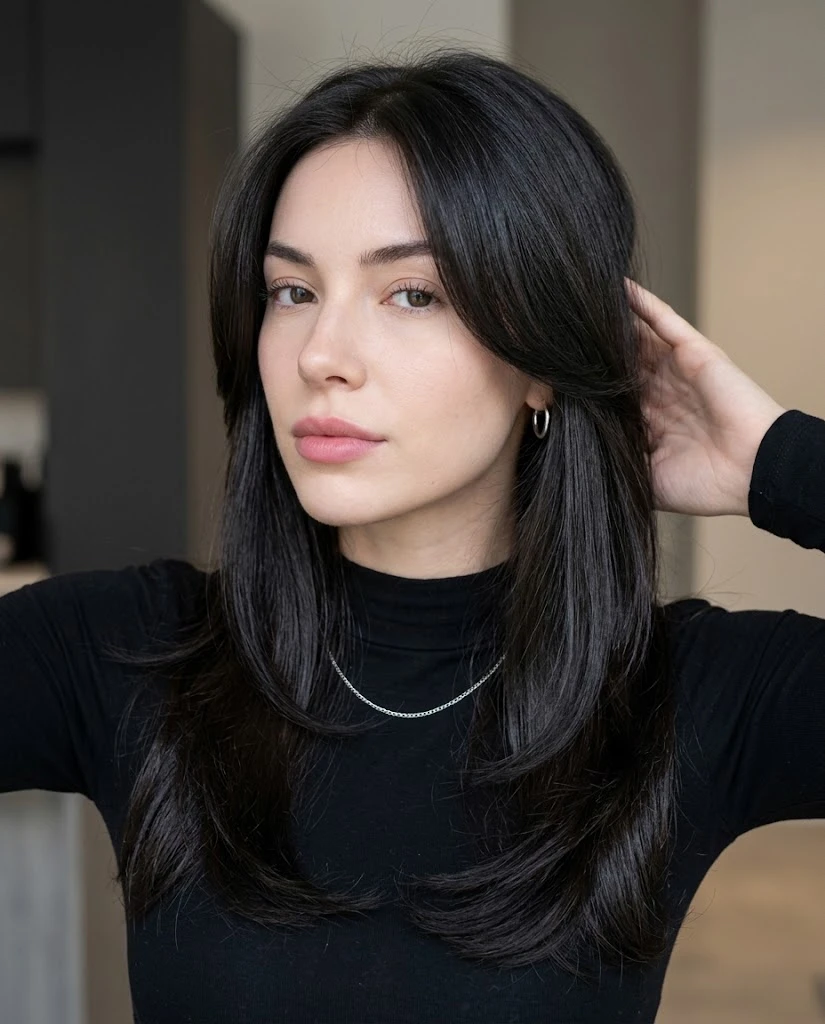
It is an excellent choice if your long hair tends to sit flat at the roots but you do not want a dramatically layered haircut. Ask for subtle crown shaping that works with your natural density, preserving enough length to avoid short pieces sticking out. A lightweight root-lifting product can help during styling, but the cut should still look balanced when the hair is worn naturally. This creates a refined interpretation of ’90s volume without relying on heavy teasing.
17. ’90s Layers With Jaw-Length Front Pieces
Jaw-length front pieces create a more defined frame while leaving the back long. These shorter sections are angled around the jaw and blend gradually into the remaining layers, creating movement that is noticeable from the front and side. The contrast between the shorter front and long back gives the haircut a distinctive shape without requiring a short overall cut.
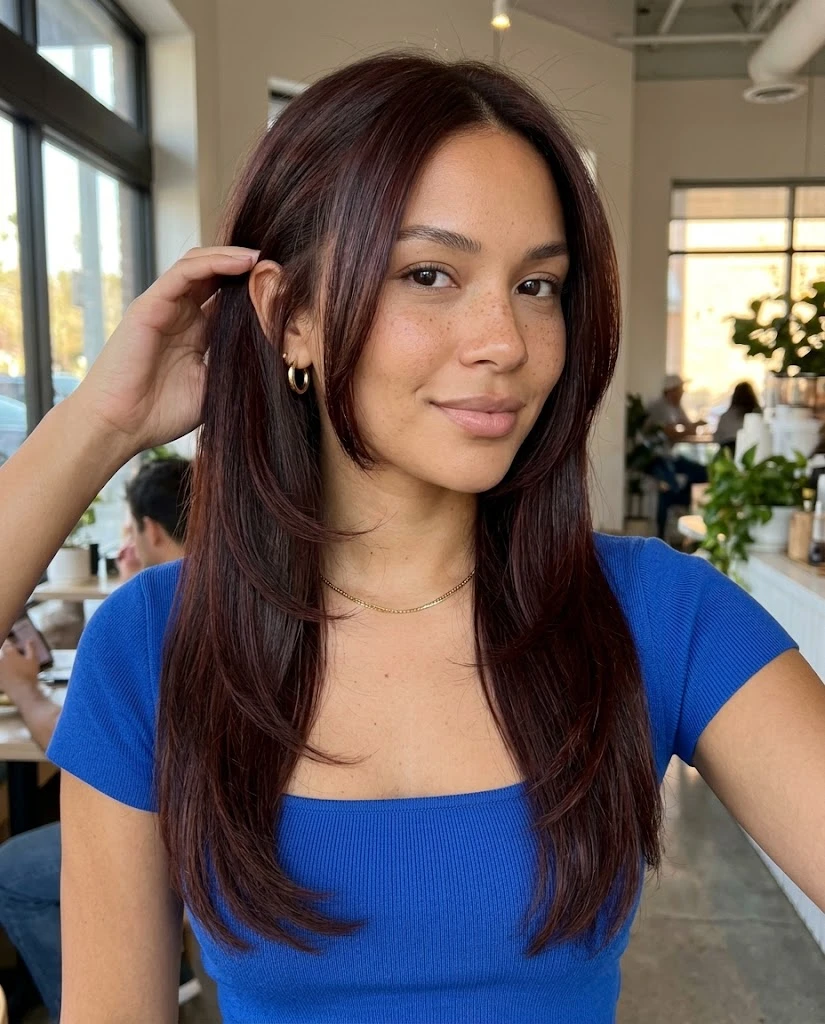
This style suits anyone who wants their face-framing layers to be more visible than in a subtle long-layered haircut. Ask your stylist to check how the jaw-length pieces sit with your preferred parting and natural texture. The transition into the sides is important: overly abrupt layers can create a shelf-like effect, while careful blending produces a softer result. Style the front away from the face for extra bounce, or leave it in a natural curve for a relaxed everyday appearance.
18. The ’90s Layered Cut With Soft Internal Layers
Soft internal layers create movement beneath the surface without making the outer shape look heavily textured. The stylist removes selected weight from inside the haircut while keeping the visible perimeter relatively smooth. Face-framing pieces provide the recognisable ’90s shape, and the internal work helps the longer sections move rather than hang heavily together.
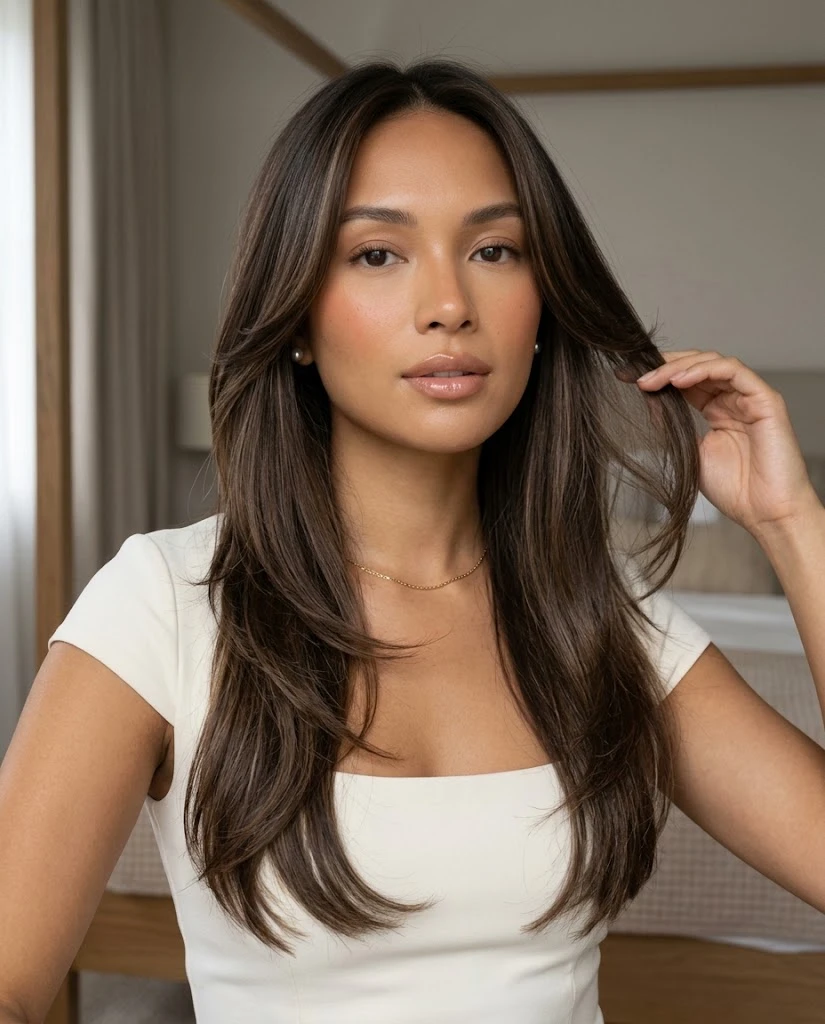
This option is particularly useful for people who want a polished haircut that still feels light. It can be adapted for thicker hair that needs weight management, while finer hair may need a more restrained technique. Ask your stylist to preserve the outline and explain how the internal layers will affect fullness. The aim is not to make the ends look thin, but to help the hair swing more naturally. With a soft blowout, the result appears smooth, bouncy, and subtly dimensional.
19. The ’90s Layered Cut With a Sweeping Fringe
A sweeping fringe gives the layered haircut a dramatic diagonal line that blends into the front sections. The fringe is longer toward one side, connecting with the cheekbone-framing layers and creating a continuous flow from the forehead to the lengths. The rest of the haircut retains long, blended layers, allowing the fringe to stand out without making the entire style feel overly structured.
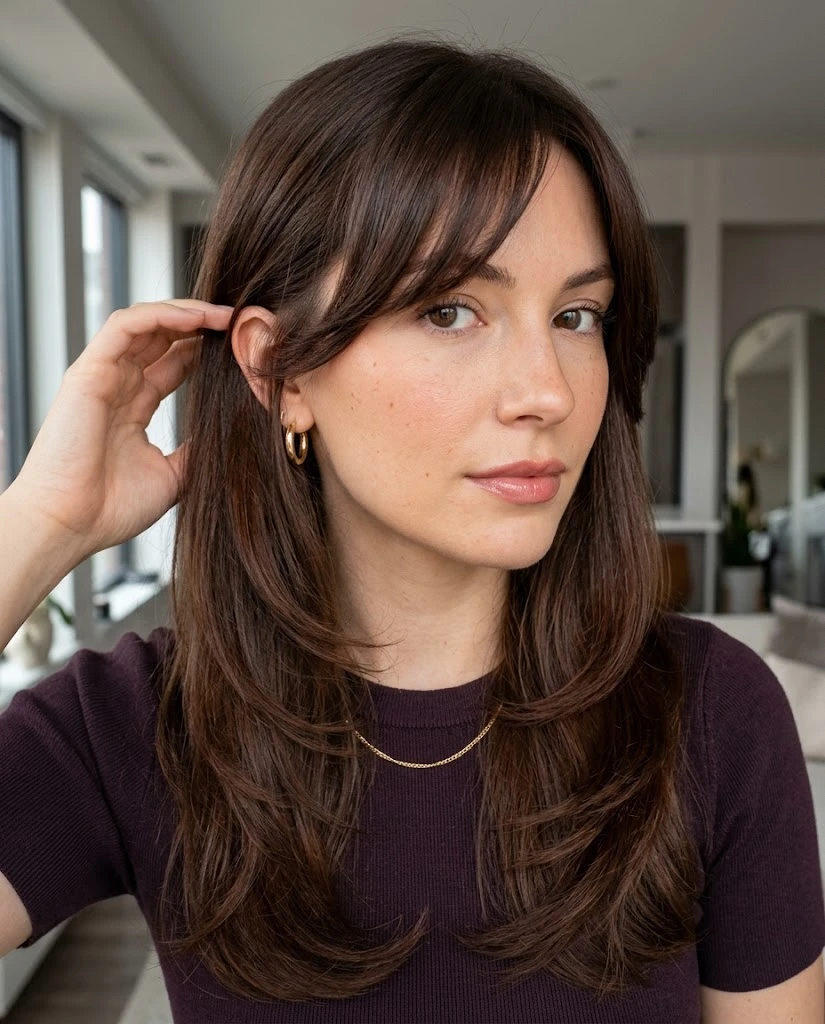
This version is worth considering if you like side-swept styling or want an alternative to centre-parted curtain bangs. Ask for a fringe length that can be tucked behind the ear or blended into the front layers when you want a different look. Your stylist should consider your natural parting so the fringe falls in the right direction. A round brush can encourage the signature sweep, while a softer finish keeps the style wearable for everyday autumn plans.
20. The Modern ’90s Supermodel Layered Cut
The modern ’90s supermodel cut combines the decade’s recognisable volume with a softer, more wearable approach to layering. The front pieces frame the cheekbones and jaw, the upper sections provide lift, and the longer lengths remain connected to preserve fullness. Rather than relying on extremely short layers or heavy teasing, the haircut is shaped to create movement through precise blending and a balanced outline.
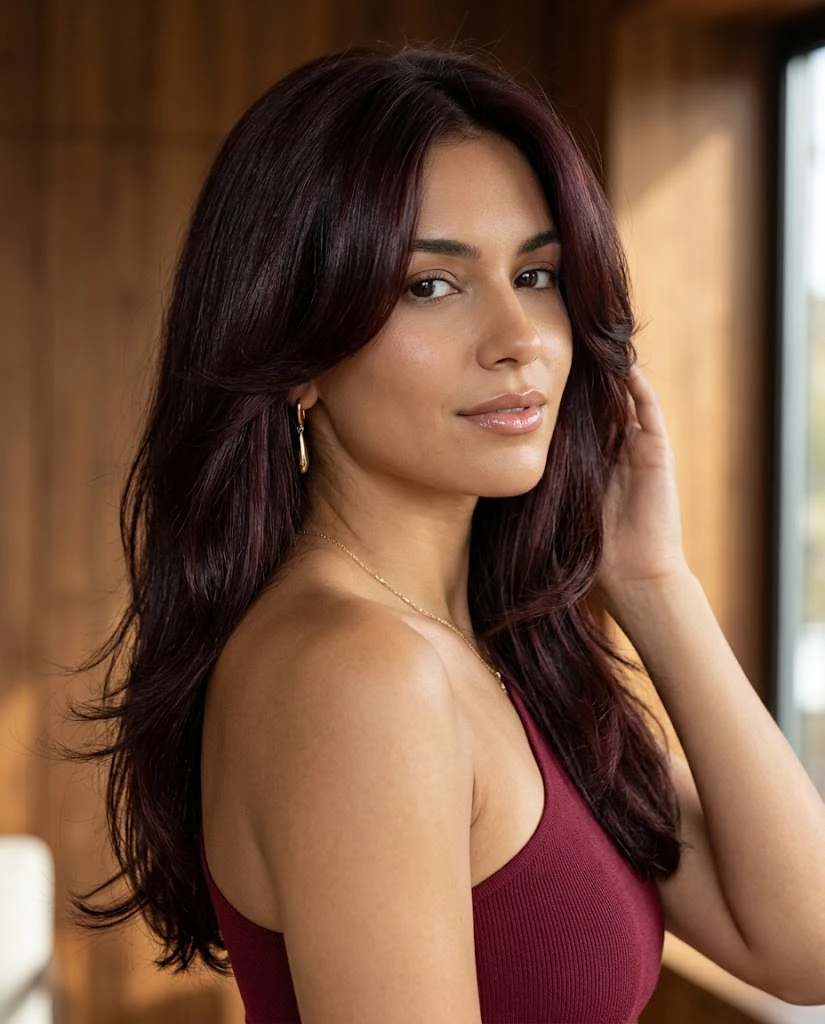
This is an excellent option if you want the essence of the trend without copying a vintage hairstyle exactly. Ask your stylist for a personalised combination of face-framing layers, subtle crown shaping, and ends that can hold a soft bend. Explain whether you prefer a dramatic blowout or a more natural finish, since that will influence the placement of the layers. The result should feel polished but flexible, bringing classic supermodel energy into a modern autumn haircut.
Final Thoughts
Fall ’90s layered haircuts for 2026 bring together face-framing shape, bouncy movement, and the kind of fullness that makes long hair feel fresh again. From cheekbone-framing layers and feathered ends to rounded silhouettes and sweeping fringes, these 20 variations offer different ways to enjoy the trend without repeating the same haircut. For more throwback styling ideas, try our 90s-inspired fall hairstyles.
Choose a style that complements your natural texture and fits the time you want to spend styling. The most successful ’90s-inspired cut is not simply the one with the biggest blowout; it is the one whose layers fall beautifully, preserve the fullness you want, and make you feel confident whether your hair is freshly styled or naturally relaxed. For more cut ideas, explore our fall wolf haircuts and fall haircuts for women, or browse the full fall hairstyles roundup. For a face-framing fringe, see our fall haircuts with wispy bangs.