Fall Bob Haircut Ideas 2026: 20 Chic, Fresh Cuts to Try This Autumn

Fall bob haircuts are one of the easiest ways to refresh your look without committing to an extremely short style. For fall 2026, bobs offer more variety than ever, with personalized lengths, natural movement, carefully shaped outlines, and options for straight, wavy, curly, and coily hair. The best version is not necessarily the most dramatic one; it is the cut that works with your texture and makes everyday styling feel easier.
This season, think beyond choosing between a classic bob and a layered bob. Small details can completely change the result, including where the perimeter falls, how the back is shaped, whether the sides tuck behind your ears, and how much movement is built into the ends. These decisions can help your haircut feel modern while still being practical enough for busy mornings.
Below are 20 fresh fall bob haircut ideas for different preferences, from compact and structured shapes to relaxed cuts with natural movement. Use them as inspiration for your next salon consultation and personalize the details to suit your hair. For an even shorter option, see our fall short haircuts.
1. The Jawline-Hugging Compact Bob
A compact bob that finishes around the jawline creates a clean, defined shape without needing dramatic layers or a complicated styling routine. Its length draws attention to the lower half of the face, while the carefully shaped outline gives the hair a fuller appearance. This haircut feels especially chic with simple autumn outfits, delicate earrings, and structured jackets because its proportions look intentional without being overly formal.
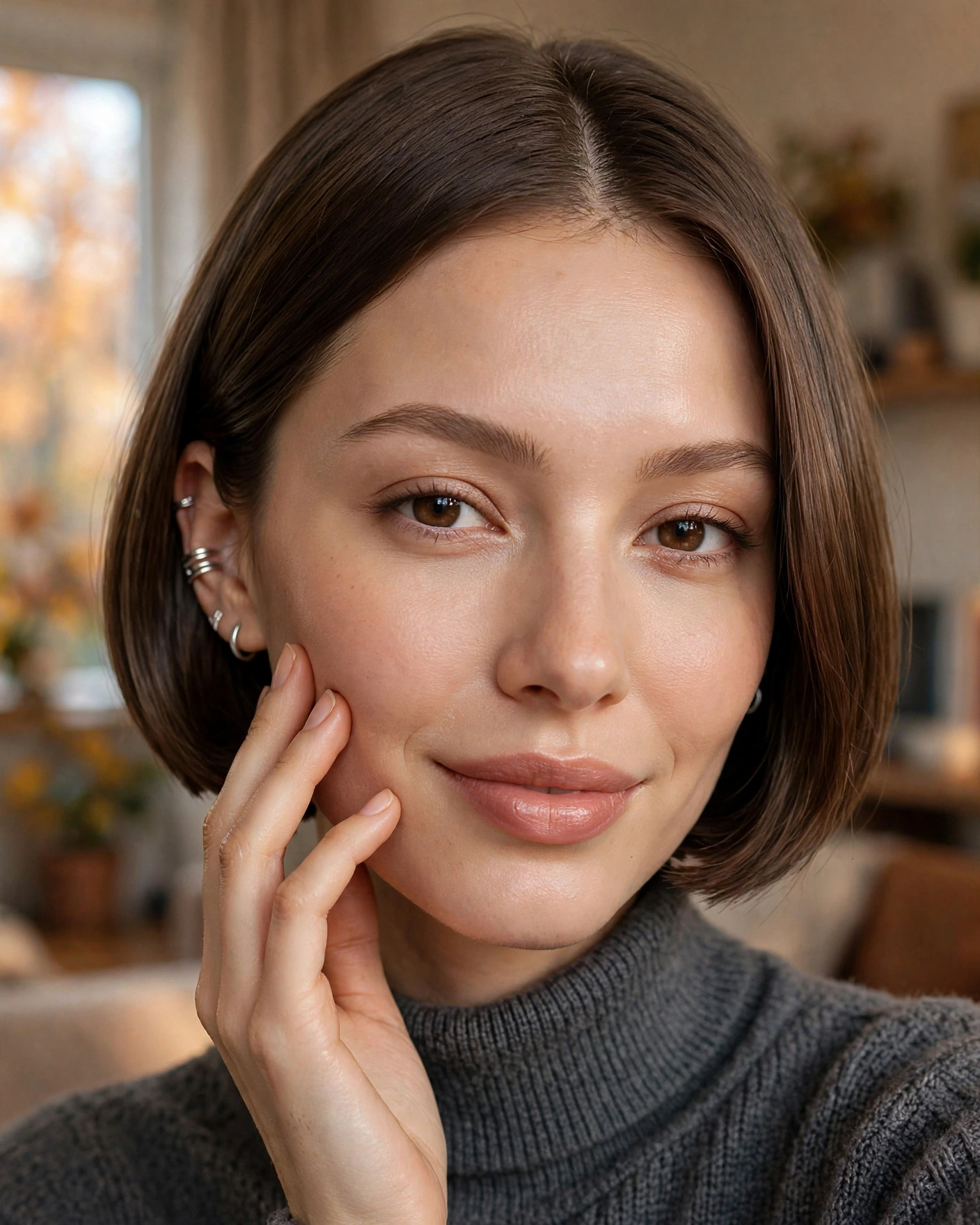
For the best result, ask your stylist to assess your hair density and how the ends naturally fall around your jaw. Fine hair may benefit from a strong perimeter, while thick hair might need subtle internal shaping to prevent excessive width. The cut can be worn with a center part or a soft side part, depending on your preferences. A quick blow-dry with a paddle brush can help maintain its neat outline.
2. The Collarbone-Grazing Bob
If you love the idea of a bob but do not want to lose too much length, a collarbone-grazing version offers a comfortable compromise. It sits between a traditional bob and a longer lob, allowing the ends to move around the shoulders while keeping the overall silhouette relatively compact. This length feels versatile because you can wear it loose, tuck one side behind your ear, or secure the front sections when needed.
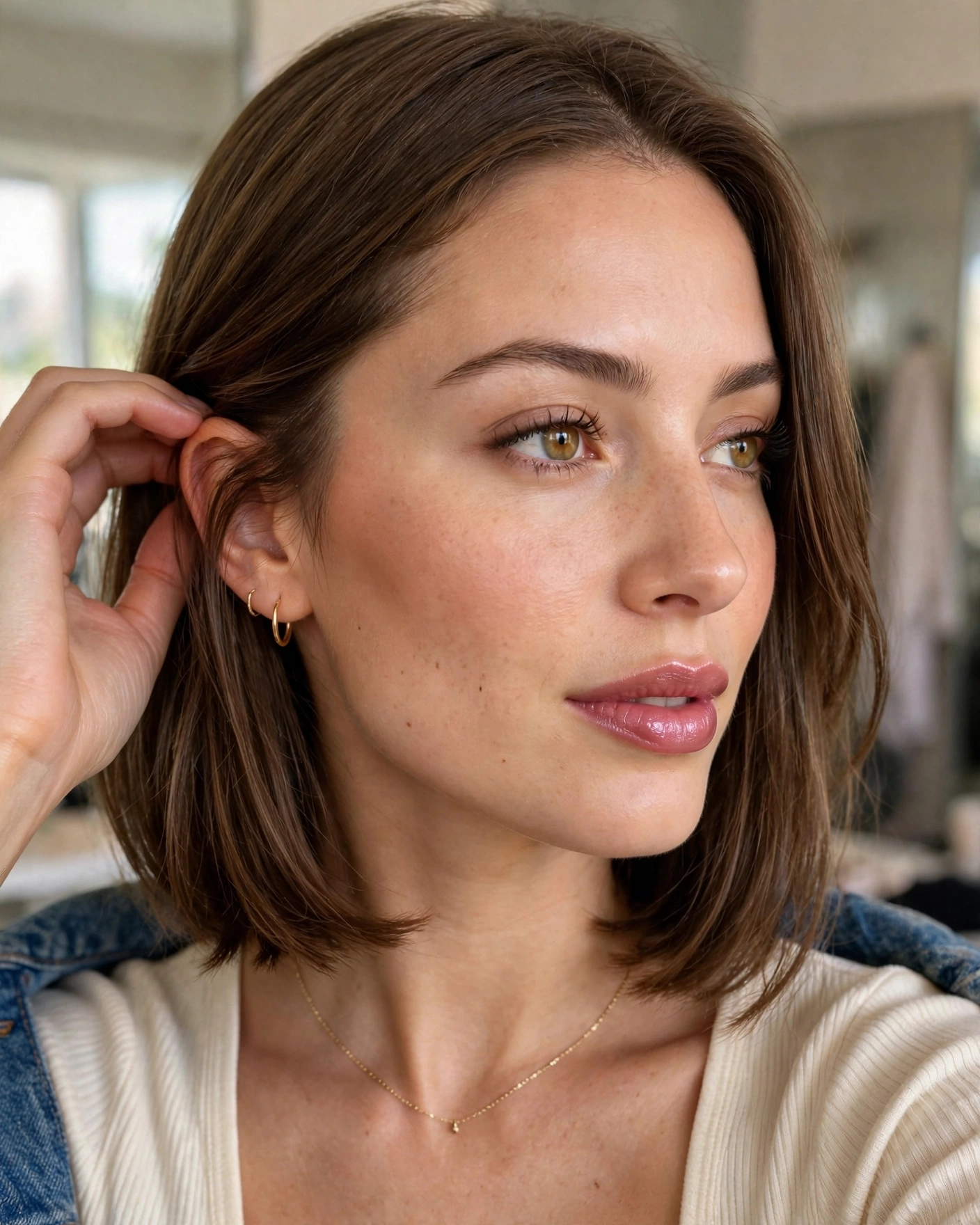
Ask for a shape that keeps the ends balanced instead of allowing the hair to become unnecessarily heavy around the shoulders. This is especially useful for thick hair, which can expand outward when cut to this length. Fine hair may look fuller when the perimeter remains substantial. The styling routine can stay simple: use heat protectant before blow-drying and finish with a lightweight serum if your ends need extra smoothness.
3. The Rounded Bob for Naturally Thick Hair
Thick hair can look beautiful in a rounded bob when the shape is designed to distribute volume rather than simply remove length. The silhouette follows a soft curve around the head, creating fullness without allowing the sides to become excessively wide. Unlike a heavily layered haircut, this design maintains a cohesive outline while using selective shaping to help the hair settle comfortably.
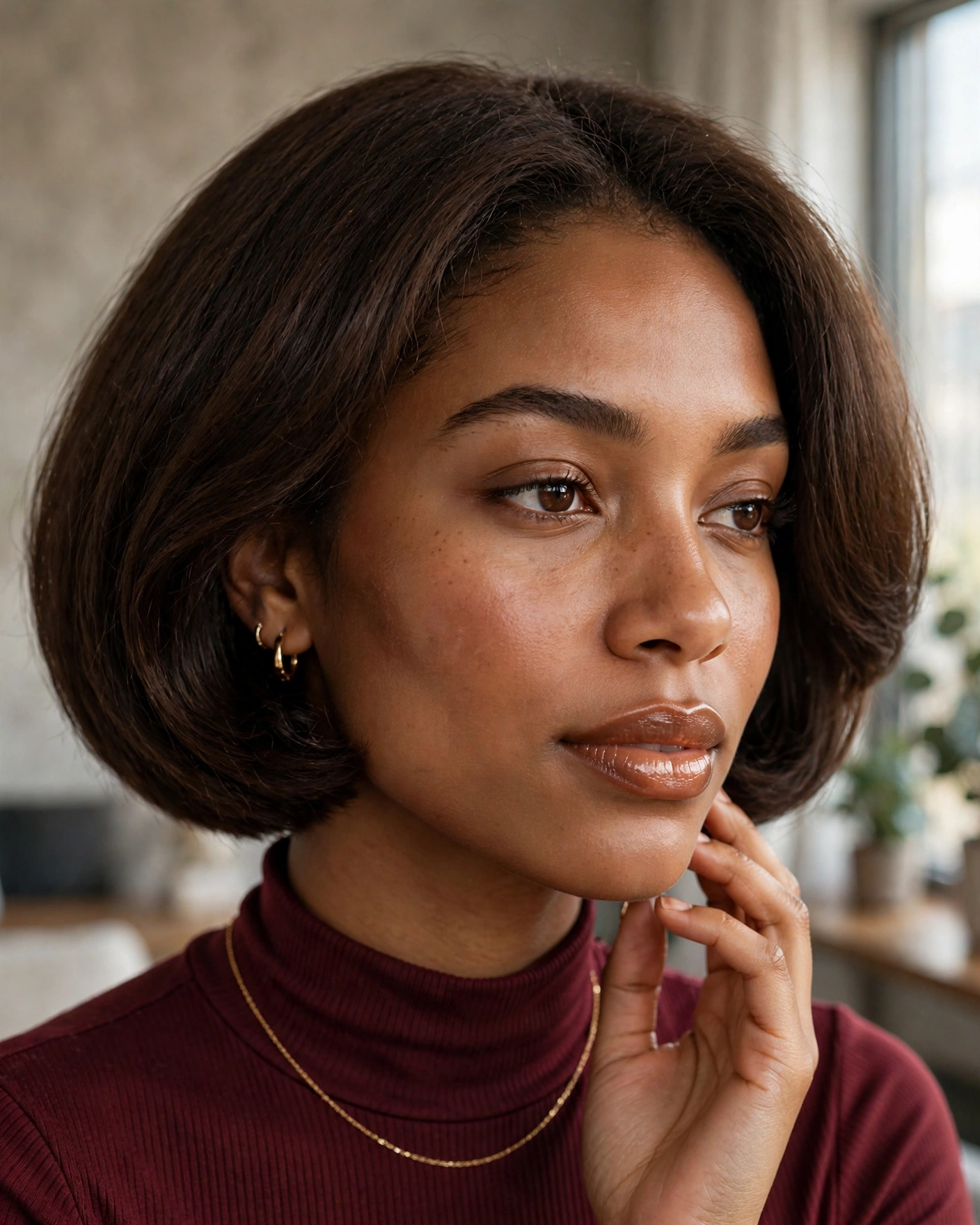
During your consultation, explain where your hair tends to become bulky, particularly behind the ears and near the nape. Your stylist can remove weight internally while keeping enough density at the ends to preserve the shape. Avoid assuming that aggressive thinning is always the answer, as it can sometimes create frizz or uneven growth. A smoothing cream and a controlled blow-dry can help the rounded silhouette look polished without feeling stiff.
4. The Natural Wave Bob With a Broken Outline
This bob is designed for hair that naturally bends, curves, or forms loose waves rather than sitting perfectly straight. The ends are shaped to allow individual sections to move independently, creating a relaxed outline that feels less formal than a precisely uniform cut. It is ideal if you want a modern haircut that looks attractive without needing every strand to sit in exactly the same position.

The key is preserving the wave pattern instead of forcing it into a shape designed for straight hair. Ask your stylist how the cut will look when air-dried, especially if your waves vary across different parts of your head. Apply a lightweight wave cream to damp hair, scrunch gently, and allow it to dry naturally or use a diffuser. This approach helps the haircut retain its personality without excessive heat styling.
5. The Short Bob With a Soft Nape Taper
A soft nape taper creates a clean finish at the back while leaving the rest of the bob long enough to maintain a classic shape. The hair gradually becomes shorter toward the neckline, helping the back sit neatly instead of bunching up. This detail can make a relatively simple haircut look more tailored, particularly when the hair is tucked behind the ears or viewed from the side.

This style is worth considering if your hair tends to become bulky at the nape or if you dislike the feeling of hair resting heavily against your neck. Ask for a subtle transition rather than an extremely close finish if you want the haircut to grow out more gently. Your stylist can adapt the taper to your natural hairline. A little styling cream is often enough to keep the back looking tidy.
6. The Softly Disconnected Bob
A softly disconnected bob combines a clear outer silhouette with slightly different lengths inside the haircut. These differences are subtle rather than dramatic, allowing sections to move independently without making the shape look uneven. The effect is contemporary and slightly artistic, offering a fresh option for anyone who finds traditional, uniform bobs too predictable.

This haircut works best when the stylist understands how to preserve balance between the visible outline and the shorter internal sections. It may be particularly helpful for thick hair that needs movement without losing all its fullness. Ask your stylist to explain where the internal shaping will sit and how it will behave as your hair grows. For styling, a small amount of flexible cream can emphasize the separation while keeping the ends soft and touchable.
7. The Ear-Tuck Bob With a Slim Side Profile
An ear-tuck bob is designed to sit neatly when one or both sides are placed behind the ears. The front sections retain enough length to frame the face when worn loose, while the sides are shaped to avoid creating a bulky area around the temples. This gives the haircut two distinct moods: relaxed and face-framing when worn down, or cleaner and more open when tucked back.

Before cutting, consider whether you want both sides to tuck easily or prefer one side to remain longer. Your stylist can adjust the front sections according to your natural part and hairline. If your hair is thick, subtle weight removal may help it stay behind the ears more comfortably. A lightweight styling lotion can control flyaways without making the hair slippery, helping the tucked shape remain secure throughout the day.
8. The Softly Graduated Back Bob
This bob uses gradual layering through the back to create a gentle lift while preserving a balanced shape around the sides. The graduation is subtle enough to avoid an exaggerated stacked effect, making the haircut feel contemporary and wearable. It can be a useful choice if you want a little more structure at the back but prefer the sides and front to remain smooth and uncomplicated.

The exact amount of graduation should depend on your hair density and natural growth direction. Fine hair may need only minimal shaping to avoid exposing the scalp, while thicker hair can support a more noticeable transition. Ask your stylist to show you the side profile before deciding how short the back should be. A round brush can help lift the roots during drying, but the cut should still look attractive with minimal styling.
9. The Chin-Length Bob for Fine Hair
A chin-length bob can make fine hair appear more substantial by keeping the ends close together instead of spreading them across a longer perimeter. Its compact proportions create a clear outline, while the length offers enough versatility for a center part, a side part, or a gentle curve around the face. This is a particularly useful choice if your current haircut looks thin at the ends.

Ask your stylist to prioritize density and avoid removing too much hair through excessive thinning or layering. The most flattering length will depend on how your hair falls and whether you prefer the ends to sit directly at the chin or slightly below it. For styling, use a lightweight volumizing product near the roots and keep heavier oils away from the upper sections. Regular trims can help preserve the fuller appearance.
10. The Curly Bob With a Balanced Crown
A curly bob can create a beautiful rounded silhouette when the crown, sides, and ends are shaped according to the natural curl pattern. Rather than forcing the curls into a uniform outline, this cut allows individual spirals to contribute to the overall shape. The result feels lively and dimensional, with a length that can frame the face while keeping the hair manageable.

Curly hair should be assessed with shrinkage in mind, since the final dry length may be shorter than expected. Ask your stylist how the cut will look when your curls are styled in your usual routine. A moisturizing leave-in product and curl cream can support definition, while gentle drying helps preserve the shape. Avoid brushing the hair aggressively when dry if that disrupts your curl pattern or creates unwanted volume.
11. The Side-Part Bob With a Natural Lift
A side-part bob creates a little asymmetry without requiring an uneven haircut. The part shifts the visual balance, allowing one side to appear fuller while the opposite side frames the face more closely. This small adjustment can make a familiar bob feel refreshed, particularly if you usually wear your hair in the same center part every day.

The best parting position depends on your natural growth pattern and the direction in which your hair falls. Ask your stylist to test a few options before cutting, especially if you have a strong cowlick near the forehead. A lightweight mousse can provide gentle support at the roots, while a brush helps direct the fuller side into place. The result should feel naturally lifted rather than excessively teased or rigid.
12. The Soft Square Bob for a Defined Shape
A square bob features a more horizontal, structured outline that creates a clear shape around the lower half of the head. The modern version can remain soft at the corners, avoiding the overly severe appearance that a rigid geometric cut may produce. It is an appealing choice if you like clean silhouettes and want a haircut that looks intentional even with minimal styling.

Your stylist should consider how your hair density affects the corners and whether the ends need subtle refinement to sit comfortably. Thick hair may require internal shaping, while finer hair often benefits from keeping the outline relatively solid. The square shape can be adjusted to finish near the jaw or slightly below it. A simple blow-dry with a paddle brush helps emphasize the line without making the hair appear unnaturally flat.
13. The Long-Front Bob With a Gentle Diagonal
This bob gradually becomes longer toward the front, creating a diagonal line that frames the face without looking sharply angled. The back remains shorter and more compact, while the front sections provide a little extra length around the cheeks and jaw. It is a practical choice if you want a bob that feels distinctive but still has enough front length to tuck away or style in different directions.

Ask your stylist to choose an angle that complements your hair texture rather than copying an extreme reference photo. A gentle diagonal can be easier to maintain and may grow out more naturally than a dramatic difference between the front and back. Fine hair often benefits from a clean outline, while thick hair may need selective shaping underneath. The cut can be worn smooth or with a soft bend through the front sections.
14. The Bob With a Natural Curl Fringe
A curl fringe gives a bob a distinctive front detail while allowing natural texture to remain the focus. Instead of creating a straight, uniform fringe, the front curls are shaped to sit naturally across the forehead, with enough space between sections to preserve movement. The rest of the bob can be rounded or slightly longer, depending on how much volume you prefer around the sides.

This look requires careful consideration of shrinkage and curl direction. Ask your stylist to determine the fringe length based on how your curls behave when dry, rather than judging the length only when wet. A small amount of curl cream can help maintain definition without weighing down the front. If you prefer a softer appearance, the fringe can be left slightly longer so it blends into the surrounding sections as it grows.
15. The Airy Bob for Hair That Feels Heavy
If your hair feels dense and difficult to style, an airy bob can create movement without removing the entire sense of fullness. The outer shape remains recognizable, but selective shaping allows the ends to separate more naturally. The result is a lighter-looking haircut that moves when you turn your head instead of sitting as one heavy block around the face.

The technique matters more than the name. Ask your stylist to identify where the bulk is concentrated and explain how they plan to reduce it while preserving the ends. Too much thinning can create frizz or make the haircut lose its shape, so the goal should be controlled movement rather than maximum lightness. A lightweight leave-in product and gentle blow-drying can help the layers sit naturally without requiring extensive daily styling.
16. The Rounded Bob for Coily Hair
A rounded bob for coily hair creates a balanced outline that celebrates natural texture while allowing the length to frame the face. The curls can be shaped to build fullness through the sides and crown, or the silhouette can be kept closer to the head for a more compact finish. This flexibility makes the cut suitable for different preferences without requiring a straightened texture.
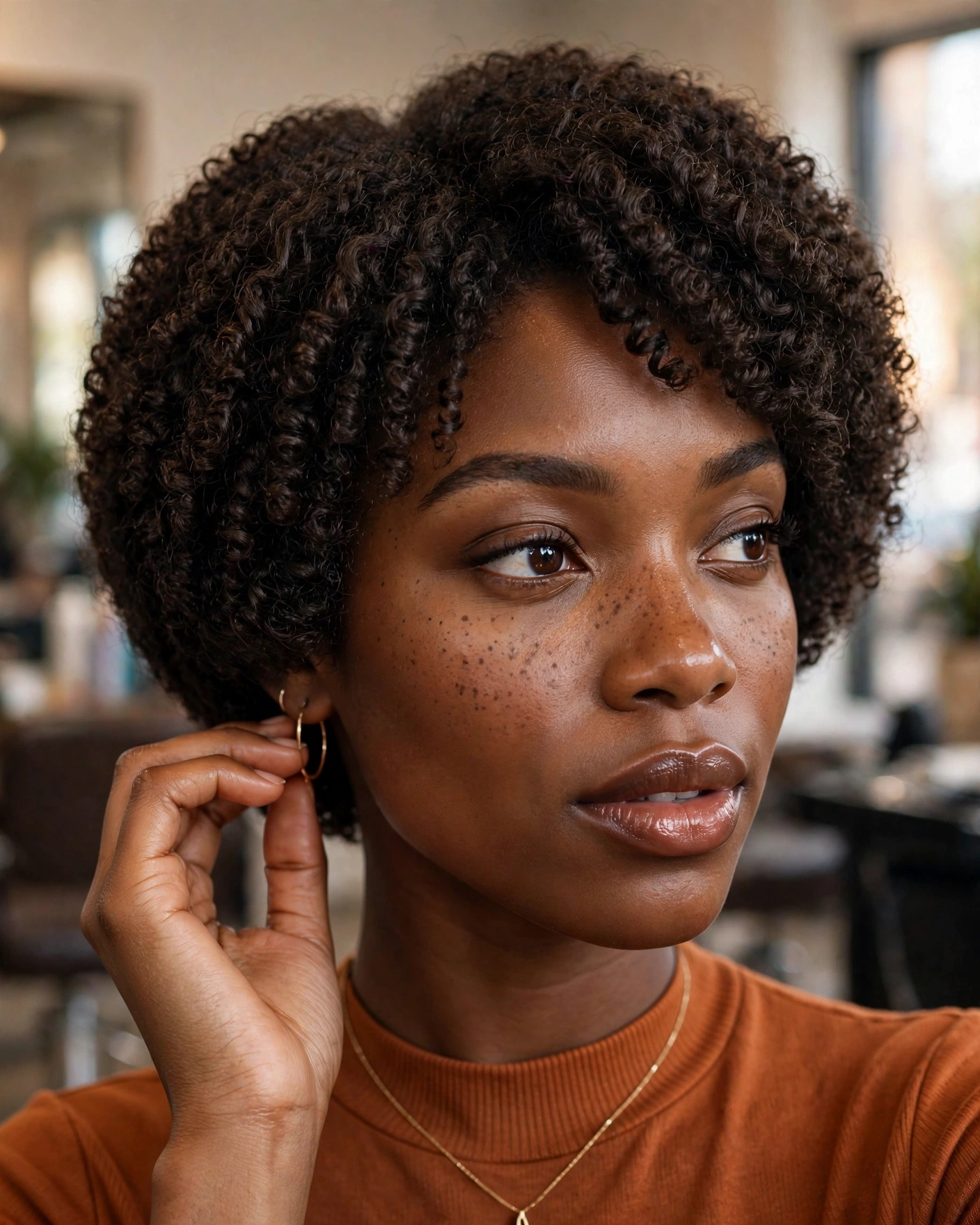
Discuss your normal styling routine with a stylist experienced in coily hair, including how you moisturize, define, and dry your curls. Shrinkage and curl density influence where the perimeter should fall, so the desired finished shape should guide the cutting process. Use a moisturizing leave-in conditioner and a styling product that supports your curl pattern. Gentle detangling and regular trims can help the outline remain balanced while preserving healthy-looking ends.
17. The Low-Maintenance Grown-Out Bob
A grown-out bob is ideal if you want a shorter haircut without the commitment of maintaining an exact, sharply defined length. It sits a little longer around the neck and shoulders, allowing the ends to move naturally as the haircut grows. The shape feels relaxed and versatile, especially if you enjoy changing your part or occasionally tying back the front sections.

Ask your stylist to create a balanced outline that still looks intentional several weeks after your appointment. Avoid relying on details that need constant precision if you prefer fewer salon visits. A slightly longer bob can also make the transition from long hair less intimidating because it preserves more styling options. Use heat protection when blow-drying and keep the ends conditioned so the haircut remains smooth as it grows.
18. The Bob With a Subtle Face-Framing Curve
This haircut uses a gentle curve around the front sections to soften the transition between the sides and the face. Rather than depending on obvious layers or a heavy fringe, it creates interest through carefully placed lengths that follow the cheekbones and jaw. The rest of the bob can remain simple, making the face-framing detail the main feature.

The curve should be adapted to your preferred parting and how much hair you like around your face. Ask your stylist to show you where the shortest pieces will fall before deciding on the final length. This is particularly helpful if you want to tuck the hair behind your ears without losing the soft frame. Styling can be as simple as directing the front sections with a brush while drying, then allowing the rest to fall naturally.
19. The Textured Bob for Second-Day Styling
A textured bob is a practical option for people who do not want their haircut to depend on a perfect blowout every morning. The shape allows the ends to move independently, so a little natural separation can make the style look more interesting rather than messy. It can work with straight, wavy, or slightly curly hair when the amount of layering is adjusted to the texture.
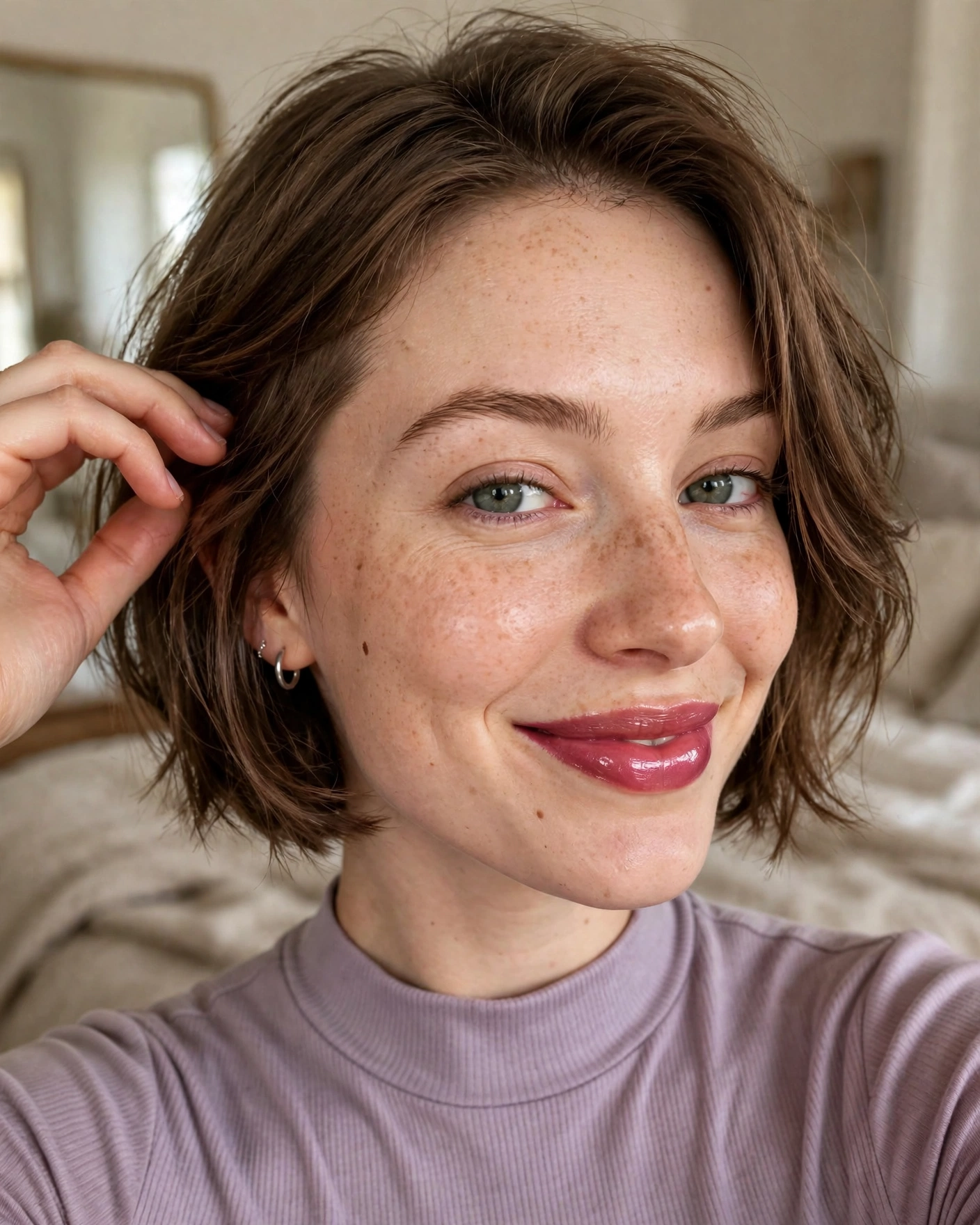
Ask your stylist to build movement without making the ends too thin. The haircut should still look balanced when you wash it and allow it to dry naturally. On second-day hair, refresh the roots if needed and use a small amount of texturizing product through the ends. Avoid applying too much product at once, since buildup can make short hair feel heavy. The aim is an easy, touchable finish that can be reshaped quickly.
20. The Personalized Bob Based on Your Hairline
The most flattering bob is often one designed around your own hairline, natural part, and hair density rather than a fixed trend name. Your stylist can adjust the front length, the shape around the ears, and the back perimeter to create a haircut that feels balanced from every angle. These small decisions can make the difference between a style that looks beautiful only in a photograph and one that works in everyday life.

For your appointment, bring a few reference images showing the front, side, and back of the type of bob you like. Explain whether you prefer smooth styling, natural texture, or a quick air-dry routine. Ask how the shape will change as it grows and how often it may need trimming. A personalized bob should complement your features while remaining practical for your lifestyle and preferred level of maintenance.
How to Choose the Right Fall Bob Haircut
Before choosing a bob, consider your hair texture, density, natural growth pattern, and preferred styling routine. Fine hair often benefits from a fuller outline, while thick hair may need carefully placed internal shaping. Wavy, curly, and coily hair should be cut with natural movement and shrinkage in mind. If you are unsure about going shorter, start with a longer bob and make further adjustments after you have lived with the new length.
Think about maintenance as well as appearance. A precise, compact bob may need regular trims to preserve its outline, while a longer, softer shape usually gives you more flexibility between appointments. Bring inspiration photographs to your stylist, but use them to communicate the proportions you like rather than expecting an exact copy. The best result will be tailored to your own hair and how you prefer to wear it. For styling ideas, try our fall hairstyles for short hair.
Final Thoughts
Fall bob haircuts for 2026 offer plenty of ways to refresh your look, whether you prefer a compact jawline shape, a relaxed wavy cut, a rounded natural-texture bob, or a longer style that grows out gracefully. You do not need a dramatic transformation to make your haircut feel new. Sometimes changing the perimeter, adjusting the part, or shaping the front sections is enough to create a noticeable difference.
Save the ideas that match your personal style, discuss your hair’s natural behavior with your stylist, and choose a shape that works beyond the salon chair. With the right proportions and a manageable care routine, a bob can feel modern, flattering, and easy to wear throughout autumn and beyond. For more cut ideas, explore our fall French bob haircuts and fall haircuts for women, or browse the full fall hairstyles roundup. For winter layers, see our winter layered bob haircuts. For a softer finish, see our fall haircuts with wispy bangs.