Fall Haircuts for Plus-Size Women 2026: 20 Stylish, Confidence-Boosting Looks

Fall haircuts for plus-size women should feel like your style, not a set of rules about which features you should hide or change. For fall 2026, the most interesting haircuts combine thoughtful shaping, modern texture, and flexible styling. Whether you love short hair, prefer a shoulder-skimming cut, or feel happiest with long lengths, the right silhouette can help you express your personality and make your everyday routine easier.
There is no single haircut that every plus-size woman needs to choose. Face shape, hair density, natural texture, neck length, personal taste, and styling habits all influence how a cut looks and feels. Some women love sharp, architectural lines; others prefer soft movement, sculpted curls, or an effortlessly undone finish. These 20 ideas explore genuinely different haircut shapes, from a graduated wedge to a long, sculpted cut and a modern cropped style, so you can choose what feels flattering, comfortable, and completely your own. For more shape ideas, see our fall hairstyles for plus size women.
1. Graduated Wedge Bob With a Lifted Back
A graduated wedge bob creates a distinctive profile through shorter, stacked sections at the back and a longer outline toward the front. Unlike a standard one-length bob, its shape builds controlled volume around the crown while keeping the perimeter neat. It is an appealing choice if you want a haircut with structure and personality rather than soft, flowing layers. The front can finish near the jaw or extend toward the upper neck, depending on your preferred look and natural hairline.
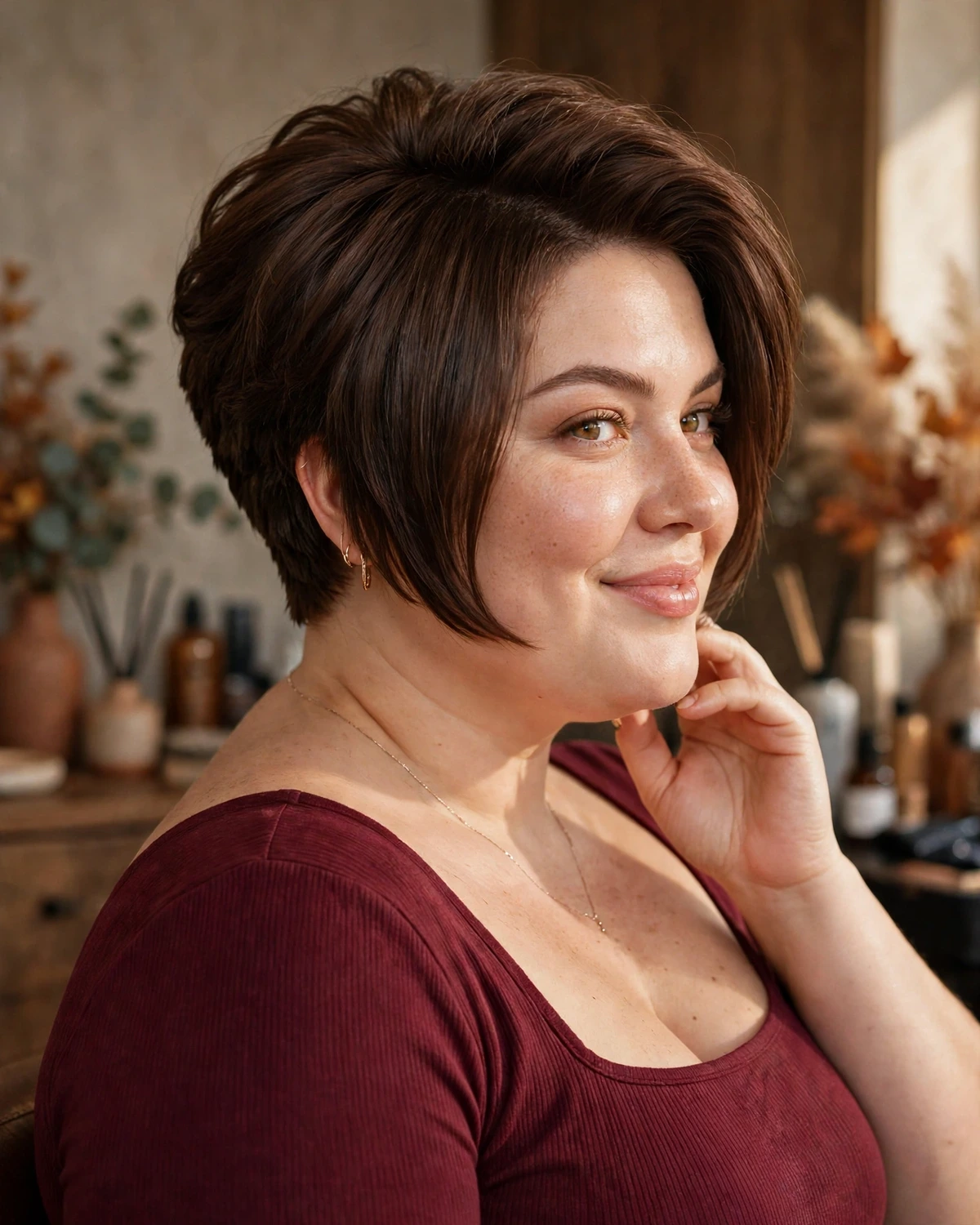
Ask your stylist to customise the graduation so the back does not become unnecessarily bulky. A gentle angle gives the cut a polished, wearable finish, while stronger stacking creates a bolder silhouette. Straight hair displays the shape clearly, but slightly wavy hair can make it feel softer. For everyday styling, blow-dry the back upward with a small round brush and smooth the front sections into place. This haircut works particularly well for someone who enjoys regular trims and a defined shape.
2. Long, Sculpted Layers With a Soft Perimeter
If long hair is part of your signature style, sculpted layers can refresh the shape without turning it into a heavily feathered haircut. The technique focuses on carefully distributed lengths that follow the natural fall of the hair, with the ends remaining substantial rather than disappearing into wispy strands. This gives long hair movement while preserving a deliberate outline. It suits women who enjoy wearing their hair loose but still want it to look shaped from the back and sides.

Ask for layers designed around your actual styling routine. If you usually wear your hair straight, subtle internal shaping can prevent the length from looking flat. If you wear waves, longer graduated sections can help them fall more naturally. The front does not need to be dramatically shorter; a gradual transition can be enough to create a cohesive silhouette. A smoothing cream or lightweight styling lotion can bring out the cut’s shape without making the hair stiff or overly polished.
3. Side-Parted Midi Cut With a Sweeping Front
This mid-length haircut combines a relatively solid outline with a long, sweeping front section that moves diagonally across the forehead. The side part creates asymmetry, while the rest of the hair remains long enough to sit around the shoulders or upper chest. It is a useful option if you want a noticeable change without committing to a short cut or a full fringe. The shape can look elegant and professional while still feeling relaxed enough for everyday wear.

Ask your stylist to position the part where your hair naturally separates most comfortably. The sweeping section should blend into the sides instead of forming an isolated piece that is difficult to manage. This haircut works on straight, wavy, and moderately thick hair, although the amount of front layering should reflect your density. A quick blow-dry with a paddle brush can create a smooth finish, while a loose bend through the ends adds softness. You can also pin the front back when you want a different look.
4. Rounded Afro With a Tapered Nape
A rounded afro celebrates natural coils while creating a carefully balanced silhouette. The overall shape can be compact or fuller, depending on the length you prefer, with the ends shaped to form a soft curve rather than a flat outline. A tapered nape adds definition at the back without taking away the personality of the natural texture. This is a beautiful choice if you want a haircut that highlights your curls and gives them a deliberate, sculpted shape.

Ask a stylist experienced with natural hair to shape the cut with your shrinkage and curl pattern in mind. The finished length may appear considerably shorter once the coils dry, so discuss your desired shape before cutting. A moisturising leave-in product and a small amount of curl cream can support definition while keeping the hair touchable. You can maintain a rounded finish with gentle picking at the roots, avoiding unnecessary disturbance to the ends. The result should reflect your preferred level of fullness, not a rule about how much volume you should wear.
5. Asymmetrical Pixie With an Extended Temple Piece
This pixie uses contrast rather than height alone to create its shape. One side remains relatively close to the head, while a longer section near the opposite temple gives the haircut a striking, directional finish. The top can be textured or smooth, depending on your hair type and personal style. It is ideal if you enjoy short hair but want something more individual than a conventional cropped pixie. The asymmetry also gives you an easy way to change the look with a different styling direction.
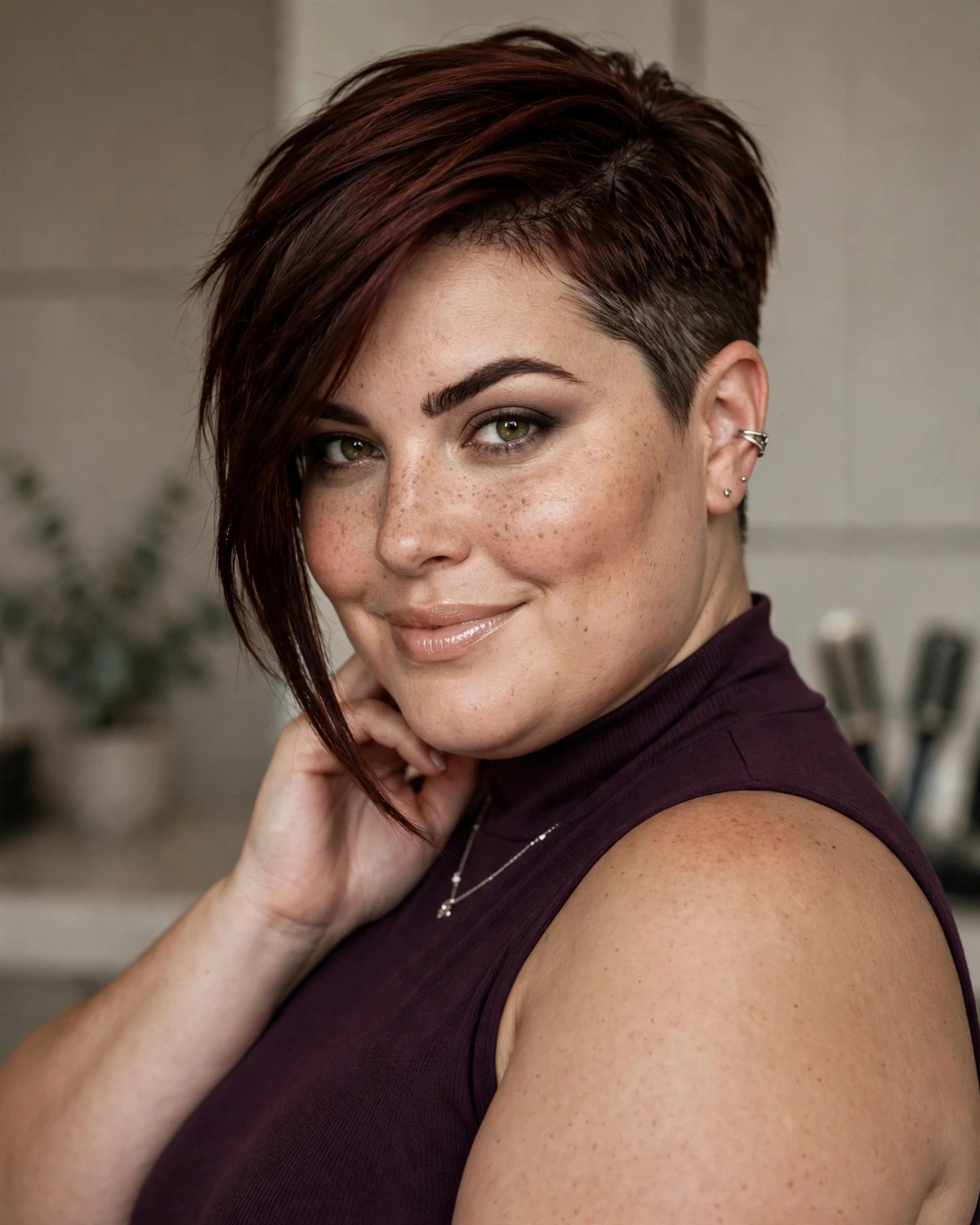
Ask your stylist to keep the extended section long enough to sit naturally instead of flicking awkwardly away from the face. The shorter side can be softly tapered or left slightly fuller, depending on how much contrast you want. For a sleek finish, use a small amount of styling cream and guide the longer piece into position with your fingers. A matte paste creates a more editorial texture. Regular trims will preserve the deliberate imbalance, although you can let it grow into a softer, less dramatic shape if your preferences change.
6. Shoulder-Length Cut With a Curved Underline
A curved underline gives a shoulder-length haircut a clean, intentional finish without relying on dramatic layers. The back is shaped to follow a gentle arc, with the sides blending into the outline so the hair sits neatly around the shoulders. This is a good option for women who want movement but prefer their ends to look substantial. The shape is understated, making it versatile for work, social occasions, and casual styling without needing a complicated blowout every morning.

Ask your stylist to check where your hair naturally rests when dry, especially if it tends to turn outward at the shoulders. The final length may need a small adjustment so the ends do not catch awkwardly on clothing. Minimal internal shaping can reduce heaviness without disturbing the outline. Wear it straight to show the curved edge, or add broad, loose bends through the lower half. A lightweight smoothing product can help maintain a neat finish while preserving natural movement.
7. Textured Crop With a Choppy Crown
A textured crop creates a short, modern silhouette through closely shaped sides and irregular lengths across the top. Instead of relying on a perfectly smooth surface, the haircut uses separated pieces to produce a lively, slightly edgy finish. The crown can be kept compact or left a little longer, depending on how much texture you enjoy. This style is especially suitable for someone who wants a confident short haircut that feels contemporary rather than overly formal.

Ask for texture that suits your hair density. Fine hair may need a restrained approach so the crown does not look sparse, while thicker hair can often support more visible separation. A pea-sized amount of matte paste can lift selected pieces and create definition without making the whole haircut stiff. You can direct the texture forward for a softer appearance or slightly upward for a bolder finish. The cut is easy to refresh at home, but regular shaping around the sides will keep its silhouette crisp.
8. Long Hair With a Softly Angled Front Perimeter
This haircut keeps the back length relatively consistent while the front edges angle gradually toward the face. It differs from a heavily layered style because the main feature is the outline rather than multiple short sections. The angled perimeter gives long hair a little more direction, especially when viewed from the front, while maintaining a full appearance through the ends. It is a practical choice if you want a subtle change that remains compatible with ponytails, braids, and simple everyday hairstyles.
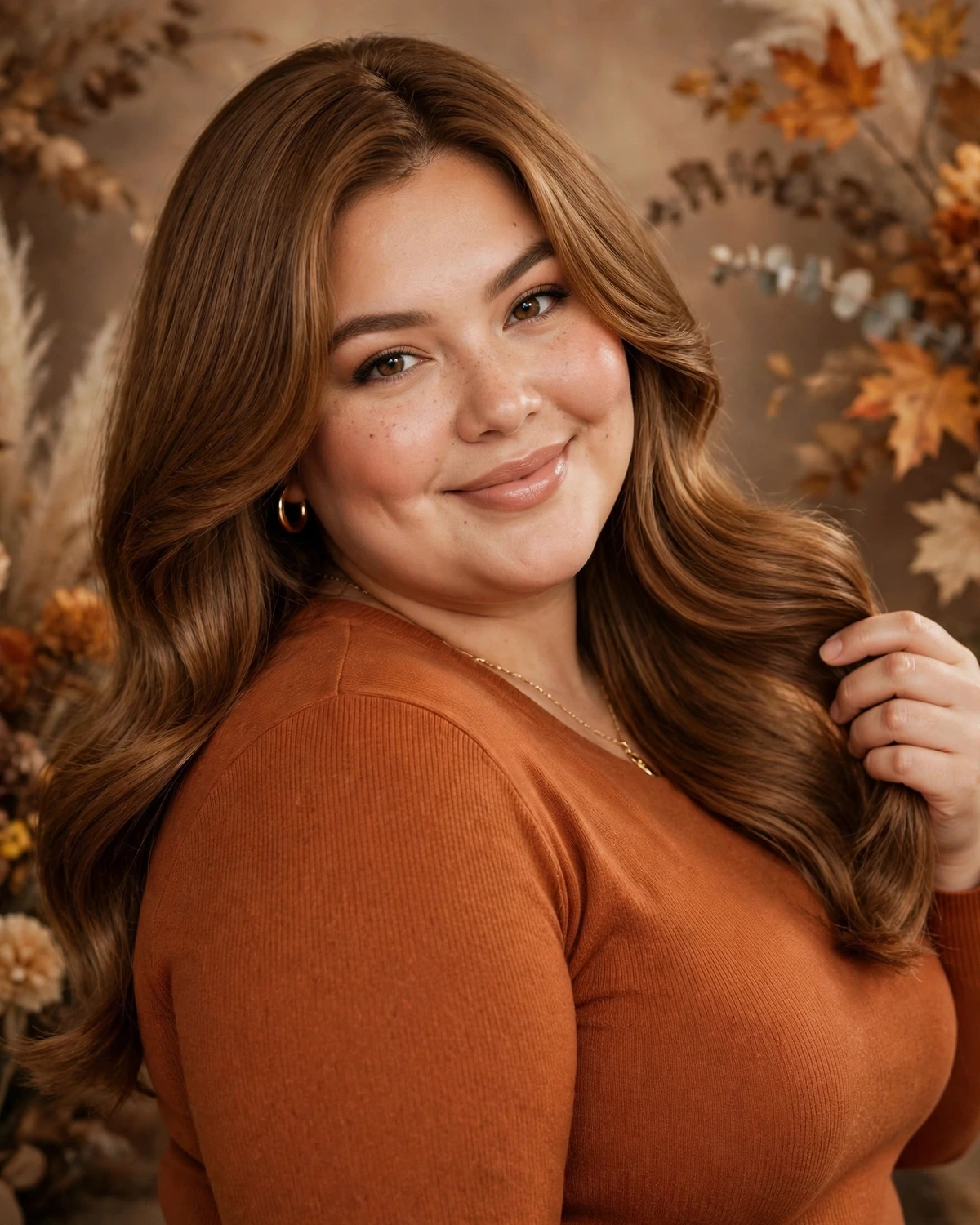
Ask your stylist to create a gradual angle instead of cutting the front into two visibly separate panels. The transition should be smooth enough that the hair looks cohesive when worn loose or tucked behind the ears. This shape works with straight hair and loose waves, and it can help thick lengths feel more organised without removing too much density. For a polished fall finish, use a large brush to guide the front sections inward slightly. Keep the ends trimmed and healthy so the outline remains clear.
9. Softly Tapered Neck-Length Cut
A neck-length cut offers a shorter alternative to a conventional shoulder-length style, with the ends finishing around the base of the neck. Gentle tapering around the back helps the haircut sit close to the head while leaving enough length at the sides for movement. The result is neat but not severe, making it suitable if you want a short-to-medium transition without committing to a jaw-length bob. It can be especially practical when you want your hair off your shoulders but still enjoy a little length around the face.
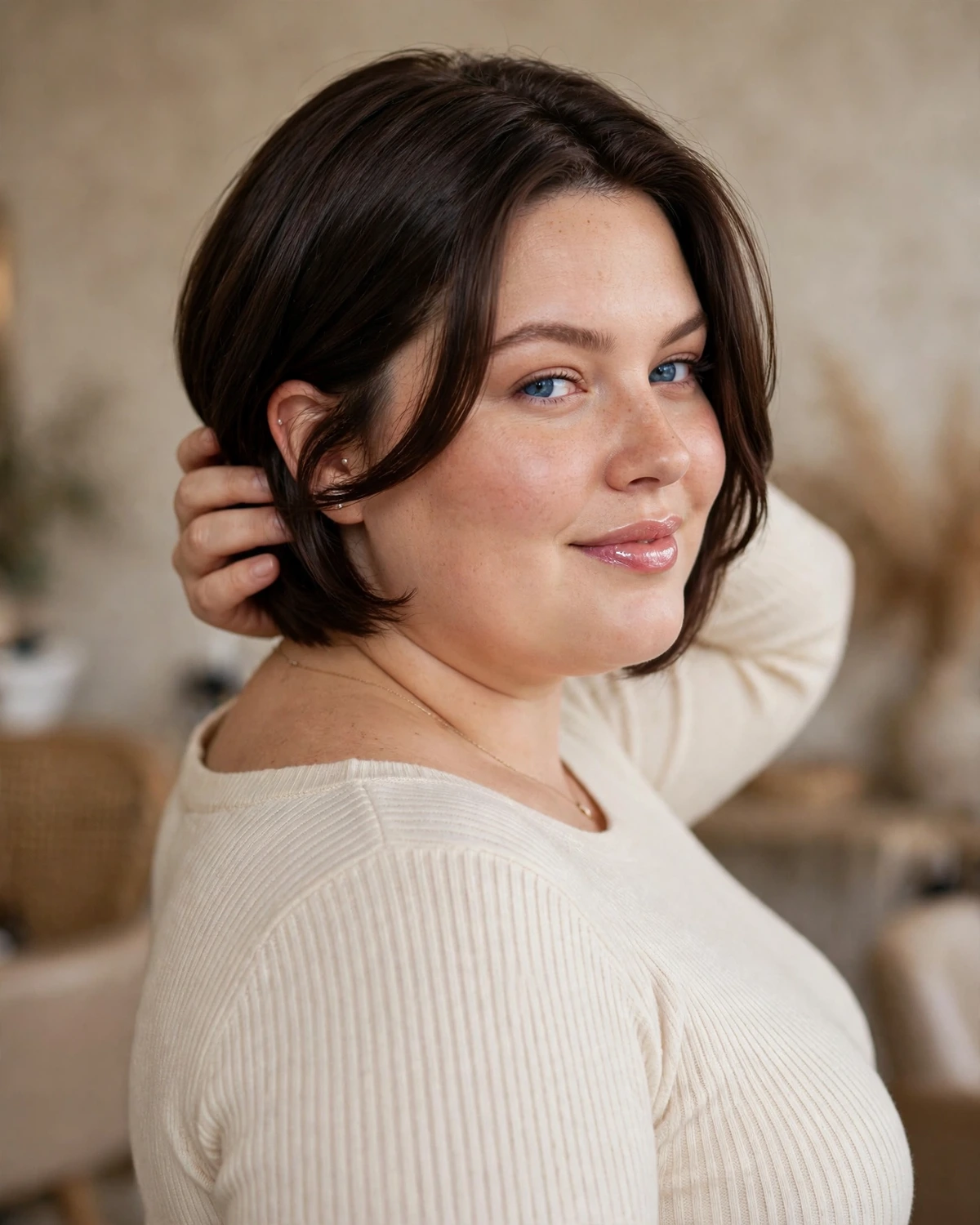
Ask for the nape to be shaped according to your natural hairline rather than cut into an unnecessarily sharp edge. The sides can be left slightly longer to tuck behind the ears or curve forward. If your hair is straight, a smooth blow-dry will reveal the clean outline. If it is wavy, a small amount of styling cream can encourage a soft bend. This haircut also grows out comfortably when the graduation is subtle, making it a sensible option for someone who prefers fewer salon visits.
10. Defined Coil Cut With a Side-Shaped Silhouette
A defined coil cut is designed around the natural direction and spring of tightly curled hair. Rather than forcing the curls into a uniform round shape, the stylist creates a side profile that complements the way the coils grow, leaving selected areas slightly longer for individuality. This can produce a beautifully sculpted haircut that looks intentional even with minimal styling. It is an excellent option for women who want to emphasise their natural texture and prefer a distinctive shape over a traditional layered cut.
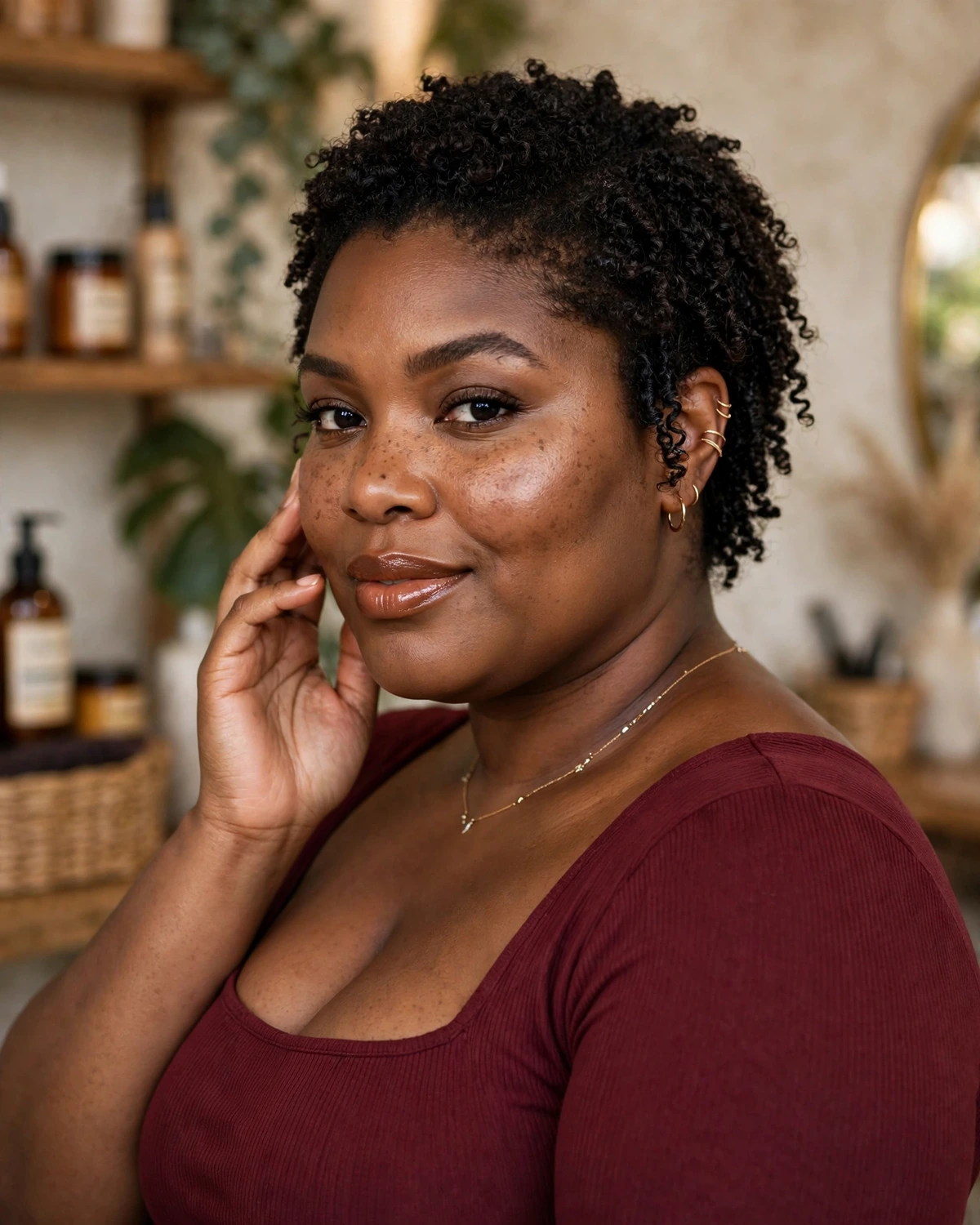
The cutting process should take curl shrinkage into account, with the stylist assessing how the coils behave when dry. Discuss whether you want a compact shape, a fuller side section, or a more noticeable outline around the temples. A moisturising styler can help curls clump together, while gentle finger separation adds definition where needed. Avoid judging the final silhouette while the hair is stretched or wet, because the dry result may be quite different. The best shape is one you can maintain comfortably with your usual wash-day routine.
11. Mid-Length Cut With a Deeply Carved Side Sweep
A deeply carved side sweep gives medium-length hair a strong directional shape without requiring a dramatic haircut. The part is positioned well away from the centre, allowing one side to fall across the forehead and blend into a longer panel. The opposite side can sit closer to the head, creating contrast without a sharp undercut. This look is ideal if you like a polished style with a little drama but still want enough length to tie your hair back on busy days.

Ask for the cut to support the side part you actually intend to wear. If your hair naturally resists the direction, your stylist can adjust the shaping so it does not require constant heat styling. A blow-dryer and paddle brush can smooth the sweeping panel, while a light root product adds support when needed. The rest of the hair can remain straight or carry a gentle wave. This haircut is adaptable, and a simple change in parting can make it feel noticeably different without losing its original shape.
12. Short Rounded Cut With Soft Sideburns
This short haircut has a compact rounded outline, with the sides shaped close enough to create definition but left soft around the sideburns and ears. The top blends into the sides instead of forming a high, disconnected crown. That makes it a good choice for someone who wants a neat, low-length style without an aggressively sharp finish. Its appeal lies in the balance between structure and softness, allowing the haircut to look deliberate without feeling overly rigid.

Ask your stylist to preserve enough length around the sideburns to suit your preference for wearing earrings or glasses. A softer outline can also be easier to grow out than a very close crop. The top can be styled with a small amount of cream for a smooth finish or lightly tousled for more texture. Because the cut relies on its overall contour, a little maintenance around the ears and nape will keep it looking fresh. It is a versatile option for women who want simplicity with a refined edge.
13. Long, One-Length Hair With a Micro-Trimmed Edge
Sometimes the most stylish change is to refine rather than redesign. A long, nearly one-length cut keeps the hair at a consistent length, with only tiny adjustments to remove damaged ends and make the perimeter look clean. This approach is ideal if you love the weight and simplicity of long hair and do not want layers to alter the silhouette. The result can feel luxurious and intentional, especially when the ends are healthy and the surface has a natural shine.

Ask for a precise trim that preserves as much length as possible while removing split or uneven ends. If your hair is very thick, your stylist may suggest discreet internal shaping, but the outer edge should remain the main feature. A smooth finish highlights the clean line, while loose waves add texture without changing the cut itself. This style also gives you flexibility with braids, ponytails, and pinned looks. It is proof that a haircut does not need dramatic layers to create a noticeable, confidence-boosting refresh.
14. Modern Bowl-Inspired Cut With a Soft Edge
A modern bowl-inspired cut uses a rounded upper shape but softens the traditional hard perimeter with textured ends and a customised fringe. The result is fashion-forward without looking like a rigid, uniform cap. It suits someone who enjoys distinctive, editorial haircuts and is comfortable with a stronger silhouette. The sides can be kept around the ears or extended slightly lower, depending on the desired level of coverage and how the haircut should interact with the natural hairline.

Ask for a version that respects your hair texture and avoids excessive bulk around the temples. Straight hair will show the rounded outline most clearly, while wavy hair can create a softer, less graphic result. A small amount of smoothing cream helps control flyaways, and a lightweight paste can separate the ends for a more modern finish. This cut is not intended to look identical on everyone; the fringe, perimeter, and degree of rounding should be adjusted to your preferences. Regular trims will help maintain its distinctive shape.
15. Collarbone Cut With Long, Internal Graduation
Internal graduation changes how the hair moves without making the layers obvious from the outside. In this collarbone-length cut, the outer shape remains relatively clean, while carefully placed shorter sections underneath reduce heaviness and encourage the hair to settle naturally. It is particularly useful if your hair feels dense at the bottom or tends to form a bulky triangle when worn loose. The overall effect is subtle, so the haircut remains polished rather than visibly choppy.

Ask your stylist to assess where the weight gathers before removing it. The aim is not to thin every section but to improve the balance of the shape while keeping the ends looking healthy. This technique can work on straight and wavy hair, although the amount of internal graduation should vary according to density. For styling, a paddle brush creates a smooth finish, while air-drying with a light cream can reveal a more relaxed texture. The haircut is versatile because its shaping is built into the cut rather than dependent on elaborate styling.
16. Tapered Cut With a Longer Curly Top
This haircut pairs shorter, tapered sides with a longer curly top that keeps the natural texture visible. The contrast creates a clean outline while giving the curls room to form their own shape. Unlike a rounded natural cut, the top is deliberately more prominent, making the overall style feel contemporary and expressive. It is a good choice if you enjoy defined curls but want the sides and back to feel lighter and easier to maintain.

Ask for a gradual taper rather than a sudden step unless you specifically want a stronger contrast. The top length should be chosen according to curl shrinkage and how much definition you can achieve with your usual products. Apply a leave-in conditioner and curl cream, then allow the curls to dry without excessive touching. A diffuser can help when you want extra lift, but it is not essential. The shape can be adjusted over time by keeping the taper neat or allowing the top to grow for a fuller silhouette.
17. Long Cut With a Subtle Disconnected Underlayer
A subtle disconnected underlayer removes a small amount of weight from beneath the main length while keeping the visible outer layer long and relatively solid. It is a useful option for thick hair that feels heavy around the neck or becomes difficult to manage under scarves and coats. Unlike obvious choppy layers, the difference is mostly hidden when the hair is worn down. You retain the appearance of long, full hair while gaining a lighter feel and easier movement.
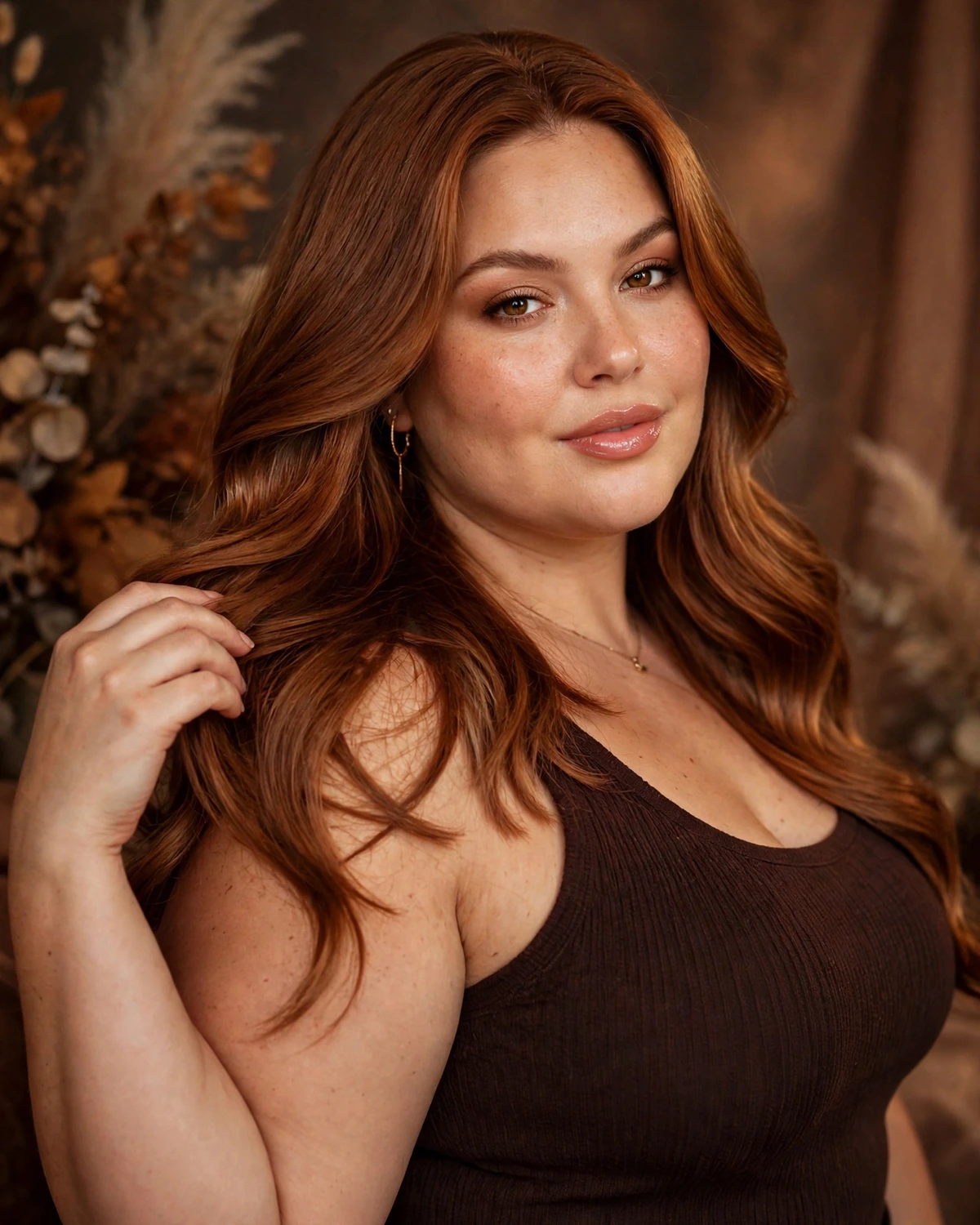
This technique requires a stylist who understands how your hair falls when it is loose and tied up. Ask how the shorter underlayer will appear in a ponytail, because it may become visible when the hair is gathered. The amount removed should be modest enough to preserve the outer silhouette. For everyday styling, you can wear the hair smooth or create soft waves without worrying about every layer matching perfectly. It is a practical, understated choice for anyone who wants to keep length but reduce the weight of a dense haircut.
18. Ear-Length Crop With a Sculpted Fringe
An ear-length crop creates a compact silhouette that exposes the ears while keeping a shaped fringe at the front. The fringe may be short and textured or slightly longer and curved, depending on your style preference. This haircut feels more deliberate than a generic short crop because the relationship between the fringe, temples, and nape defines the whole look. It is ideal if you enjoy statement hair and want a shorter style that can be worn sleek or slightly tousled.

Ask your stylist to consider your natural hairline and the direction in which the fringe grows. A small amount of extra length can make the front easier to style, while a shorter fringe creates a bolder finish. Use a lightweight styling cream to keep the shape flexible rather than stiff. The sides can be tucked neatly behind the ears, and small accessories can add personality without competing with the cut. Since this haircut has little length to disguise uneven growth, regular maintenance helps preserve its clean, sculpted appearance.
19. Long Hair With a Soft, Rounded Back Shape
A rounded back shape gives long hair a smooth, curved outline instead of a pointed or sharply angled finish. The front can remain relatively long, while the back is trimmed to form a gentle arc that looks balanced when the hair falls naturally. This is a good option for women who want to maintain length but prefer a softer perimeter that works with everyday styling. It is particularly useful if you frequently wear your hair loose and want the ends to look intentional from behind.
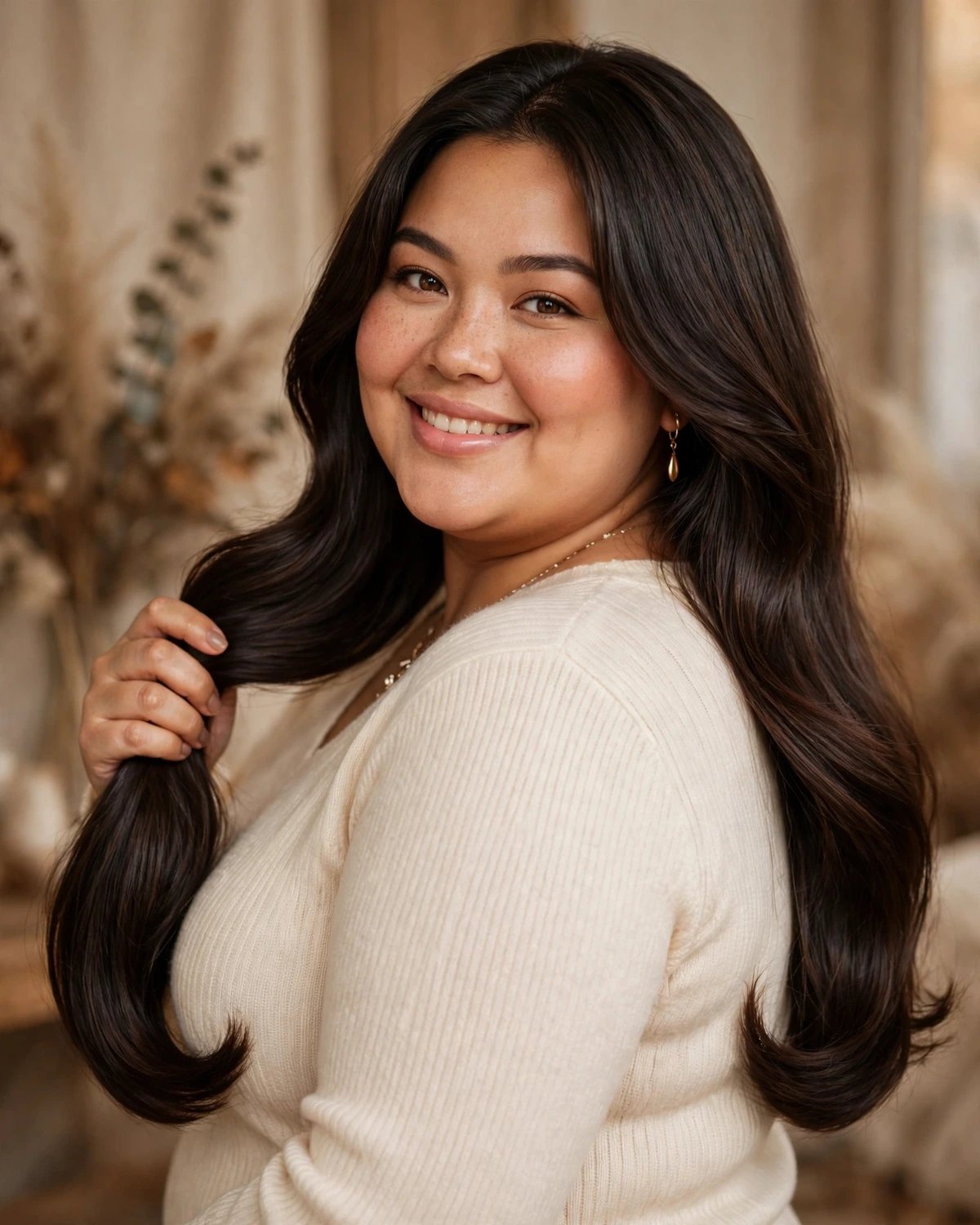
Ask your stylist to establish the rounded outline before deciding whether any layers are necessary. If you have fine hair, preserving density at the ends may be more important than adding movement. Thicker hair may benefit from a small amount of internal shaping to help the perimeter fall smoothly. A simple blow-dry can show the curve, while loose waves create a softer finish. This haircut is easy to adapt as your hair grows, and it pairs well with ponytails, half-up styles, and uncomplicated fall accessories.
20. Modern Shaved-Side Cut With a Swept Top
A shaved-side cut creates a strong contrast between one closely cropped side and a longer section swept across the top. It is the most daring option in this collection and suits women who enjoy a bold, individual style rather than a conventional silhouette. The longer top can be worn sleek, textured, or curled, giving the haircut more versatility than its dramatic outline might suggest. You can also adjust the amount of shaved area, from a narrow panel near the ear to a more visible side section.

Before choosing this cut, discuss how the shaved area will grow out and how frequently you are willing to maintain it. The longer section should be shaped to fall comfortably over the shorter side without requiring constant repositioning. Styling paste can add texture, while a smoothing product creates a cleaner, more polished sweep. If you want to test the look first, try pinning one side close to the head to preview the effect. This haircut is about personal expression: the right version is the one that feels exciting and wearable to you.
How to Choose a Haircut That Feels Right for You
Start with your own preferences rather than assuming that plus-size women should follow one specific set of haircut rules. Consider whether you like hair around your face, prefer your ears exposed, enjoy volume, or want a neat shape that requires very little daily styling. Your face shape and features can help guide decisions, but they should not limit your choices. A stylist can adjust the length, fringe, graduation, and perimeter to suit your proportions and the way you naturally wear your hair.
Next, be realistic about maintenance and texture. A sculpted crop may need regular trims, while long one-length hair can be easier to grow out. Natural curls may require a cut designed around shrinkage, and thick hair may need selective weight removal rather than aggressive thinning. Bring reference photos that show the front, sides, and back, then discuss what can be adapted for your hair. The best haircut should make you feel comfortable, expressive, and confident on ordinary days—not just immediately after leaving the salon. For cut ideas by face shape, try our fall haircuts for oval faces.
Final Thoughts
Fall 2026 is a great time to choose a haircut that reflects your personality instead of following restrictive beauty rules. From a sculpted natural cut and graduated wedge to a long, clean perimeter or a bold shaved-side style, these 20 ideas offer different lengths, textures, and levels of statement. You do not need to hide your features or choose a particular silhouette because of your body size. Focus on the shape you love, the texture you have, and the routine you can maintain. A thoughtful haircut can be stylish, practical, and unmistakably yours. For more cut ideas, explore our fall haircuts for women and fall medium haircuts, or browse the full fall hairstyles roundup.