Fall Haircuts for Square Faces 2026: 17 Soft, Chic Styles to Try
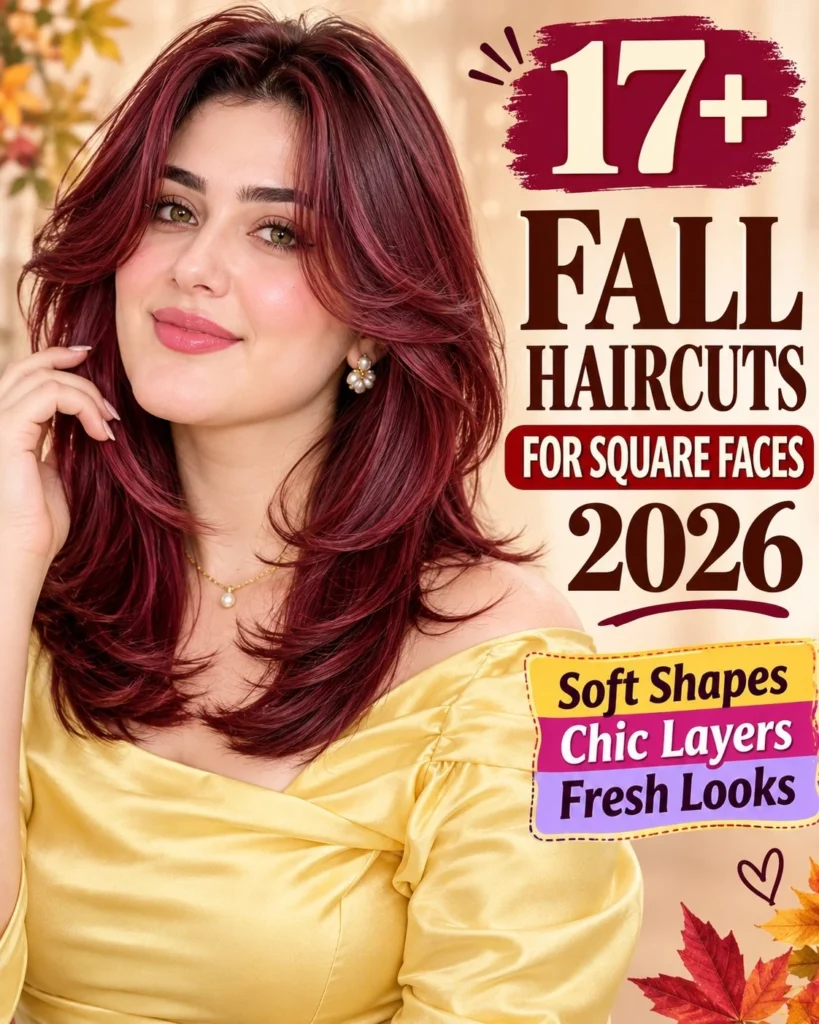
Fall haircuts for square faces work with a naturally defined structure, often featuring a broad forehead, pronounced cheekbones, and a jawline with a strong outline. Rather than trying to hide these features, the right haircut can create a beautiful balance between definition and softness. For fall 2026, flattering haircut ideas include flowing side sections, airy fringe, curved perimeters, and carefully placed layers that move naturally around the face.
There is no single haircut that every square face needs. Your hair texture, preferred length, natural parting, and daily styling routine matter just as much as your face shape. You might love long, flowing hair, a polished mid-length cut, or a shorter style with a little attitude. These 17 ideas explore different silhouettes and cutting techniques, giving you fresh options that feel modern, wearable, and personal. For other face shapes, see our fall haircuts for oval faces and fall haircuts for long faces.
1. Crescent Layers With Curved Cheekbone Framing
Crescent layers create a curved frame around the face, beginning near the cheekbones and gradually blending into longer lengths. Instead of forming sharp, disconnected steps, the sections follow a soft arc that gives the haircut a flowing appearance. This can be especially appealing for square faces because the curved lines introduce movement around the temples and cheeks without making the hairstyle look overly layered. The overall length can remain long, medium, or somewhere between the shoulders and chest.
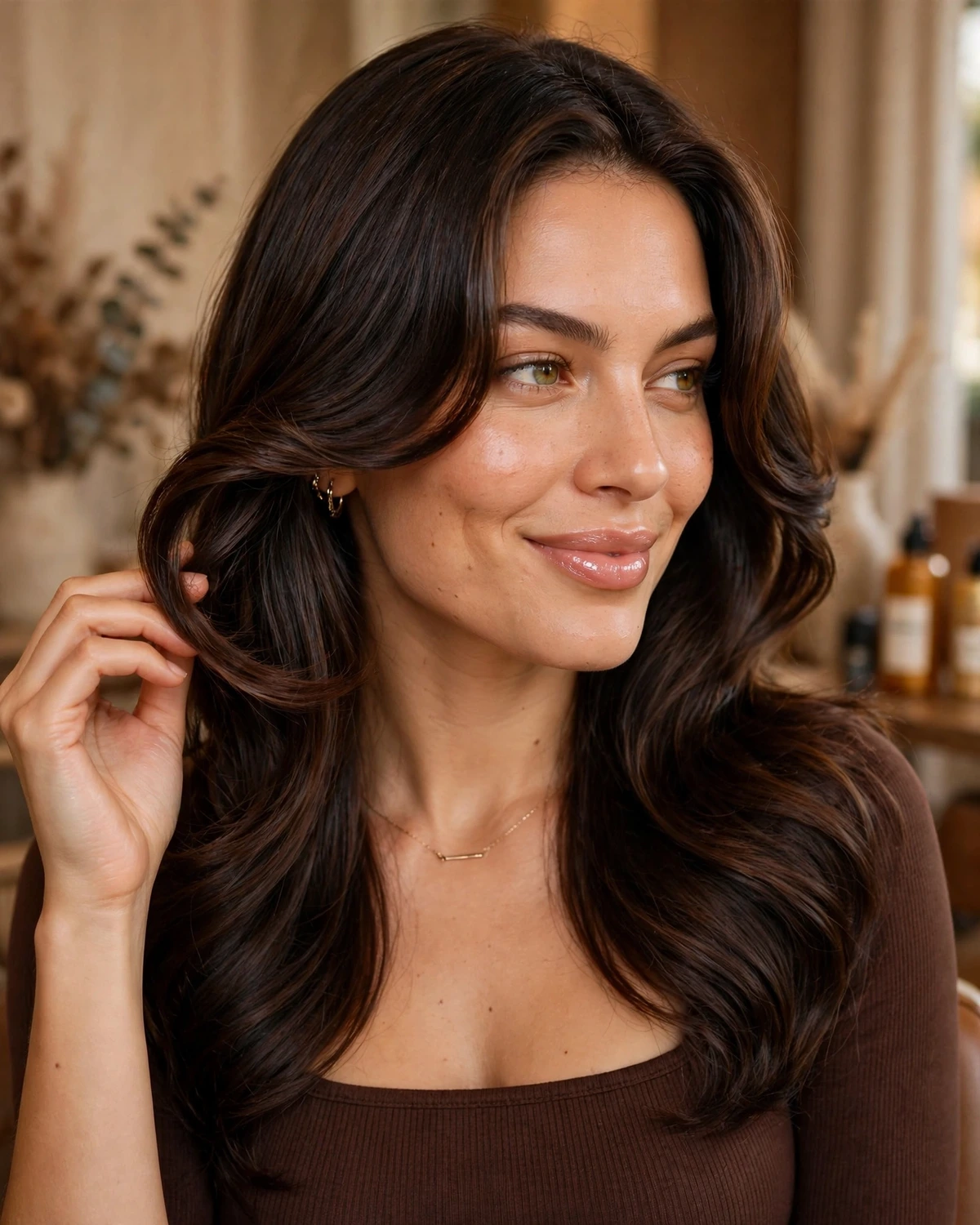
Ask your stylist to create a crescent-shaped transition that blends seamlessly into the back. The shortest sections should be long enough to move comfortably rather than sitting awkwardly across the cheeks. For styling, use a round brush to curve the front pieces gently away from the face, then leave the remaining lengths relatively relaxed. This cut looks beautiful with straight hair, loose waves, or a soft blowout. Its appeal comes from the shape itself, not from needing perfectly curled ends every morning.
2. Airy Side-Swept Fringe With a Midi Cut
A side-swept fringe changes the way the forehead is framed without creating the solid horizontal line of a full, blunt fringe. Paired with a mid-length cut, it introduces a diagonal line that can soften the overall appearance of a square face. The fringe blends into the longer side sections, while the rest of the hair falls around the shoulders. This is a useful option if you want a visible change but do not want to sacrifice much length or commit to a demanding haircut.
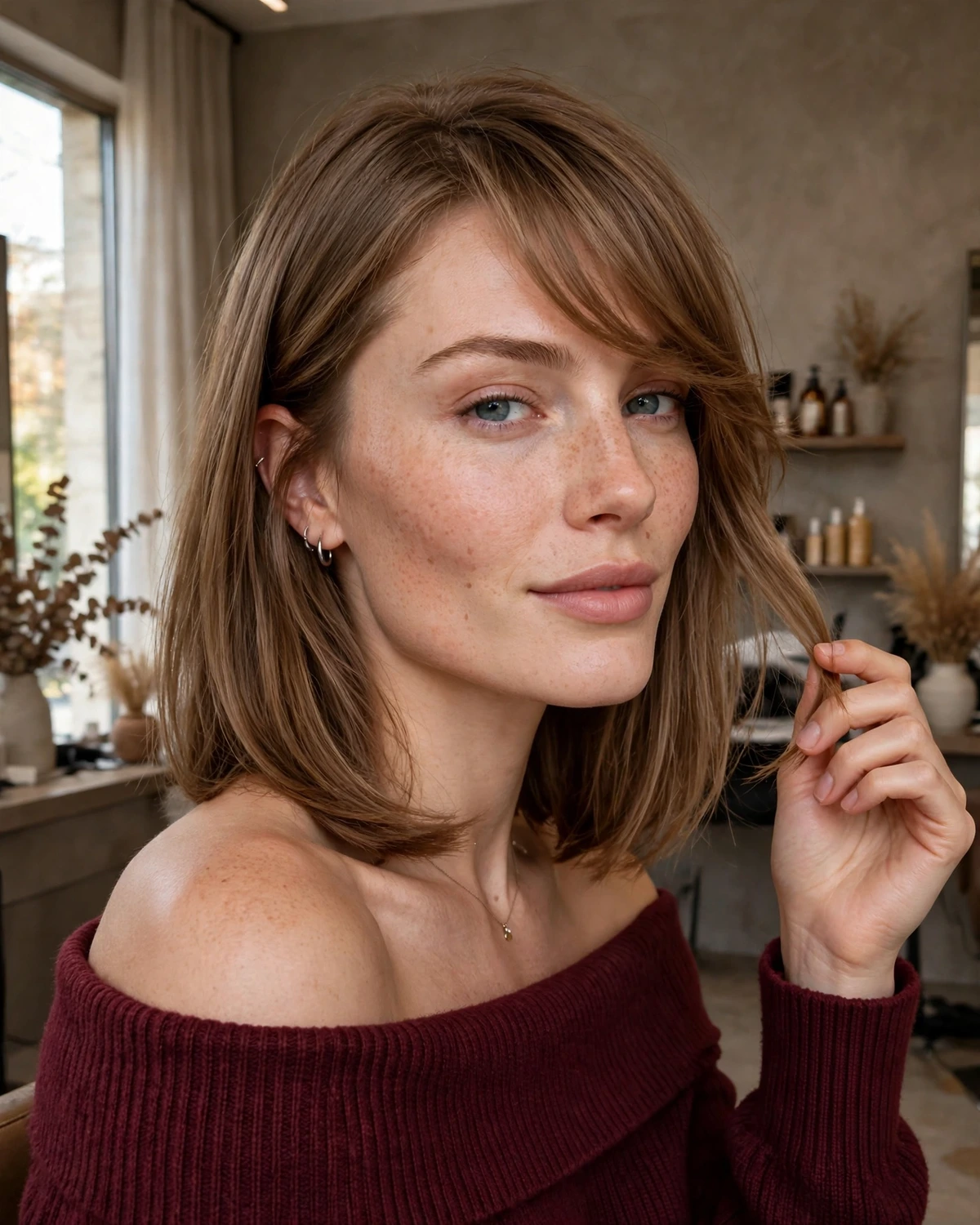
Ask for the fringe to be feathered lightly at the ends and connected to the surrounding hair. Its starting point should work with your natural parting so you do not have to fight your roots every day. A paddle brush can help direct the fringe diagonally while keeping it smooth, and a little lightweight styling cream can control flyaways. Wear the rest of the cut straight for a refined look or add loose bends for a softer finish. The result feels chic without appearing overly arranged.
3. Rounded Clavicut With Softly Turned Ends
A clavicut finishes around the collarbone, offering more length than a traditional short bob while still feeling fresh and manageable. In this version, the perimeter is shaped into a gentle curve instead of a perfectly straight line. That small adjustment gives the hair a softer outline around the neck and shoulders. For a square face, the length offers flexibility: the front can be worn forward to frame the cheeks or tucked back when you want a cleaner, more open look.

Ask your stylist to preserve fullness through the ends and create only enough shaping to achieve the rounded finish. Excessive thinning may make the outline look uneven, especially if your hair is fine. For everyday styling, blow-dry the ends with a slight inward or outward turn, depending on your preference. You can also wear the cut with natural texture and let the curved perimeter do the work. This is an excellent option if you want a polished haircut that does not depend on elaborate layering.
4. Long Butterfly-Free Feathered Layers
Feathered layers offer movement without relying on the dramatic short-to-long contrast associated with a butterfly cut. The lengths are gently tapered so individual sections blend into one another, creating a light, flowing finish through the mid-lengths and ends. On a square face, carefully placed side layers can soften the transition between the forehead, cheeks, and jaw while allowing the overall hairstyle to remain long. This is ideal if you love your length but feel that one solid curtain of hair looks too heavy.
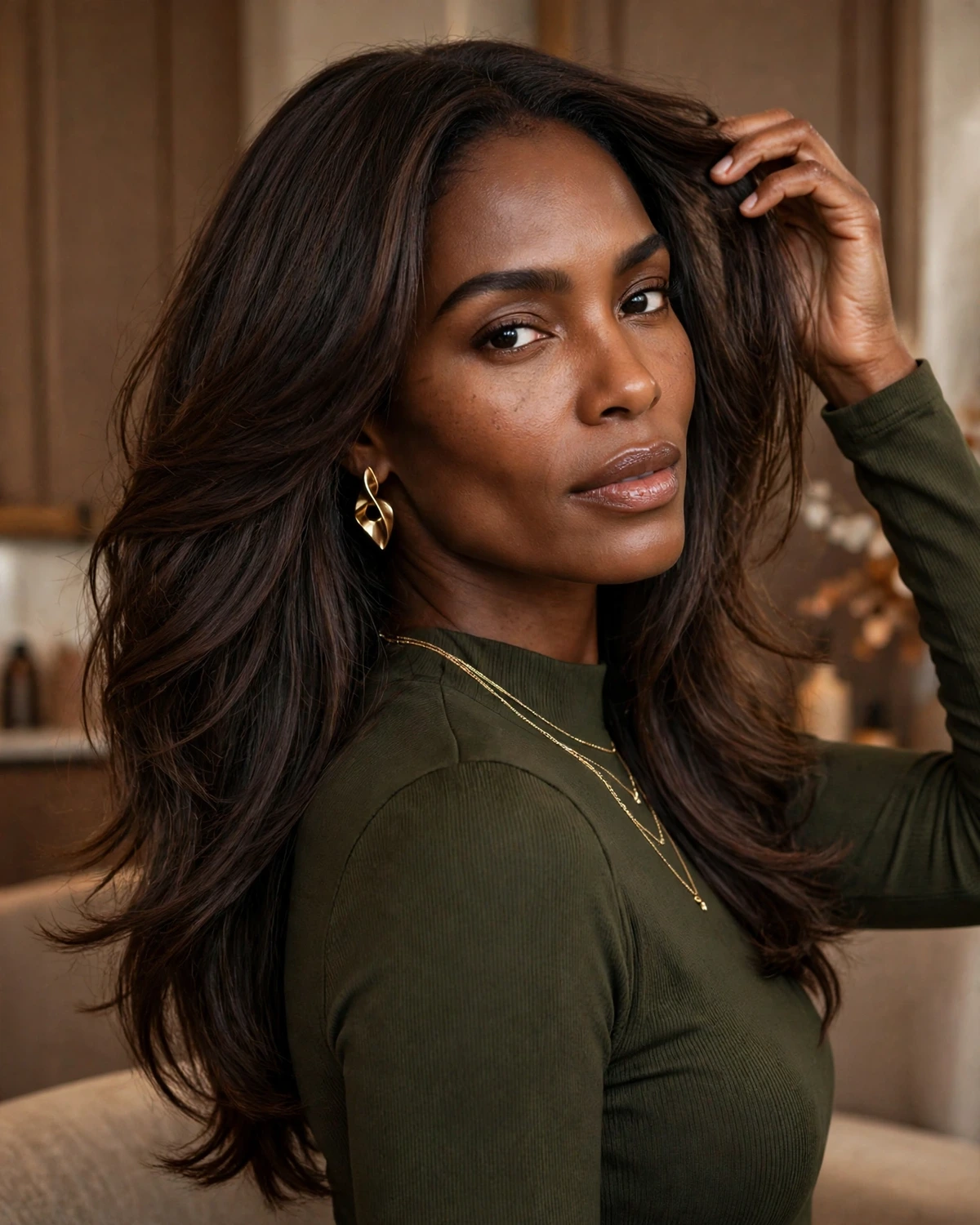
Ask for long, blended feathering rather than short, choppy pieces around the crown. The shortest layers should be positioned according to your hair density and preferred styling direction. If your hair is thick, subtle weight removal can help the lengths move; if it is fine, keeping the ends substantial will help maintain fullness. A large round brush creates a soft, flowing finish, while a few loose waves can reveal the different lengths. The result is airy and elegant without looking excessively layered.
5. Soft A-Line Cut With a Longer Front
A soft A-line haircut is shorter at the back and gradually becomes longer toward the front. Unlike an extreme angled bob, this version uses a modest difference in length, allowing the shape to feel contemporary rather than severe. The longer front sections create a diagonal frame beside the face, while the back remains neat and lightweight. For a square face, this can introduce a graceful line around the jaw without requiring a heavy fringe or dramatic texture.

Ask your stylist to keep the angle subtle and make sure the front sections sit naturally when your hair is dry. The cut should not feel too sharp if your preference is a softer finish. Straight hair will show the graduation clearly, while a slight wave can make it look more relaxed. Use a heat protectant before blow-drying and guide the front sections into a smooth curve. If you like a little more movement, ask for minimal internal shaping that does not disturb the overall A-line outline.
6. Long Swooping Fringe With Mostly One-Length Hair
If you want to keep your hair long, a swooping fringe can create a completely different frame without changing the length of the back. The fringe begins deeper on one side and sweeps across the forehead before blending into the rest of the hair. Because the main length remains relatively solid, the look feels polished and substantial rather than heavily layered. The diagonal front section can introduce softness around the upper face while allowing your natural jawline to remain visible.
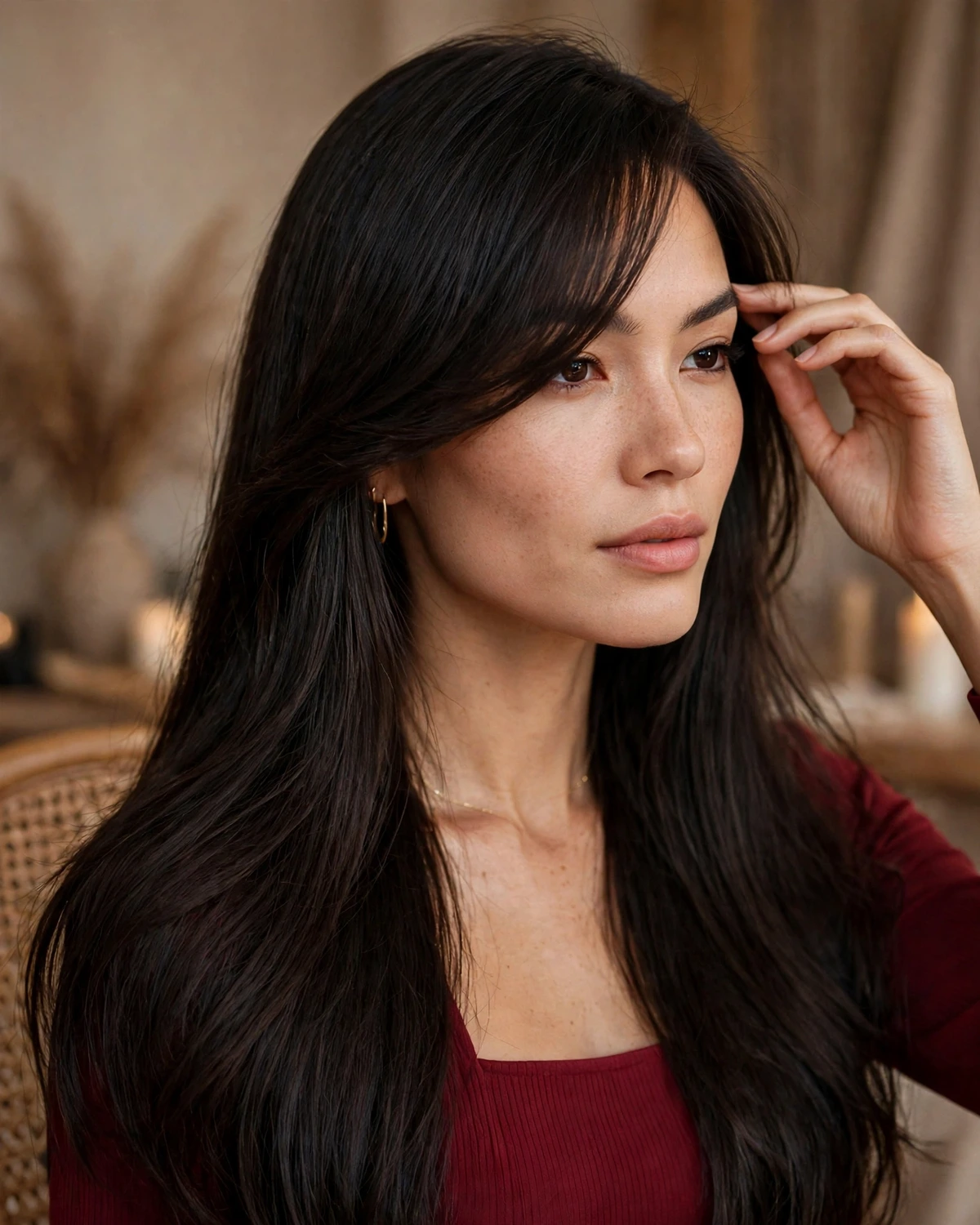
Ask for the fringe to connect gradually with the longer side pieces, avoiding a sudden gap between the front and the rest of the haircut. This style works best when the fringe can follow your natural parting with minimal effort. Blow-dry it from side to side before directing it into the preferred position. A light styling lotion can help maintain the sweep without making the hair stiff. When you want a different look, pin the fringe back or blend it into a loose side braid while leaving the rest of your hair down.
7. Rounded Pixie With a Soft Nape
A rounded pixie offers a short silhouette without the hard, closely cropped outline of an ultra-short cut. The crown and sides blend into one another, while the nape is shaped neatly to create a soft curve at the back. This style allows the face to remain visible, but the rounded edges and flexible top prevent the haircut from feeling too severe. It is an appealing choice if you want a short style that looks deliberate, feminine, and easy to adapt to different occasions.
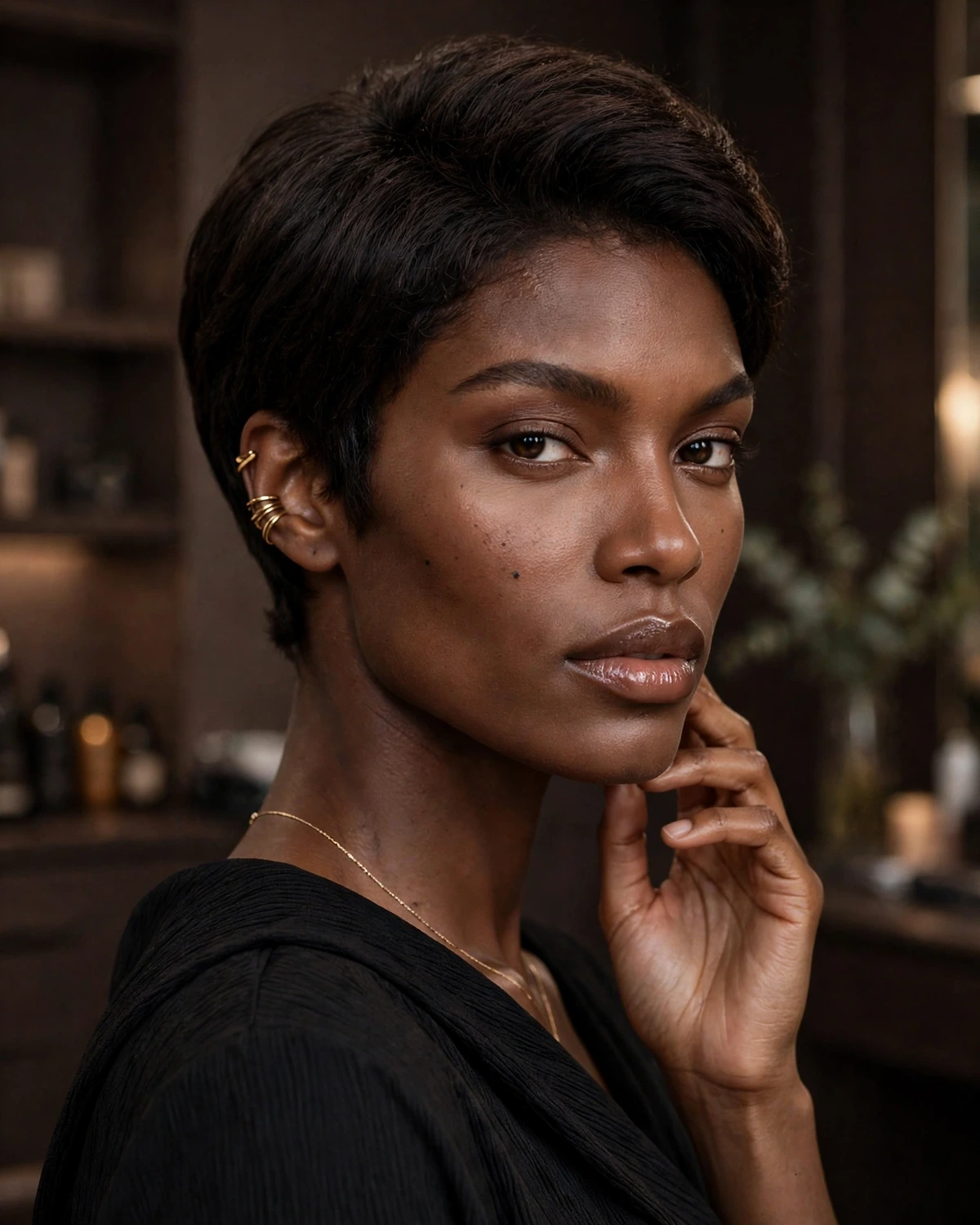
Ask your stylist to keep enough length around the temples and crown to create a smooth transition. A little softness near the ears can make the cut feel more personal than a very tight crop. For styling, use a small amount of lightweight cream to direct the top into place, or add a touch of matte paste for separation. The shape can be worn sleek for a refined finish or gently tousled for a more relaxed appearance. Regular trims will help maintain the rounded silhouette.
8. Long Side Layers With a Diagonal Parting
A diagonal parting shifts the visual direction of a hairstyle without requiring a dramatic cut. Combined with long side layers, it creates an asymmetrical frame that moves across the forehead and down toward the shoulders. The hair on one side can appear fuller, while the opposite side opens up slightly, giving the overall look a more dynamic outline. This is particularly useful if you prefer long hair and want to introduce softness through styling and strategic shaping rather than removing significant length.
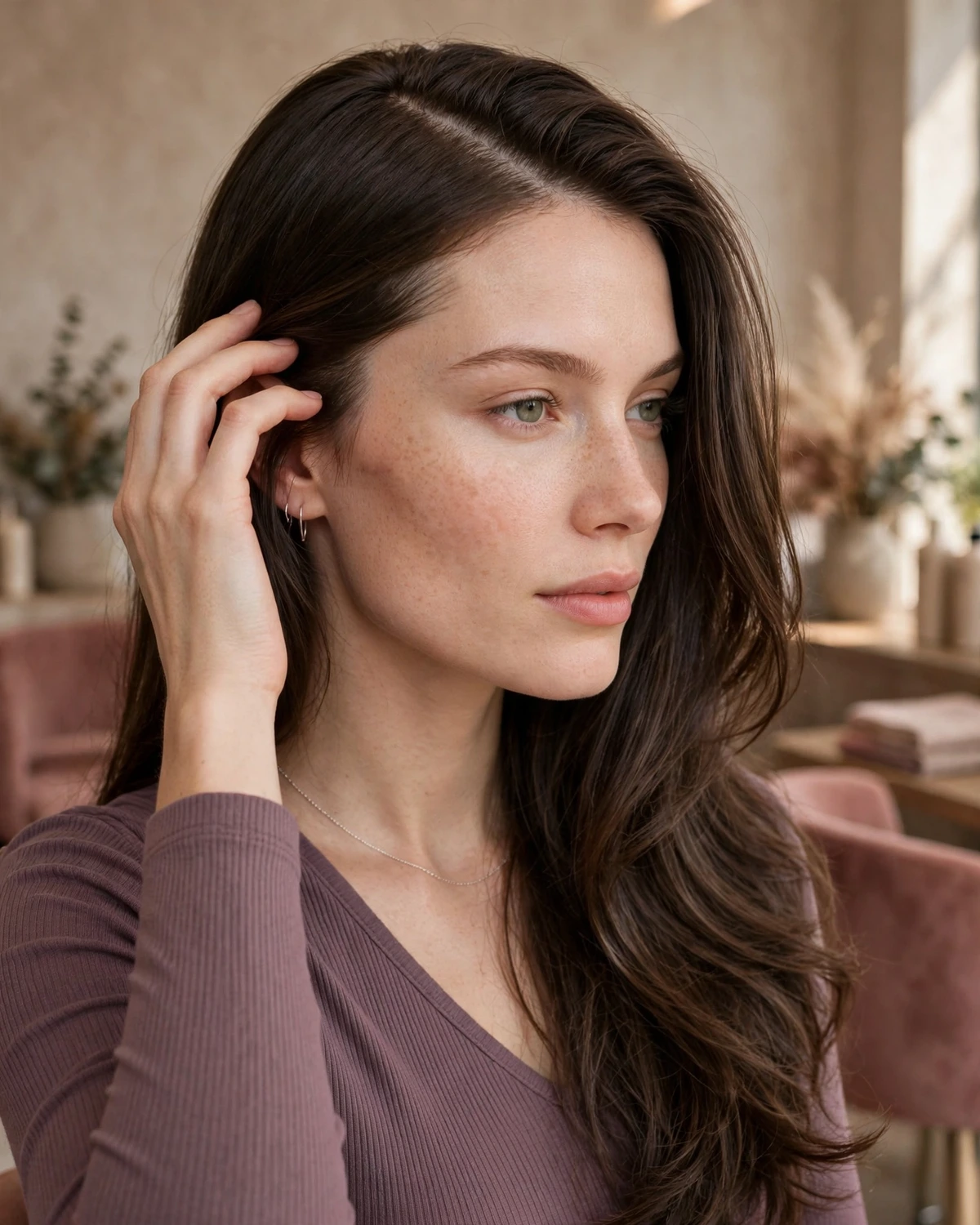
Ask for long layers that blend into the ends instead of creating short sections around the cheeks. The diagonal part should complement your natural growth pattern so the style remains comfortable throughout the day. For a smooth finish, blow-dry the roots in the direction opposite your final part before settling the hair into place. If you prefer natural texture, use a light cream and let the layers fall freely. This cut is flexible enough for everyday wear, special occasions, and simple half-up hairstyles.
9. Soft Shag With Long, Separated Ends
A soft shag creates movement through carefully distributed layers, but the most wearable version does not need an exaggerated crown or extremely choppy ends. Long, separated sections give the hair texture while allowing the overall shape to remain fluid. For a square face, the combination of movement and softer side sections can create a less rigid frame without disguising the jawline. This style works particularly well if you enjoy a slightly undone appearance and want your hair to have personality even when it is not perfectly styled.
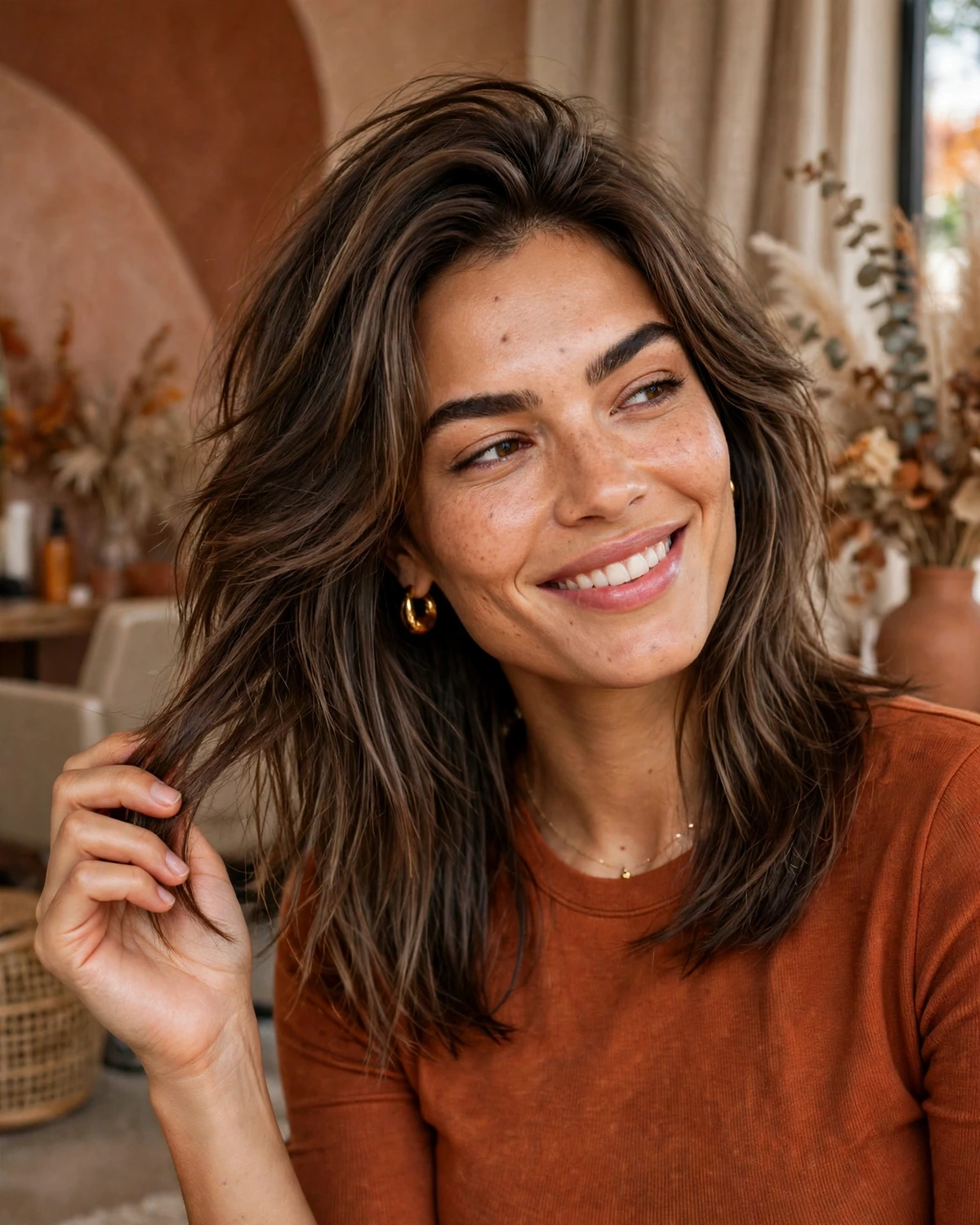
Ask your stylist to keep the shortest layers controlled and avoid removing too much weight from the lower lengths. A subtle fringe can be added if you like, but the shag can also work with an open forehead. For natural waves, scrunch a small amount of texturising cream into damp hair and allow it to dry. Straighter hair can benefit from a few loose bends through the middle and ends. The finished look should feel touchable and individual rather than excessively messy.
10. Mid-Length Cut With a Soft Side Undercurve
This haircut uses a gentle undercurve through the front sections, allowing the hair to move inward slightly as it reaches the shoulders. The back remains relatively simple, so the overall style does not depend on obvious layers. The curved front creates a softer transition around the sides of a square face, while the mid-length silhouette keeps the hair easy to manage. It is a good option if you prefer a smooth, understated haircut with a little more shape than a straight, one-length cut.

Ask your stylist to create the curve through the cutting line rather than relying entirely on heat styling. The front should sit naturally when the hair is air-dried, even if the finish is less pronounced. A round brush can enhance the inward movement for a polished look, while a flat brush produces a more relaxed result. This haircut suits straight and lightly wavy hair especially well. If your hair is thick, subtle internal shaping can help the front sections settle without creating thin or uneven ends.
11. Long Hair With a Softly Rounded Fringe
A softly rounded fringe follows the natural curve of the forehead, with the centre slightly shorter and the outer sections gradually extending toward the temples. It offers more coverage than a side-swept fringe but feels gentler than a heavy, straight-across bang. Paired with long hair, it creates a defined focal point while preserving the length and versatility of the rest of the haircut. For a square face, the curved fringe introduces a softer line across the forehead without relying on a completely straight edge.
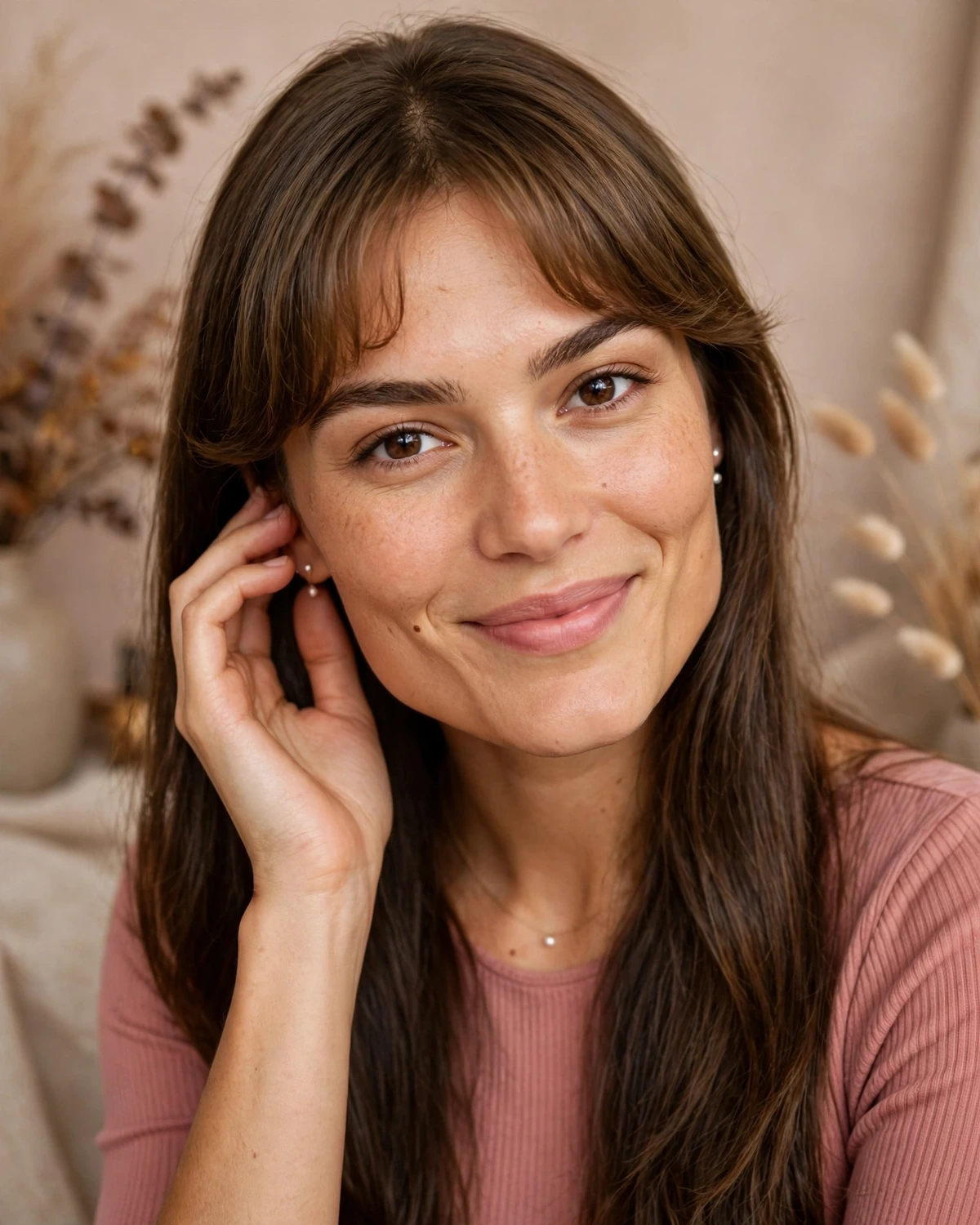
Ask for a light-to-medium density fringe that suits your hairline and styling habits. If your hair naturally separates at the front, your stylist may need to adjust the length and direction to help it sit correctly. Use a small round brush to guide the fringe into a soft curve, avoiding excessive lift if you prefer a flatter finish. Keep the longer lengths simple so the fringe remains the main feature. This haircut can look polished with straight hair or more relaxed when paired with loose, natural waves.
12. Neck-Length Cut With Piecey Side Panels
This neck-length haircut combines a neat back with longer, separated panels around the sides. The panels create a little movement near the cheeks and jaw, while the shorter back keeps the shape lightweight and practical. Unlike a strongly stacked cut, the graduation is restrained, so the outline remains soft rather than sharply sculpted. It is a useful option if you want a shorter haircut that still offers enough length to tuck one side behind your ear or style the front away from your face.
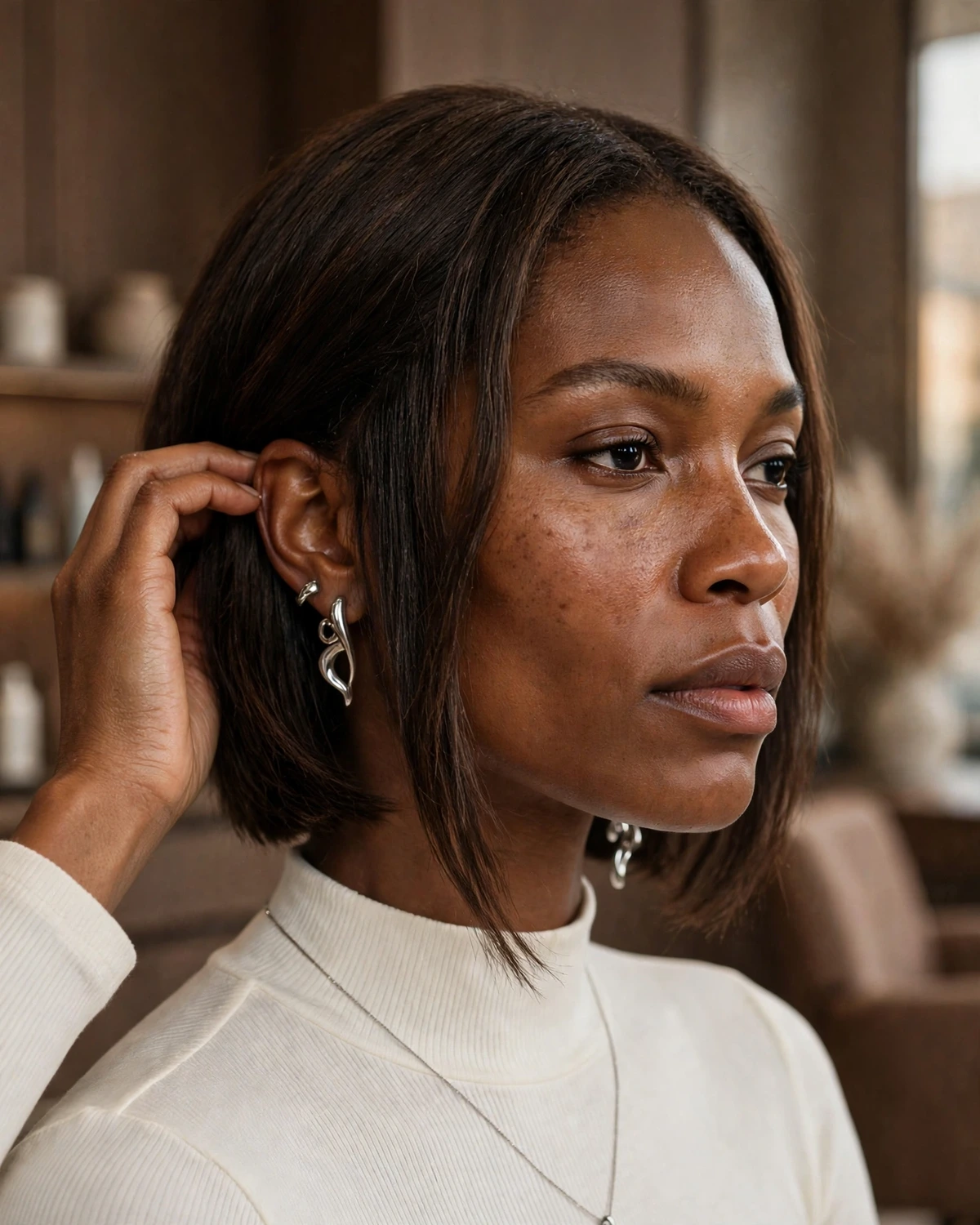
Ask your stylist to create side panels that blend into the perimeter without leaving obvious steps. The length should be adjusted to your natural hair texture because waves can make the front pieces sit higher than expected. A smoothing cream will help define the outline, while a small amount of texturising product can separate the ends. You can wear the panels forward for a face-framing effect or tuck them back for a more open appearance. This versatile cut gives you two distinct styling moods without requiring a major restyle.
13. Curly Cut With an Elongated Side Shape
A curly cut with an elongated side shape allows natural curls to create a flowing outline rather than a perfectly round silhouette. The stylist keeps selected sections longer so the curls fall diagonally around the face, while other areas are shaped to prevent the overall cut from becoming too heavy. This can be a beautiful choice for square faces because it introduces natural curves and movement without forcing curls into a uniform pattern. The result celebrates texture while giving the haircut a distinct direction.
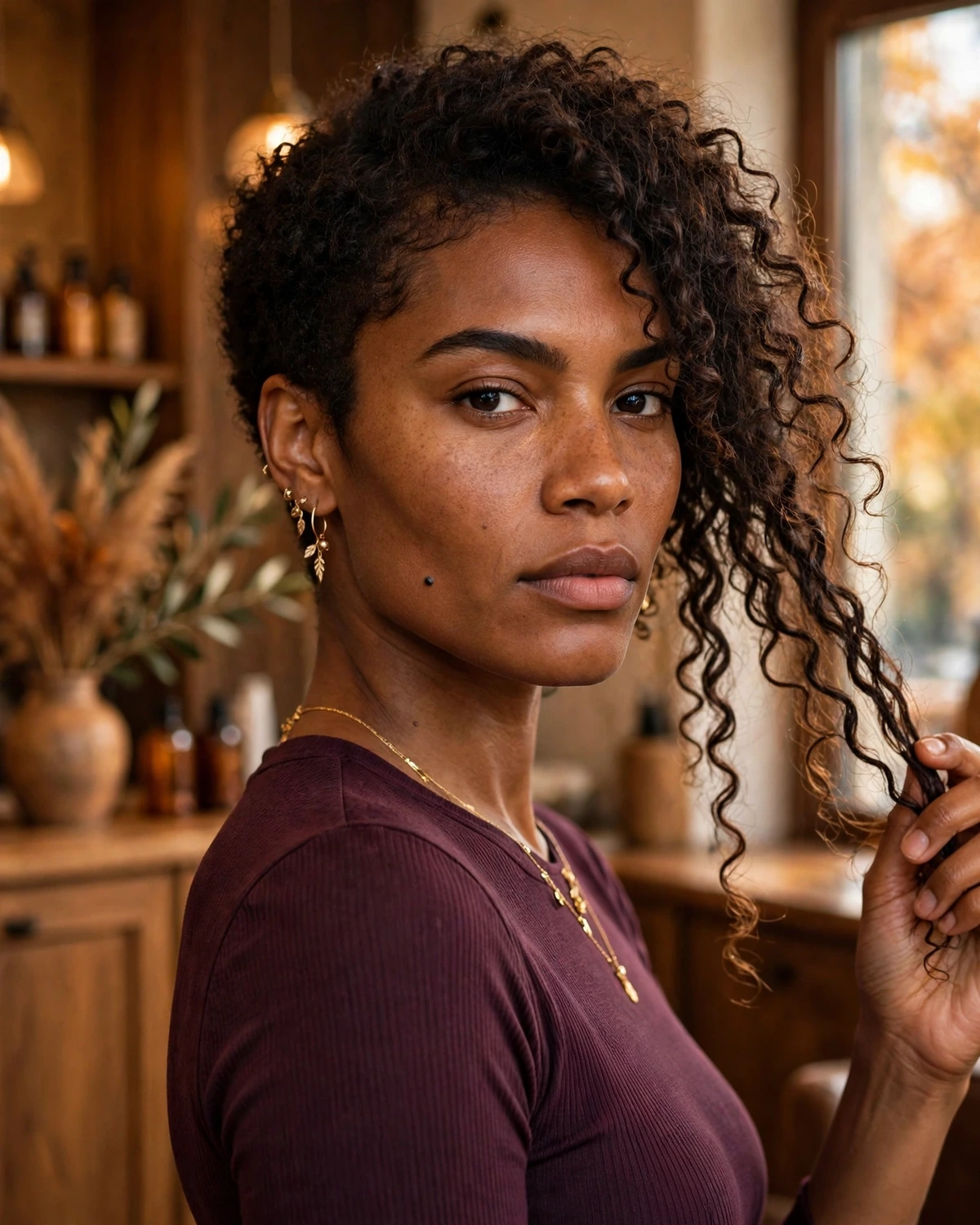
Ask for the cut to be assessed with your curls in their natural state, taking shrinkage and curl density into account. The longer side should not be created by leaving one section awkwardly disconnected; it needs to blend into the rest of the shape. Use a leave-in conditioner and curl cream to encourage definition, then diffuse gently or air-dry. Once the curls are dry, separate only the sections that need more movement. A well-shaped curly haircut should feel balanced from multiple angles and remain manageable between salon visits.
14. Soft Tapered Lob With a Broken-Up Perimeter
A tapered lob keeps the convenience of a long bob but adds slight variation to the ends so they do not form one rigid line. The perimeter is softened with carefully placed, small sections rather than aggressive thinning. This creates a more relaxed outline around the shoulders and allows the hair to move naturally. For a square face, the softened edge can complement the jawline without drawing a hard horizontal line across the lower face. It is a practical choice if you want a modern haircut that still feels familiar.

Ask your stylist to preserve enough density at the ends while introducing a subtle, broken-up finish. The goal is texture, not a visibly ragged edge. This shape works on straight and wavy hair, and the styling can be adapted to your routine. Blow-dry with a paddle brush for a sleek finish, or add a few loose bends to emphasise the variation at the ends. A lightweight serum can smooth flyaways without flattening the cut. The result is understated, chic, and easy to wear with fall outfits.
15. Long Layers With a Low, Side-Framing Start
Instead of beginning the shortest layers near the cheekbones, this haircut keeps the upper sections longer and starts the visible framing closer to the lower cheek or jaw. That placement creates a more gradual transition around the face and avoids excessive volume near the temples. It is ideal if you prefer a restrained, elegant look and want your long hair to retain its weight. The lower side layers move naturally with the rest of the length, creating softness without turning the cut into a heavily feathered style.
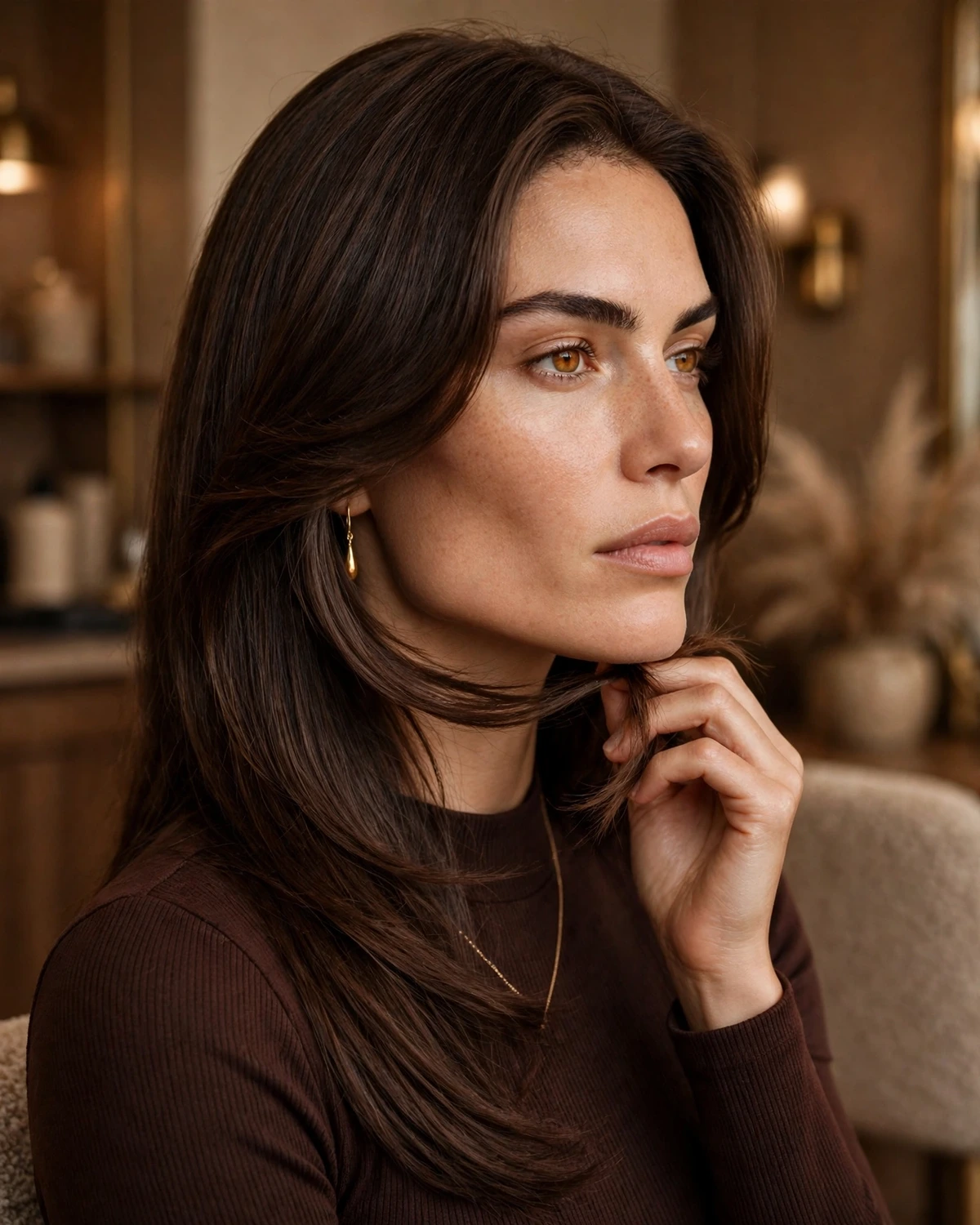
Ask for the shortest face-framing pieces to blend smoothly into the main length and avoid a sharply defined step. This is especially important if you often wear your hair straight, because strong separation can become more noticeable. For styling, create a slight bend through the lower sections with a large-barrel iron, leaving the ends relaxed. If you prefer a natural finish, a smoothing cream can help the layers fall neatly. This haircut gives long hair a subtle shape while keeping the overall silhouette clean and versatile.
16. Softly Disconnected Crop With a Swept Crown
A softly disconnected crop combines a shorter outline with a longer top that moves in a different direction. The difference between the top and sides is visible but blended enough to avoid a harsh, undercut effect. A swept crown adds movement across the upper face, creating an expressive silhouette that feels modern and slightly edgy. For someone with a square face who enjoys short hair, this can be a strong alternative to a uniformly rounded pixie or a conventional crop.
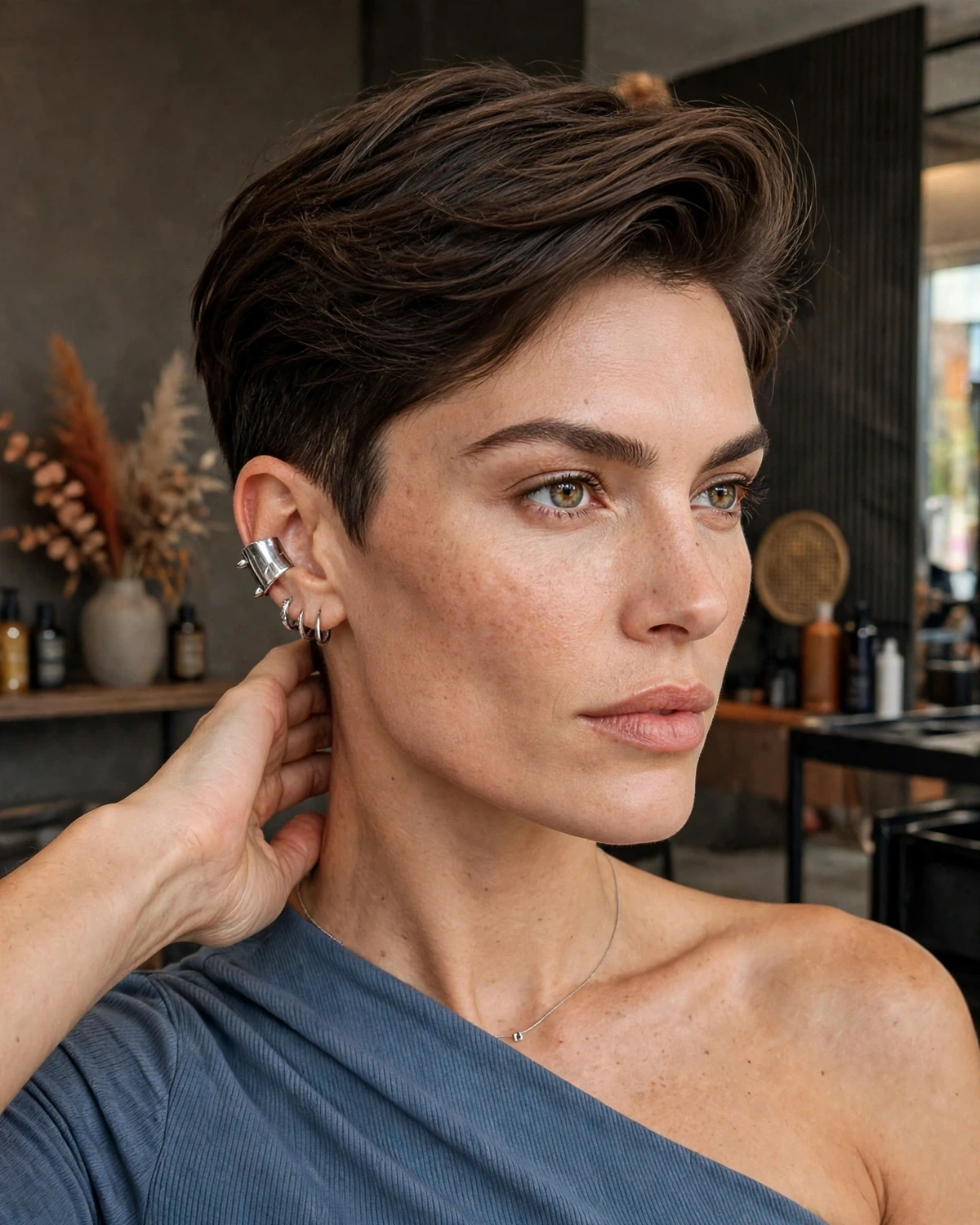
Ask your stylist to choose the amount of contrast according to your hair density and comfort with styling. The longer crown should have enough length to sweep sideways or forward, while the sides remain neat without being excessively tight. Use a light styling paste to separate the top into flexible pieces, or smooth it down for a more polished finish. Because the shape relies on contrast, regular maintenance around the sides helps preserve the design. It is a confident, adaptable haircut for anyone who likes a little edge.
17. Long, Blended Layers With a Soft Off-Centre Part
An off-centre part provides a subtle alternative to a perfectly centred hairstyle. When paired with long, blended layers, it shifts the hair’s weight slightly to one side while preserving a natural, flowing silhouette. The layers should be long enough to move together rather than breaking into distinct sections. This is a useful choice if you love long hair but want a little more softness around the forehead and sides. The off-centre placement creates variation without requiring a fringe or a dramatic change in length.

Ask your stylist to shape the layers around the way your hair falls when parted slightly away from the centre. The transition should remain seamless so you can move the part a little without the haircut looking uneven. For a smooth finish, dry the roots in the opposite direction before placing the part, then brush the lengths into position. Loose waves can add movement, but straight hair also works beautifully with this shape. It is an understated, flexible haircut that can be styled casually or polished for an evening look.
How to Choose a Soft, Flattering Cut for a Square Face
Begin by deciding how much change you actually want. If you love your length, consider long blended layers, a curved fringe, or a diagonal parting before committing to a short haircut. If you prefer medium hair, a rounded clavicut or softly tapered lob can create shape without demanding daily styling. Short hair can be equally versatile: a rounded pixie or softly disconnected crop offers definition, while the details around the temples, fringe, and nape determine whether the finish feels soft or bold.
Your natural texture should guide the cutting technique. Straight hair often reveals the perimeter clearly, so precise shaping matters. Wavy hair can make layers appear shorter and more pronounced, while curls need a stylist who understands shrinkage and natural volume. Bring photos showing the front and side profile, and explain how much time you want to spend styling. Face-shape guidance is a starting point, not a strict rule. The best haircut is the one that suits your hair, lifestyle, and personal taste. For soft framing layers, try our fall face-framing haircuts.
Final Thoughts
Fall is an ideal time to refresh your haircut with a shape that feels soft, modern, and true to you. From crescent layers and a sweeping fringe to a rounded pixie or elongated curly cut, these 17 styles offer different ways to work with a square face without hiding its natural definition. Focus on the silhouette you love, how your hair behaves, and the level of maintenance you can comfortably manage. A thoughtful haircut should feel flattering because it suits you—not because it follows a rigid beauty rule. For more cut ideas, explore our fall bob haircuts and fall haircuts for women, or browse the full fall hairstyles roundup.