Fall & Winter Haircuts 2026: 20 Fresh, Trendy Cuts for a Stylish Seasonal Refresh

Fall and winter haircuts can change the way you feel about your entire look, especially when fall and winter bring cosy outfits, statement coats, and opportunities to experiment with personal style. The most exciting seasonal haircuts are not simply shorter or longer versions of familiar styles. They use thoughtful shaping, interesting proportions, natural texture, and carefully designed outlines to make hair look intentional without requiring hours of styling every morning.
For 2026, a fresh haircut can be soft and understated, sculptural and bold, or somewhere between the two. Some cuts help fine hair appear fuller, while others make thick hair easier to manage or allow natural curls to become the main feature. These 20 ideas explore different silhouettes and cutting techniques, giving you plenty of inspiration to discuss with your stylist and choose a look that genuinely suits your hair. For more specific cuts, see our fall pixie haircuts, fall short haircuts, and fall medium haircuts.
1. The Curtain Crop with a Relaxed Centre Part
The curtain crop is an interesting option for anyone who likes short hair but wants something softer than a traditional pixie. Its defining feature is a longer front section that separates naturally around the forehead, creating a curtain-like shape without requiring a heavy fringe. The sides remain relatively neat, while the crown carries enough length to move freely. This creates an effortless, slightly undone silhouette that feels modern rather than overly polished.

The cut works particularly well when your hair has some natural movement, although straight hair can achieve a similar finish with a little root lift. Ask your stylist to tailor the front pieces to your hairline and preferred parting. A lightweight styling cream can help guide the hair without making it stiff. Because the front remains longer, you can also sweep it sideways on days when you want a different look.
2. The Flixie with Outward-Flicked Ends
A flixie is a playful short cut that combines the compact proportions of a pixie with a slightly grown-out finish. The crown and sides retain enough length for movement, while the ends can be encouraged to flick outward around the ears and nape. Rather than creating a perfectly smooth shape, this haircut embraces little changes in direction, making it feel expressive and easy to personalise.

For styling, use a small round brush to turn selected ends outward, then finish with a lightweight texturising cream. The flicks do not need to match perfectly; a little variation keeps the haircut looking relaxed. Fine hair may benefit from subtle layering to prevent the shape from sitting flat, while thicker hair might need internal weight removal. Regular trims will help preserve the proportions without requiring a complicated daily routine.
3. The Curved Clavicle Cut
The curved clavicle cut falls around the collarbone, but its outline is shaped to follow the natural curve of the shoulders rather than ending in a completely straight line. This small difference gives medium-length hair a more customised appearance. The ends can be slightly shorter around the back or softly angled towards the front, depending on how you prefer the hair to sit when worn loose.
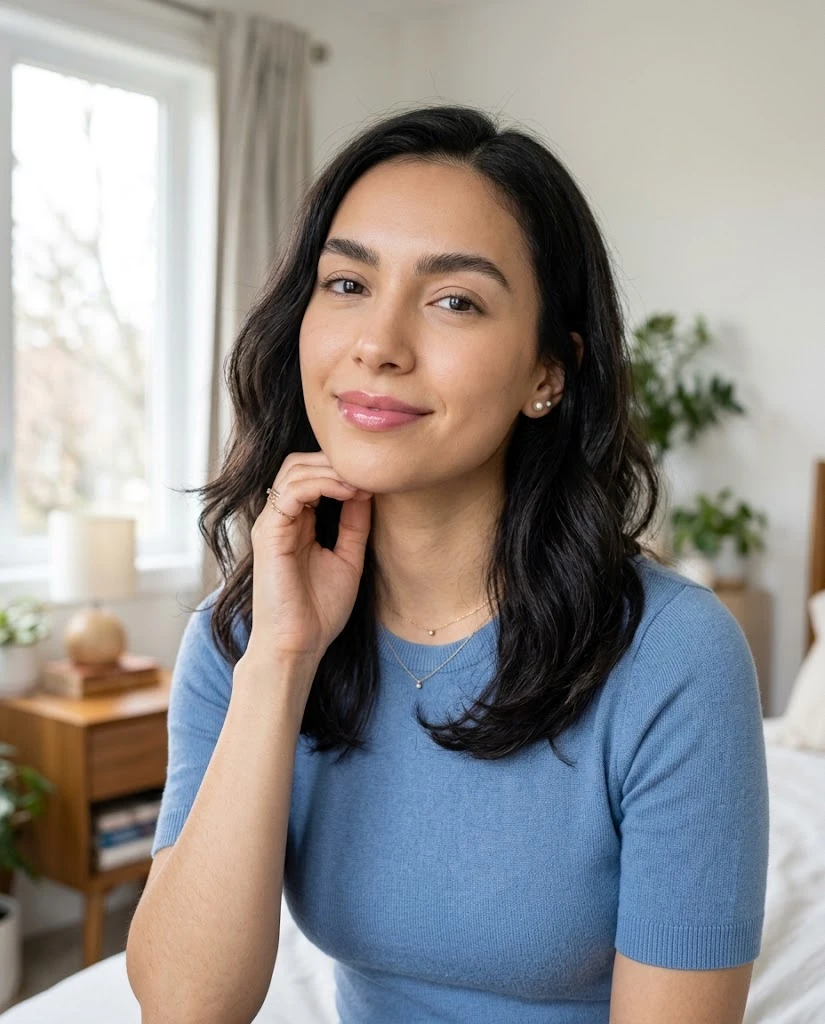
This length offers plenty of flexibility for everyday life because it can be worn down, tied into a low ponytail, or secured in a casual bun. Ask your stylist to consider how your hair bends naturally before deciding on the final perimeter. If your ends tend to flip outward, that movement can become part of the design. A light smoothing lotion or air-drying cream is often enough to keep the shape looking intentional.
4. The Rounded Sculpted Curl Bob
A rounded sculpted curl bob is designed around the natural spring of curly hair rather than treating curls as straight strands that happen to bend. The overall silhouette follows a softly rounded shape, with the volume distributed deliberately around the crown and sides. This makes the curl pattern look more organised while preserving its natural fullness, creating a haircut that feels confident, textured, and beautifully individual.
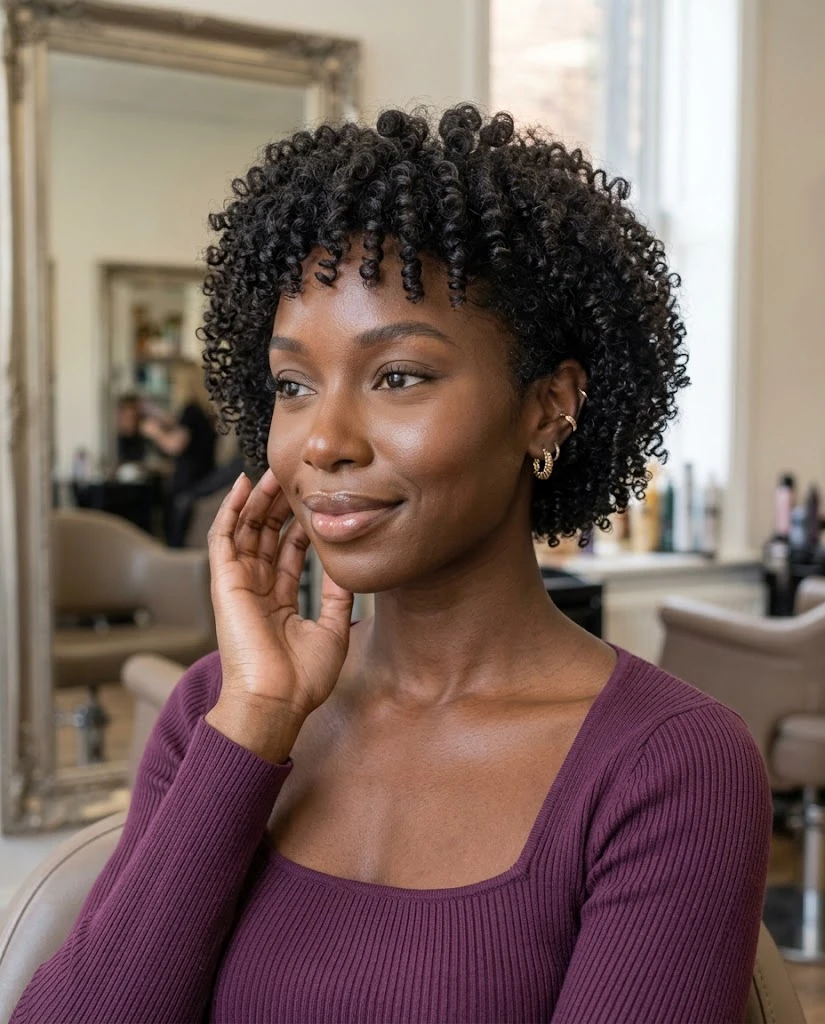
The cut should be planned around how your curls look when dry, because shrinkage can dramatically change the finished length. Ask your stylist to assess the density around the crown and sides before removing too much bulk. A moisturising leave-in product and curl cream can help individual curls form defined groups. Avoid brushing the finished shape aggressively when dry, since that can disrupt definition and create unnecessary frizz.
5. The Offset-Part Precision Cut
An offset-part precision cut creates interest through the relationship between the parting and the haircut’s overall outline. Instead of relying on dramatic layers or a pronounced fringe, the stylist positions the part slightly away from the centre and balances the surrounding lengths to create a subtle difference between the two sides. The result can feel sleek, contemporary, and especially attractive when you prefer a clean finish.
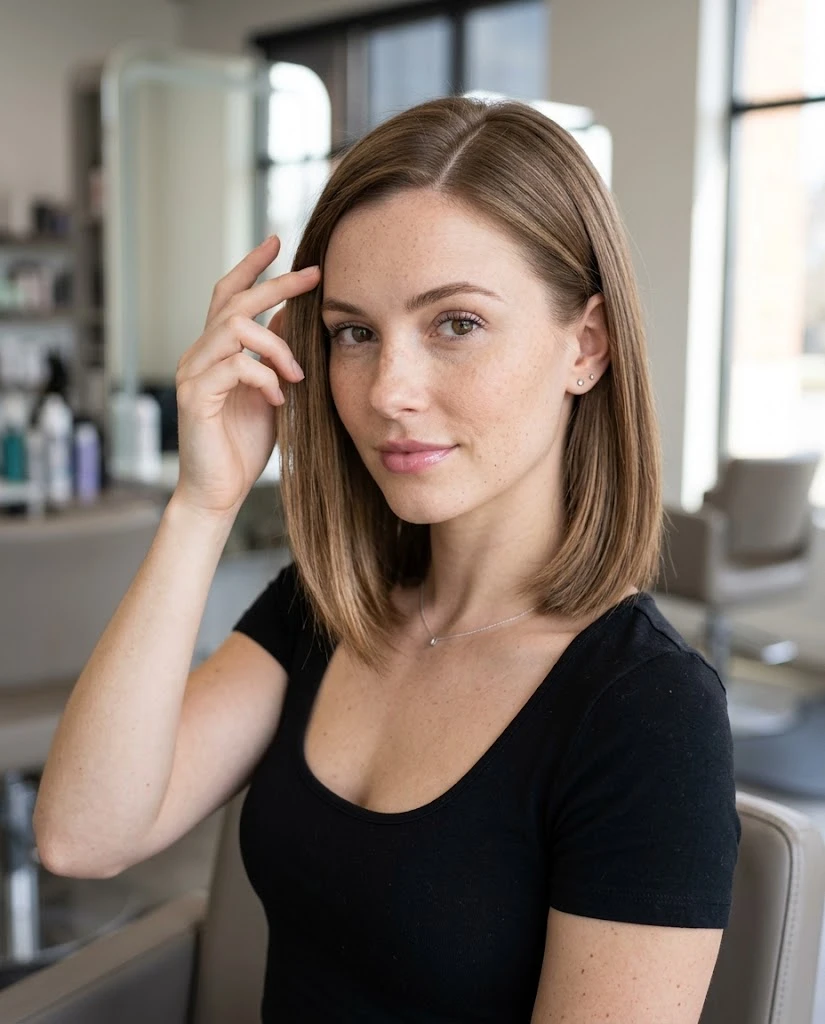
This approach can be adapted to several lengths, from a compact short cut to a longer shoulder-skimming shape. It is particularly useful if your usual centre part feels too predictable but you do not want a major transformation. Ask your stylist to work with your natural growth pattern so the part does not constantly fall back into place. A blow-dry with a paddle brush can help establish the direction, while a small amount of lightweight serum controls flyaways.
6. The Airy Internal-Layer Cut
An airy internal-layer cut is ideal when your hair feels heavy but you do not want obvious steps or short pieces scattered around your face. The stylist removes selected weight from within the haircut while maintaining a relatively continuous outer outline. This creates movement that becomes noticeable when the hair swings or bends, without making the overall style look dramatically layered.

It can be particularly useful for dense, straight, or slightly wavy hair that tends to form a solid shape. However, the technique requires restraint: too much internal removal may make the ends look thin, particularly if your strands are fine. Explain whether your priority is reducing bulk, creating movement, or improving everyday manageability. A simple blow-dry or natural air-dry can reveal the difference without needing elaborate styling.
7. The Softly Graduated Nape Cut
A softly graduated nape cut uses carefully arranged lengths at the back of the head to create a gentle transition from the nape towards the crown. Unlike a sharply disconnected style, the graduation is blended, producing a rounded profile that looks neat from the side and back. It is a useful choice for anyone who appreciates a clean haircut but wants more shape than a uniform short length can provide.
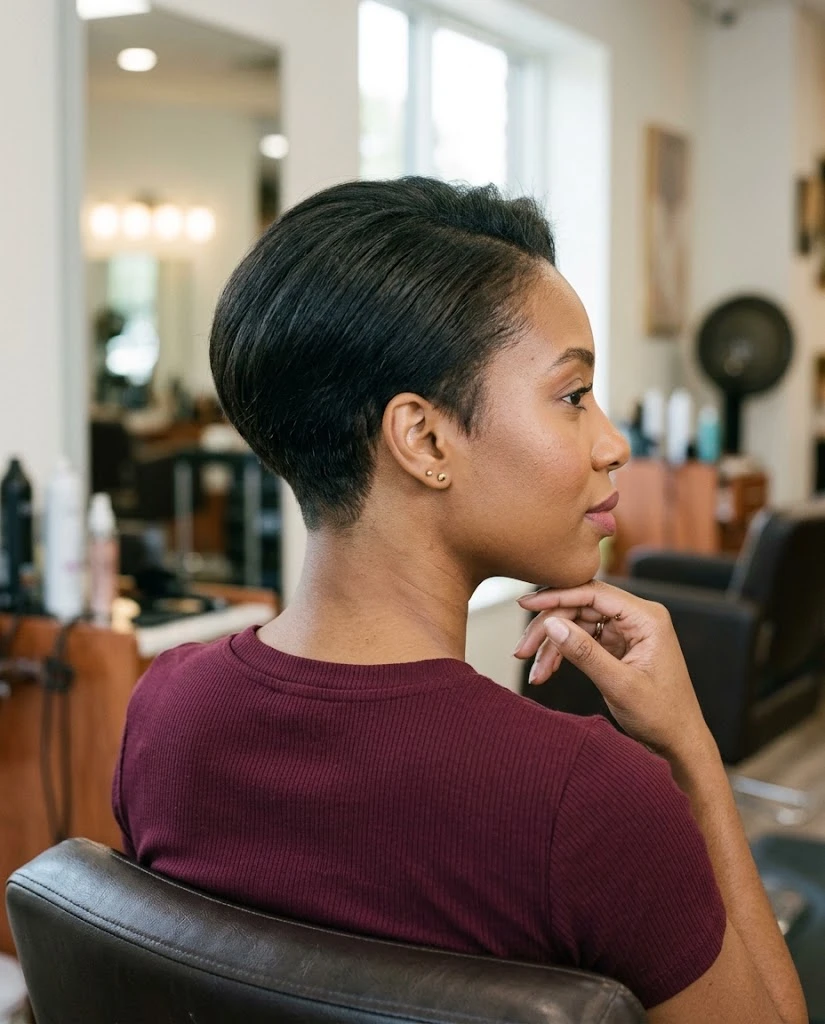
The amount of graduation should depend on your hair density and the outline you want to achieve. Thick hair may need more careful weight distribution, while fine hair often benefits from a conservative approach that preserves fullness. Ask your stylist to show you the back profile before the cut is finished. A quick blow-dry following the head’s natural curve can maintain the shape, and regular trims help prevent the nape from becoming untidy.
8. The Long Haircut with a Floating Perimeter
A floating perimeter is a subtle way to refresh long hair without committing to conventional layers. The ends are shaped to create a soft, mobile outline that shifts naturally as the hair moves, rather than forming a perfectly rigid line. The effect is understated but noticeable, particularly on hair that usually hangs heavily and needs a little more visual lightness.

This technique works best when the stylist preserves enough density through the ends to keep the hair looking healthy and substantial. If your hair is fine, avoid excessive thinning in pursuit of movement. For thicker hair, selective shaping may make the lengths more comfortable to wear. The finished cut can be styled straight, left naturally wavy, or tied back without losing its overall balance. Keeping the ends conditioned helps maintain the soft outline between appointments.
9. The Compact French-Inspired Crop
A compact French-inspired crop focuses on proportion rather than dramatic contrast. The hair sits close enough to the head to create a neat silhouette, but the top and front retain a little softness so the result does not feel severe. A slightly irregular finish around the hairline can make the haircut feel more relaxed, while the overall outline remains tidy enough to look polished with minimal styling.
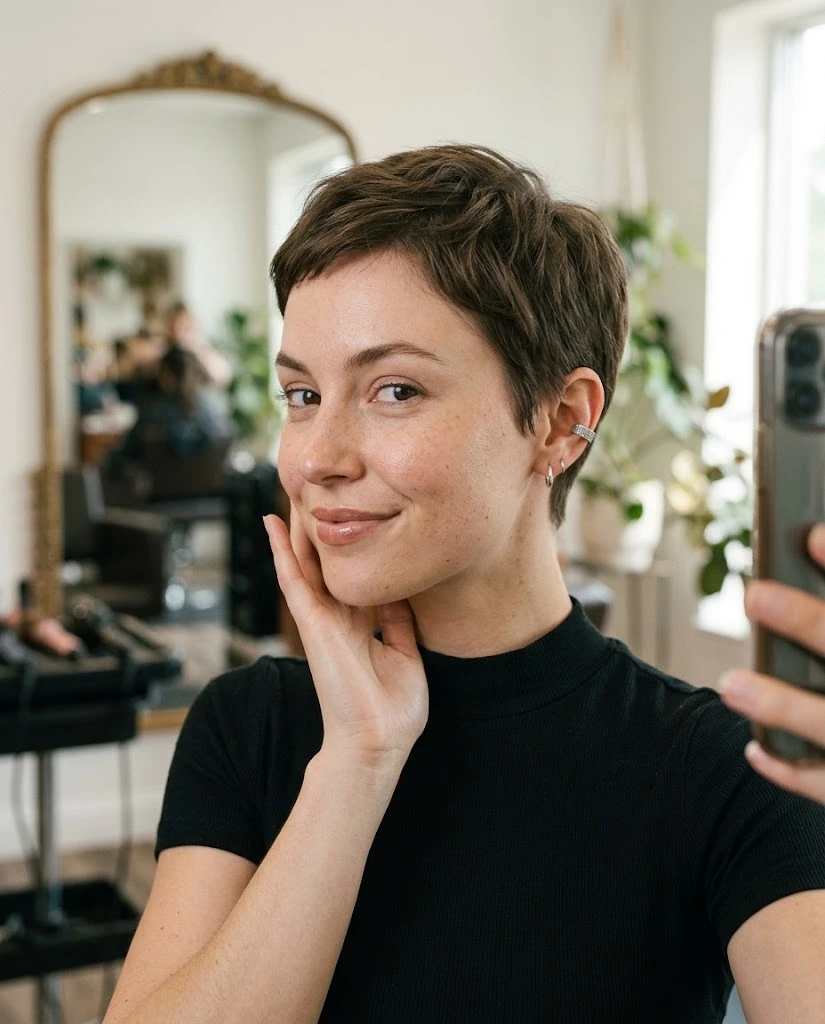
This is a good option if you prefer a shorter cut that works with natural texture instead of depending on a perfectly smooth blow-dry. Ask your stylist how the shape will behave when you let it dry naturally, especially if your hair has cowlicks or different growth directions. A small amount of matte styling cream can separate the ends and add definition. If you want to preserve the compact shape, plan for maintenance trims as it grows.
10. The Long-Line Cut with a Soft Centre Opening
This haircut keeps the overall length long while creating a subtle opening around the face through carefully positioned front sections. Instead of obvious, short face-framing layers, the front lengths separate gently from the centre and blend into the rest of the hair. This provides a little movement near the cheekbones without sacrificing the continuous outline that many long-haired people prefer.

It is a particularly useful option if you frequently wear your hair loose but occasionally want to tie it back. Ask for the shortest pieces to be long enough to blend comfortably with your preferred hairstyles. A centre part makes the opening more visible, while a slight shift in the parting creates a softer, asymmetrical effect. You can leave the hair natural or use a round brush to direct the front sections away from the face.
11. The Textured Square Crop
A textured square crop combines a relatively geometric outline with small variations through the top. The sides and back maintain a defined shape, while the upper sections are softened to prevent the haircut from looking too rigid. This contrast creates an appealing balance between structure and movement, making the cut suitable for people who like contemporary styling without an excessively dramatic silhouette.
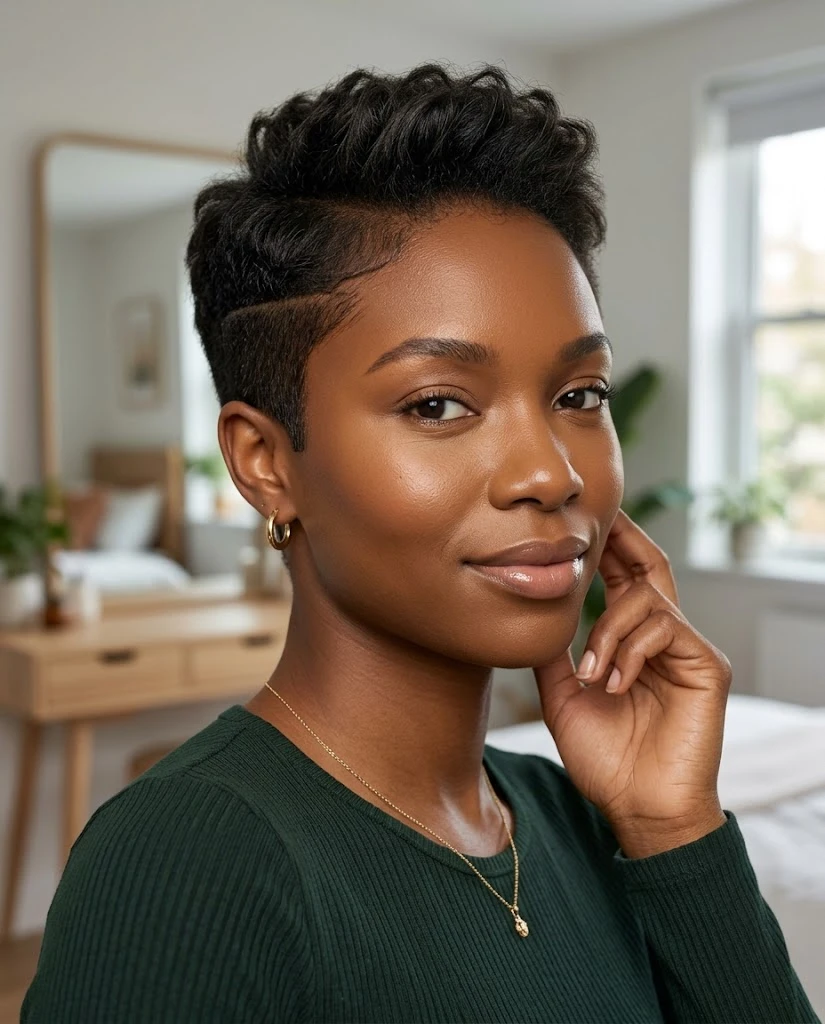
The stylist should adapt the square outline to your natural hair density. Thick hair may need selective removal inside the shape, whereas fine hair can benefit from keeping the perimeter strong. If your hair is naturally wavy, the texture can provide enough movement without requiring much heat. Use a light styling paste to separate a few sections rather than coating the entire haircut. The aim is to preserve the outline while allowing the top to look touchable.
12. The Rounded Afro with a Soft Taper
A rounded afro with a soft taper celebrates natural hair by creating a balanced silhouette with a gently refined outline around the sides and nape. The crown retains its natural volume, while the shape is adjusted to follow the person’s curl pattern and preferred proportions. It can look striking with casual outfits or more tailored winter clothing because the haircut itself provides structure and personality.
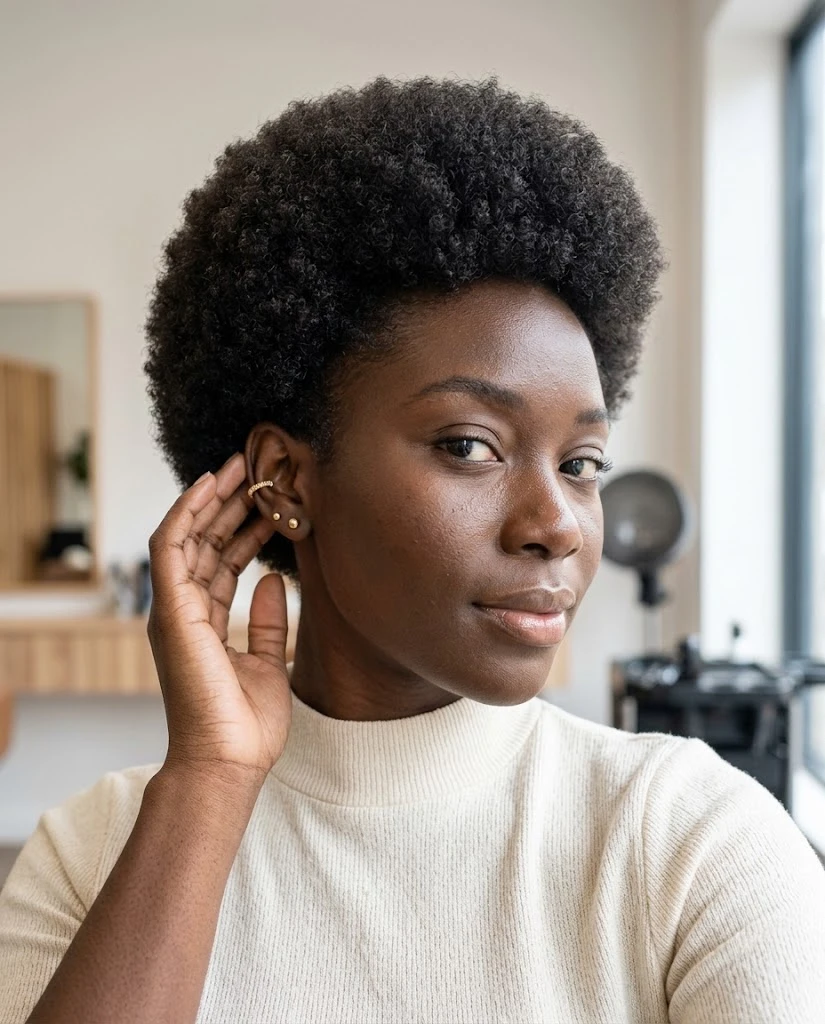
The most successful version is designed around the hair’s natural shrinkage, density, and curl behaviour. Ask your stylist how the outline will appear when the hair is fully dry, and discuss whether you prefer a compact or fuller shape. Gentle detangling, regular conditioning, and a suitable moisturising product can help maintain softness. You can also experiment with headbands or small accessories without changing the haircut’s defining silhouette.
13. The Curly Temple-Taper Cut
The curly temple-taper cut keeps the area around the temples and nape neatly shaped while allowing curls to remain fuller through the top. Its appeal comes from the contrast between the clean edges and the softer curl pattern above. It provides definition without requiring every curl to be uniform, making it a practical option for people who want their natural texture to remain the main feature.

Ask your stylist to customise the taper rather than making it excessively short by default. The transition should work with your hairline and the amount of contrast you feel comfortable wearing. A curl-enhancing cream can support definition, while a gentle drying technique helps the curls retain their shape. This cut may need periodic edge maintenance, but daily styling can remain simple when the natural curl pattern is healthy and well moisturised.
14. The Long Blended Cut for Thick Hair
Thick hair can become difficult to manage when the ends form a dense, heavy mass. A long blended cut distributes the weight more thoughtfully, allowing the lengths to fall with greater ease while preserving a substantial overall appearance. The layers are integrated into the haircut rather than displayed as obvious steps, so the result feels refined and natural instead of heavily sculpted.
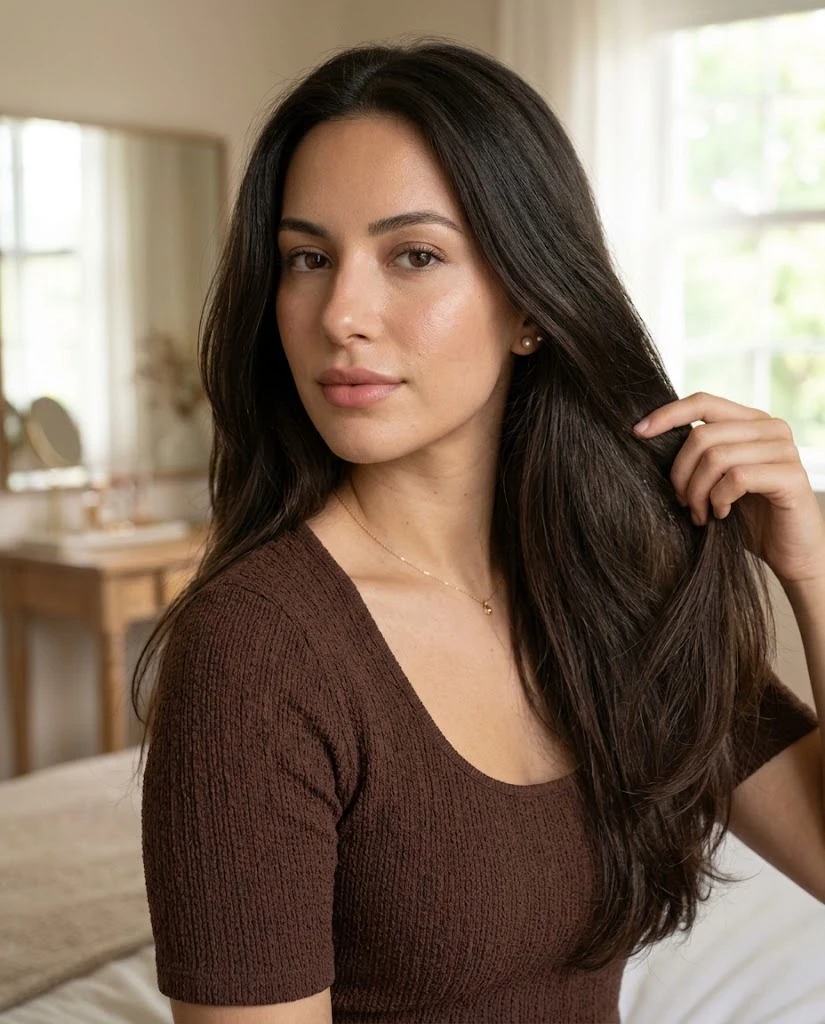
During your consultation, explain where your hair feels most bulky, whether around the sides, behind the ears, or through the lower lengths. This helps your stylist remove weight where it is genuinely needed. The cut should still preserve enough density for braids and ponytails to look full. A leave-in conditioner can improve manageability, and a simple blow-dry using a large brush can show the shape without making it excessively sleek.
15. The Short Cut with a Rounded Sideburn Detail
A short cut with rounded sideburn detailing pays attention to the small areas that often determine whether a haircut looks personalised. Rather than leaving the hair around the ears in a generic straight line, the stylist shapes the sideburn area to follow the natural contour of the face. Combined with a neat crown and softly blended sides, this detail can make a simple short haircut feel much more considered.
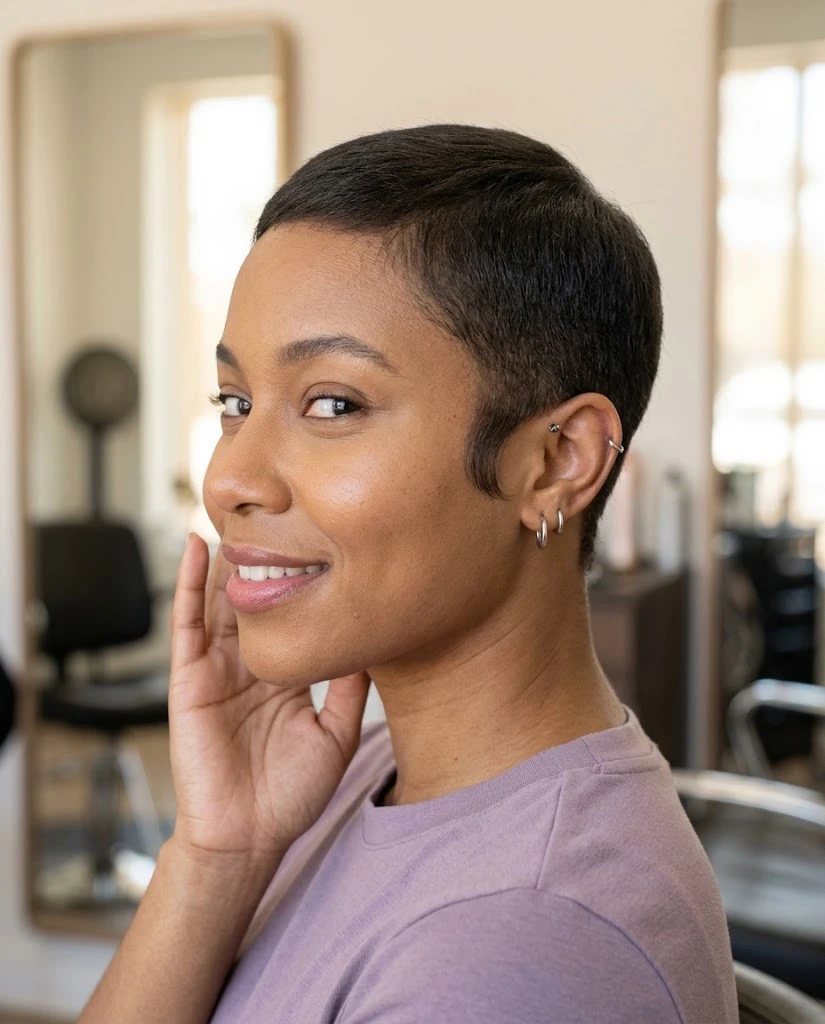
The finish can be subtle or more defined, depending on your preference and natural hairline. Ask your stylist to consider how the area will look when your hair is tucked behind your ears or styled forward. Avoid requesting an extremely sharp edge if you prefer a softer appearance. A little styling cream can control the upper sections, while the carefully shaped side detail helps the haircut retain its identity even on low-effort days.
16. The Collar-Length Cut with a Tucked-Behind-Ear Shape
This collar-length cut is designed to sit comfortably around the base of the neck, with the sides shaped so they can be tucked behind the ears without creating awkward gaps. The length offers a nice balance between short and medium hair, while the controlled outline keeps the style from feeling bulky around scarves and high-neck winter clothing. It is simple, wearable, and easy to adapt to different outfits.

The most important detail is how the hair behaves when tucked away. Ask your stylist to check whether the front sections remain balanced and whether the back maintains its shape once the sides are moved. Fine hair may benefit from a clean outline, while thicker hair might need subtle internal shaping. This cut can be air-dried, softly blow-dried, or worn with a slight bend through the ends, depending on your natural texture.
17. The Defined Coil Shape with a Lifted Crown
A defined coil shape with a lifted crown is designed to give tightly coiled hair a clear outline while preserving height and natural texture. The crown is shaped to maintain a sense of lift, while the sides are balanced so the silhouette feels intentional rather than uneven. This haircut celebrates the natural structure of coils and can be adapted to both compact and fuller proportions.

Because tightly coiled hair can shrink considerably, the stylist should work with your natural texture and understand how much length disappears when it dries. Discuss the crown height you prefer and whether you want a rounded or slightly angular outline. Gentle sectioning, moisturising products, and careful handling can support definition between appointments. The haircut should complement your natural coil pattern instead of requiring constant stretching or heat to maintain its intended shape.
18. The Grown-Out Short Cut with a Soft Neckline
If you enjoy short hair but are trying to grow it into a longer shape, a grown-out short cut can make the transition look deliberate. The top and sides retain enough length to move, while the neckline is softly cleaned up to prevent the back from becoming untidy. Rather than cutting everything back to the original short length, the stylist refines the proportions while allowing the hair to grow.

This approach is useful when you want to preserve progress without feeling stuck with an awkward in-between stage. Ask for only the adjustments needed to improve the outline, and explain your longer-term length goal before the appointment. Styling can be as simple as directing the front to one side or allowing the top to fall naturally. Occasional shaping appointments help the cut evolve into a longer style without removing more length than necessary.
19. The Natural Wave Cut with a Balanced Side Profile
A natural wave cut works with the way your hair bends instead of forcing every section into a uniform pattern. The stylist shapes the sides and back to balance the profile, while preserving enough length for waves to form comfortably. The result can feel relaxed and textured without becoming overly shaggy or relying on lots of separate layers.

This is a useful choice if your hair looks different from one side to the other because of natural growth patterns. Ask your stylist to observe your waves in their usual state and identify where additional weight or shaping would improve the balance. A lightweight leave-in product can help control frizz without flattening the texture. Allowing the hair to dry naturally often reveals the haircut’s true shape better than an overly polished blow-dry.
20. The Precision Long Bob with a Soft Back Curve
A precision long bob with a soft back curve provides a structured alternative to heavily layered medium-length hair. The overall length remains around the shoulders or collarbone, while the back is shaped to sit neatly against the head and neck. The sides retain enough length to create a smooth outline, giving the haircut a finished appearance without depending on curls, highlights, or complicated styling.

This cut is particularly appealing if you enjoy a neat look that can transition easily between everyday activities and special occasions. Ask your stylist how the back will sit when your hair dries naturally, because cowlicks and growth direction can affect the outline. A paddle brush and gentle blow-dry can keep the shape smooth, while a slight bend at the ends makes it feel softer. Regular trims help preserve the precise perimeter as the hair grows.
How to Choose a Haircut You Can Maintain
Before choosing a seasonal haircut, consider your hair’s natural texture, density, growth pattern, and the amount of time you want to spend styling it. A short, sculpted shape may need more frequent trims, while a longer cut can offer extra flexibility for ponytails and braids. Think about how your hair behaves after washing, whether you use heat tools regularly, and how much maintenance realistically fits into your routine.
Bring a few reference photographs to your salon appointment, ideally showing the haircut from the front, side, and back. Explain which details you like and which features you would prefer to avoid. A skilled stylist can adapt the silhouette to your hair rather than copying a photograph exactly. Discuss upkeep before the cut begins, and choose a shape that remains attractive as it grows instead of one that looks good only immediately after leaving the salon. For styling ideas once you have your cut, try our easy everyday fall hairstyles.
Final Thoughts
The right fall or winter haircut should feel like a natural extension of your personal style. Whether you prefer a compact crop, a beautifully shaped natural-texture cut, or long hair with a carefully refined outline, the best result comes from choosing a shape that suits your hair and your everyday routine.
Save the ideas that appeal to you, discuss their practical details with your stylist, and do not be afraid to customise the final shape. A thoughtful haircut can refresh your appearance without requiring a dramatic transformation, helping you feel polished, comfortable, and confident throughout the season. For more cut ideas, explore our fall haircuts for women and fall medium haircuts, or browse the full fall hairstyles roundup. For more trending cuts, see our fall wolf haircuts and fall bob haircuts. For more winter cuts, see our winter layered bob haircuts and winter hair refresh for women over 50.